Choosing a cat flap is not just about convenience. It directly impacts your home’s security, insulation performance, and long-term usability. Many homeowners underestimate how different types of cat flaps behave once installed, especially in glass doors or modern uPVC systems.
A poor choice often leads to drafts, unwanted animal entry, or costly replacements. A well-informed choice ensures controlled access, energy efficiency, and a smooth experience for both you and your pet.
This guide breaks down each option with practical insight so you can choose a cat flap that actually works in real-life conditions.
Understanding the Different Types of Cat Flaps
Manual Cat Flaps
Manual cat flaps are the most basic solution, designed for unrestricted access. They operate using a simple push-through mechanism without any entry control.
In theory, they are convenient. In practice, they are only suitable for controlled environments. Because they offer no restriction, they allow other animals, wind pressure, and even debris to pass through. Over time, this affects both hygiene and indoor temperature stability.
From an insulation standpoint, manual flaps are the weakest option. They typically lack sealing layers, which means heat loss becomes noticeable during colder months.
Magnetic Cat Flaps
Magnetic cat flaps attempt to solve the access problem by introducing a collar-based entry system.
While they do reduce random access, they are not fully selective. Magnetic signals are not unique identifiers, which means other animals with similar tags can still enter. Additionally, reliance on a collar introduces long-term inconvenience. If the collar is removed or lost, the system stops functioning as intended.
They are often chosen as a mid-range solution but rarely provide long-term reliability in high-traffic environments.
Infrared Cat Flaps
Infrared systems offer improved recognition by using a coded signal instead of a basic magnet.
This creates a more refined access control system and reduces the likelihood of unauthorised entry. However, they still depend on external devices such as collars, which introduce maintenance concerns over time. In real-world usage, infrared flaps perform better than magnetic ones but still fall short of fully integrated solutions.
Microchip Cat Flaps
Microchip cat flaps are the most advanced and reliable option available today. They use your pet’s implanted microchip as a unique identifier, allowing only registered animals to enter.
This removes the need for collars and significantly improves both convenience and security. In addition, many models include programmable controls such as timed access, selective entry, and multi-pet recognition. From an installation and performance perspective, microchip systems are the most future-proof choice, especially in areas where security and environmental control matter.
Which Cat Flap Suits Your Situation
- Manual flaps are suitable only for enclosed or low-risk environments where control is not a concern
- Magnetic and infrared flaps offer moderate control but still rely on external devices
- Microchip cat flaps provide the highest level of security, convenience, and long-term reliability
Request Your Free Quote Today
If you need a professional cat flap installer for glass, doors or panels, we are ready to help. We provide dependable pet flap installation with quality workmanship and friendly local service.
Call Now For A Free QuoteDoor and Glass Compatibility Explained
Glass Doors and Double Glazing
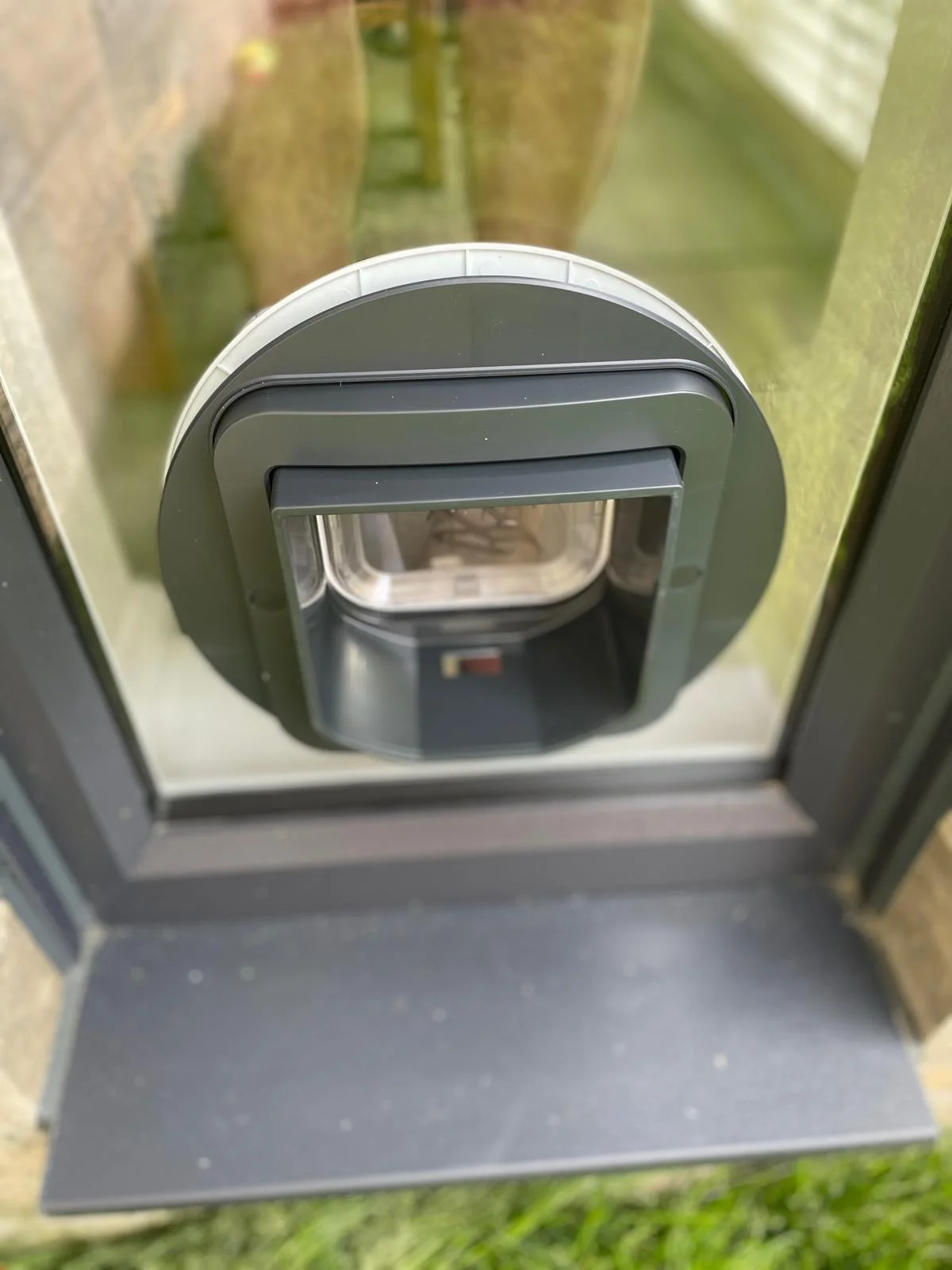
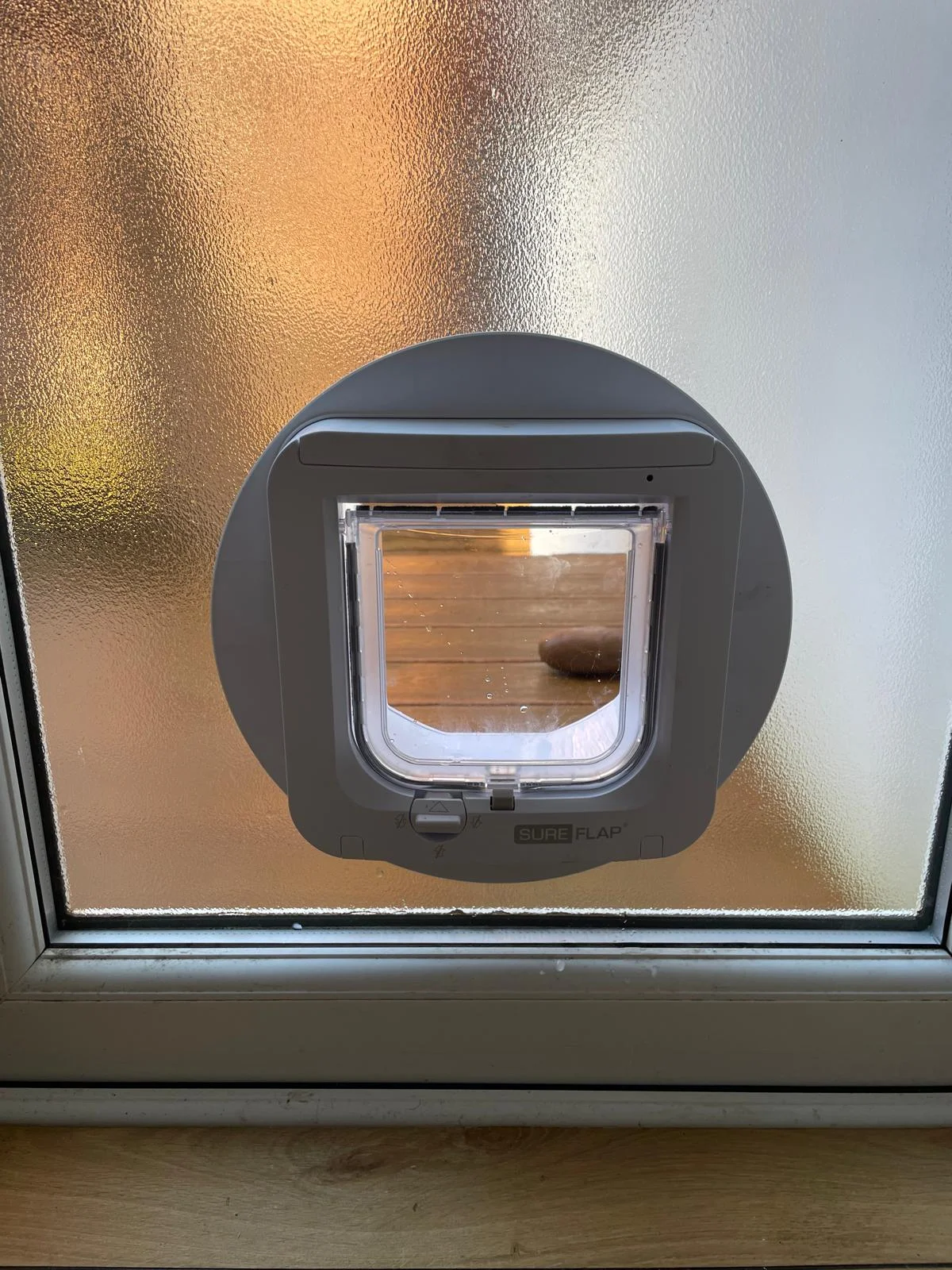
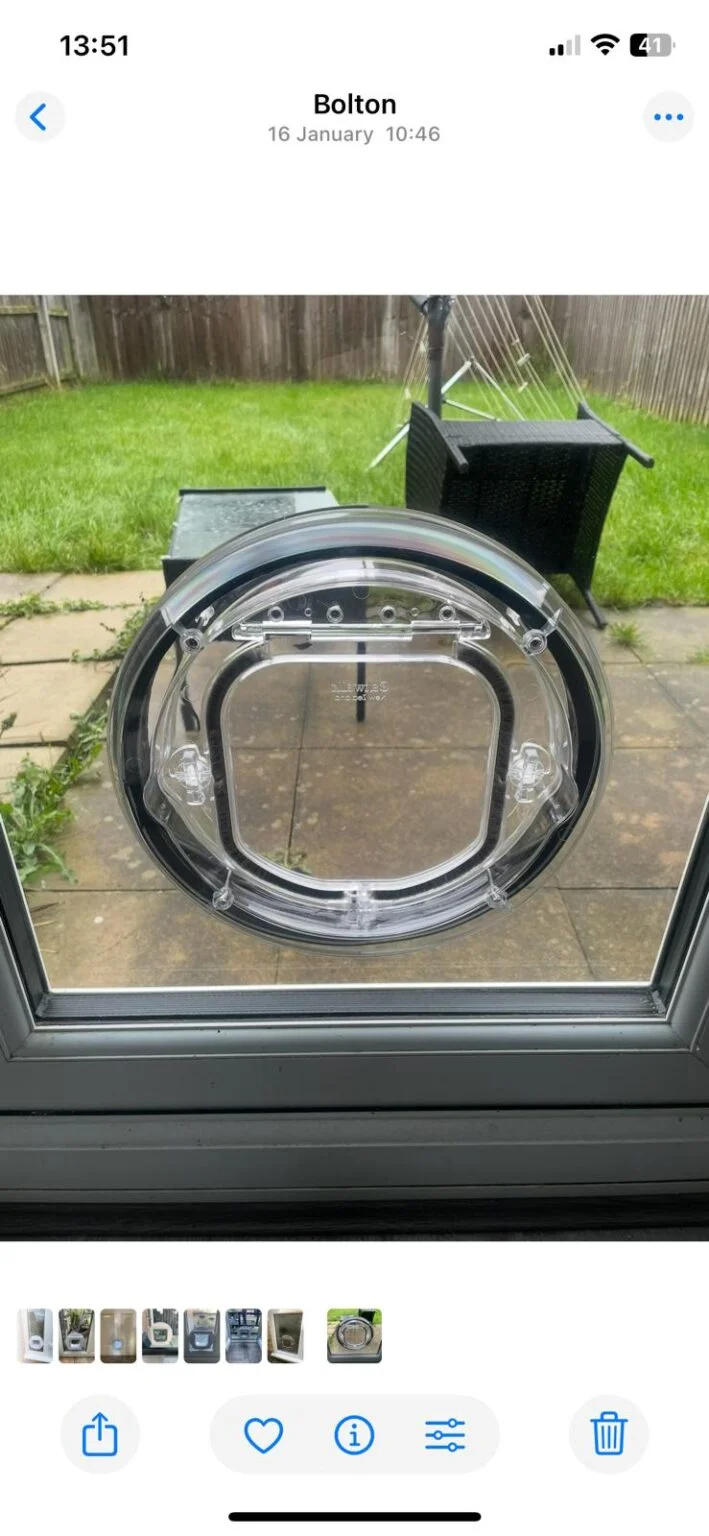
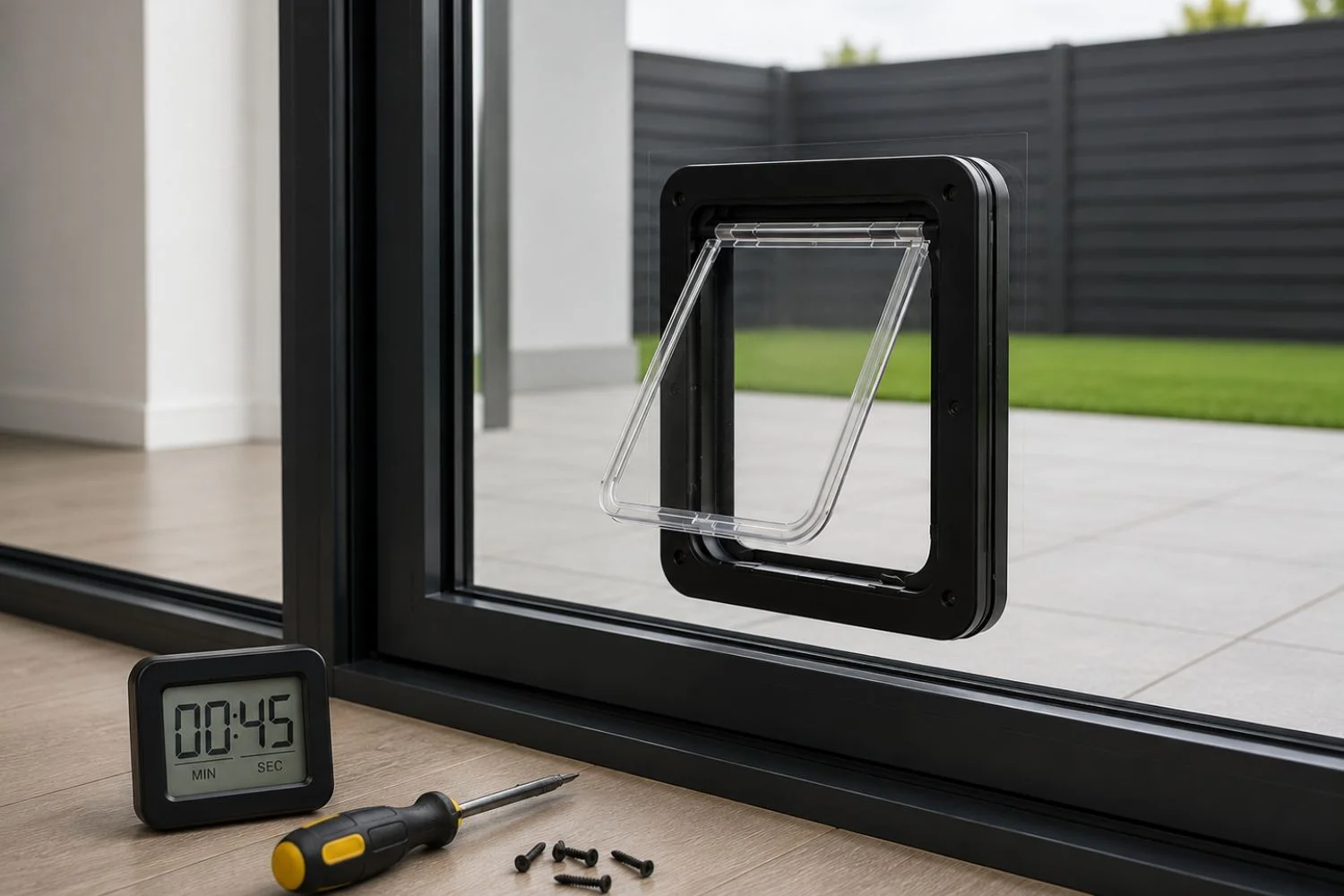
Glass installation is where most homeowners make critical mistakes. Double-glazed units are sealed systems designed to maintain insulation. Cutting into them breaks that seal and compromises performance.
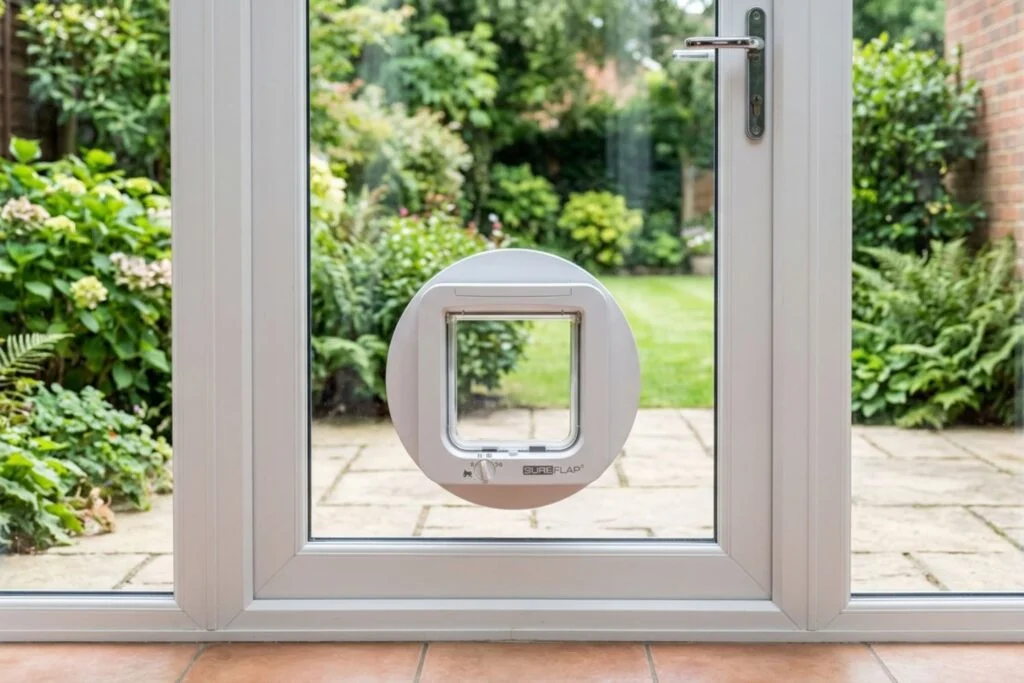
The correct method involves replacing the glass panel with a factory-prepared unit that includes a precision-cut opening. This ensures insulation remains intact while allowing secure installation of the cat flap. Without this approach, issues such as condensation, reduced thermal efficiency, and structural weakness can develop over time.
Wooden Doors
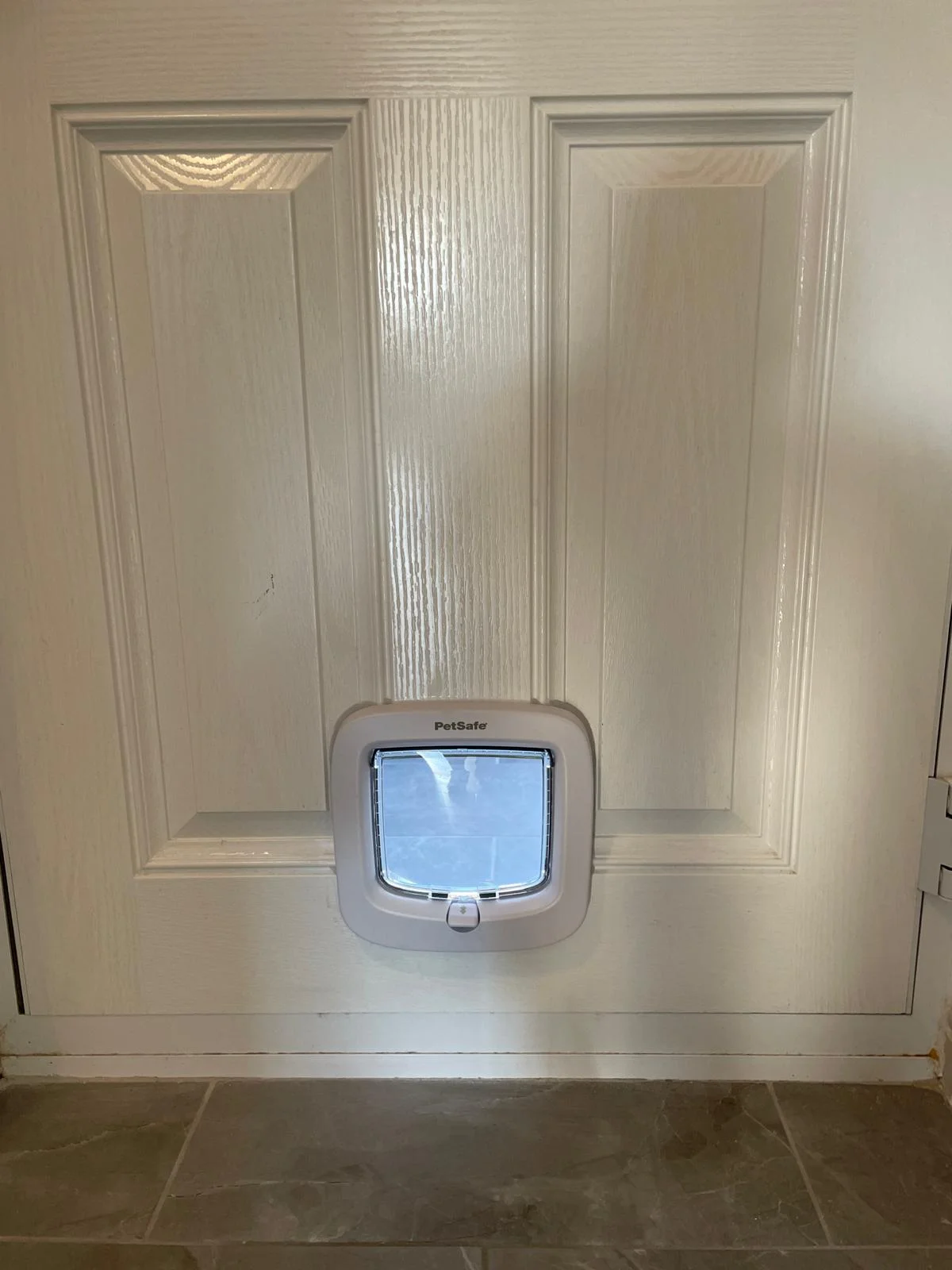
Wooden doors are the most straightforward option for installation. They allow flexibility in placement and are generally cost-effective.
However, precision still matters. Poor alignment can create gaps that reduce insulation efficiency. Over time, repeated use can also affect the structural integrity if the flap is not installed correctly.
uPVC Doors
uPVC doors often contain reinforced sections, which means not every panel can be cut safely.
In many cases, professional cat flap installers replace a section of the panel rather than cutting into it directly. This preserves the strength of the door while ensuring a clean and secure fit.
Features That Define Long-Term Performance
- An entry control system that prevents unauthorised access
- Multi-layer sealing to reduce drafts and maintain indoor temperature
- Durable construction materials designed for external exposure
- Flexible locking options for controlled entry and exit
- Proper sizing that supports natural movement and reduces wear
Installation Mistakes That Cost You Later
Incorrect installation is one of the main reasons cat flaps fail over time.
Homeowners often assume that installation is a simple cut-and-fit process, but this is rarely true for glass or modern door systems. Poor sealing leads to drafts, incorrect positioning affects usability, and improper fitting can reduce the lifespan of both the flap and the door.
Glass installations are especially sensitive. Attempting to modify existing units instead of replacing them leads to long-term insulation failure and costly repairs.
Installer Insight: What Actually Works
From a professional perspective, the difference between a temporary solution and a long-term installation comes down to precision and planning. One of the most overlooked factors is positioning. A cat flap installed at the wrong height forces unnatural movement, which can discourage use and increase wear on hinges and seals. Correct alignment ensures smoother operation and extends the lifespan of the unit.
Another key factor is sealing. High-quality installation includes proper insulation around the flap, preventing air leakage and maintaining internal temperature stability. This is particularly important for homes with double glazing or energy-efficient designs. These are not details typically covered in basic guides, but they are essential for achieving consistent performance over time.
Smart Buying Checklist
- Check compatibility with your door or glass structure before purchase
- Select a size that allows natural and comfortable movement for your pet
- Evaluate security needs based on your location and environment
- Prioritise insulation performance if energy efficiency matters
- Consider professional installation for complex surfaces like glass and uPVC
Final Thoughts
Choosing the right cat flap is a decision that affects far more than pet access. It influences your home’s security, energy efficiency, and long-term maintenance. Understanding how different types of cat flaps perform in real conditions, along with how they interact with materials like glass, wood, and uPVC, allows you to make a decision that is both practical and future-proof. When the right product is combined with proper installation, it creates a solution that works seamlessly for years without compromise.
FAQs
Which type of cat flap is best for double-glazed doors?
Microchip cat flaps are the most suitable, but they must be installed into a newly manufactured double-glazed panel with a pre-cut opening rather than cutting the existing glass.
What problems occur if a cat flap is installed incorrectly in glass?
Improper installation can break the sealed unit, leading to condensation between panes, heat loss, and reduced structural strength of the glass.
Do microchip cat flaps work with all cats?
They work with most cats that are already microchipped. The flap reads the unique ID and grants access only to registered pets.
How do I stop other animals from entering through a cat flap?
Using a microchip or advanced selective-entry system prevents unauthorised animals from gaining access.
Is there a difference between cat flap installation in uPVC and wood?
Yes, uPVC often contains reinforced sections that require careful handling, while wood is easier to modify but still requires precise fitting for proper sealing.
Request Your Free Quote Today
If you need a professional cat flap installer for glass, doors or panels, we are ready to help. We provide dependable pet flap installation with quality workmanship and friendly local service.
Call Now For A Free Quote