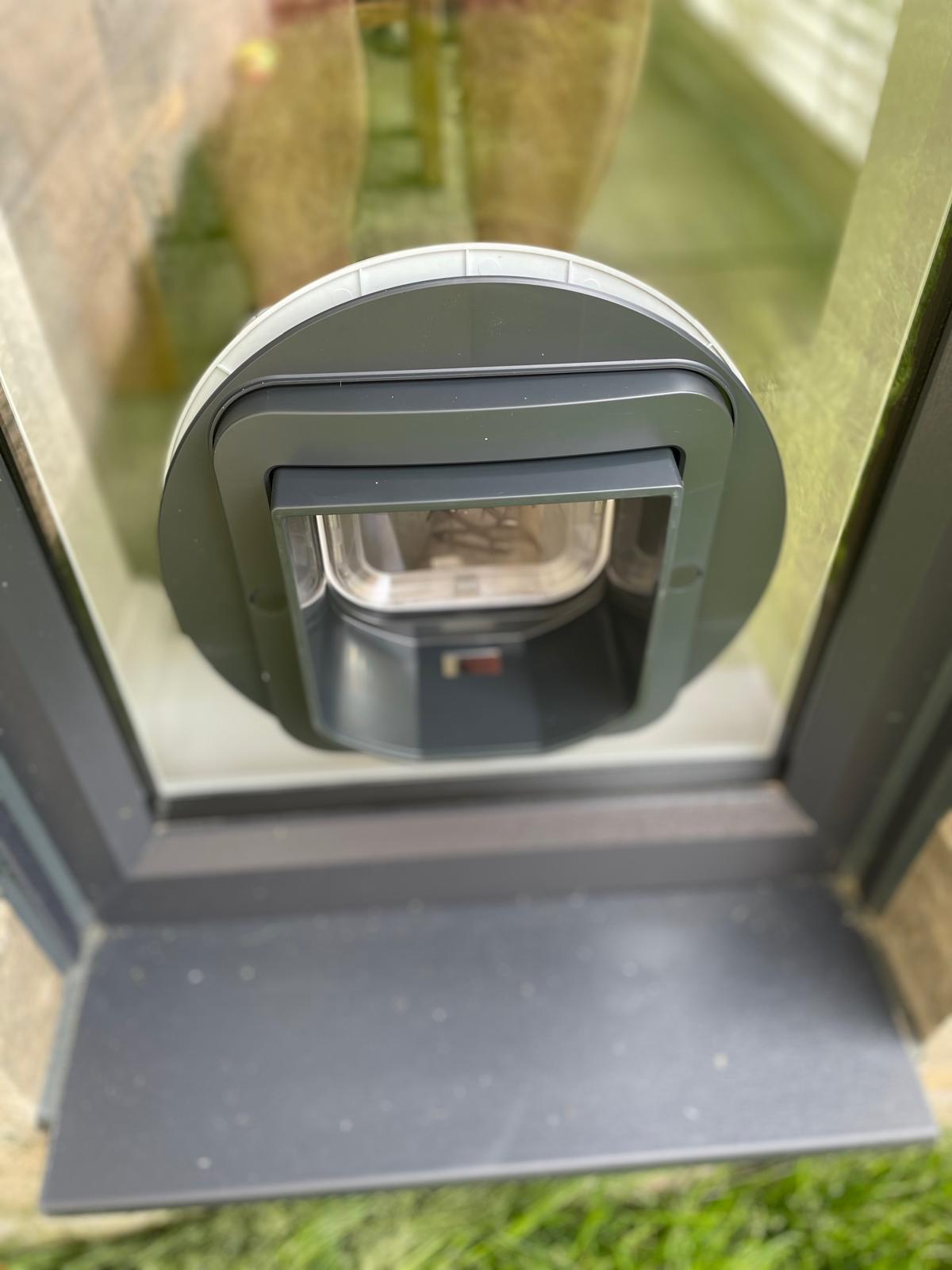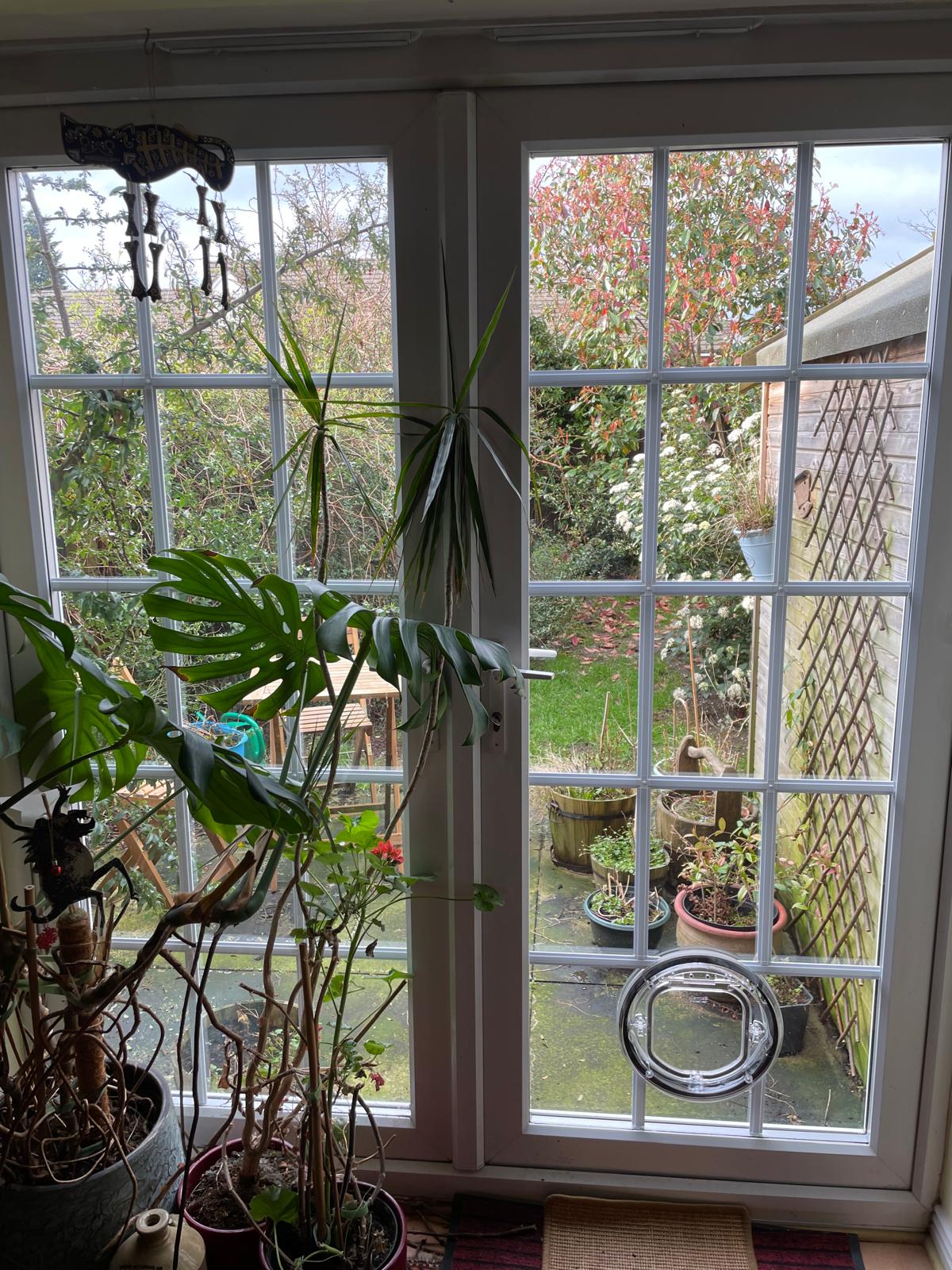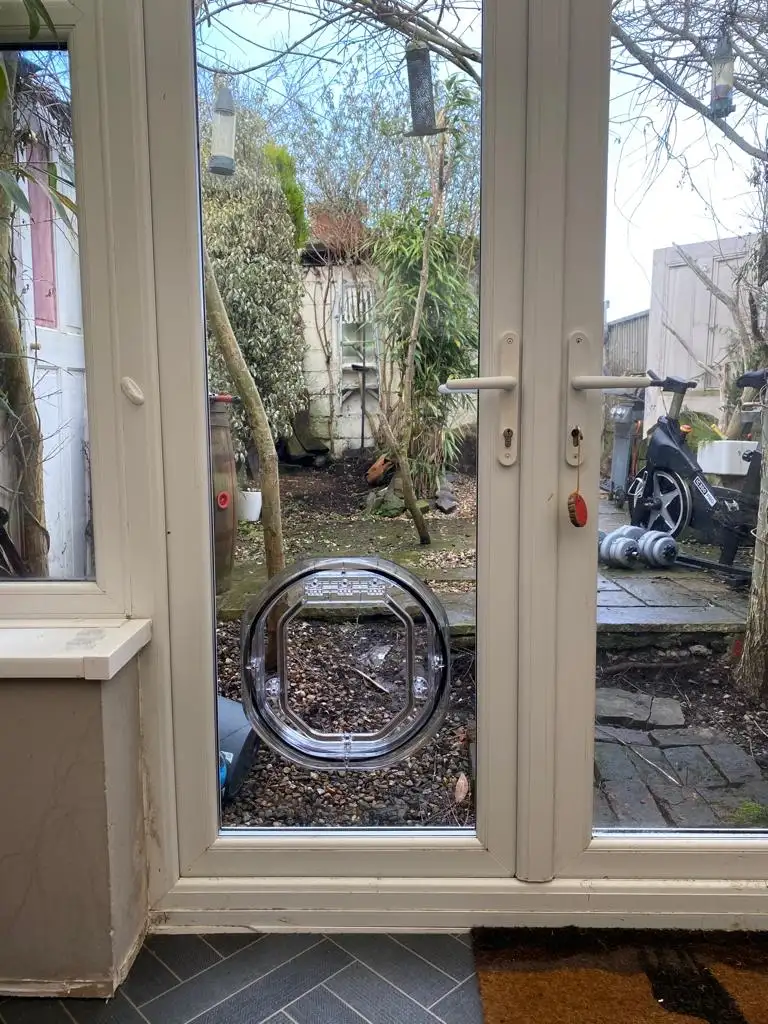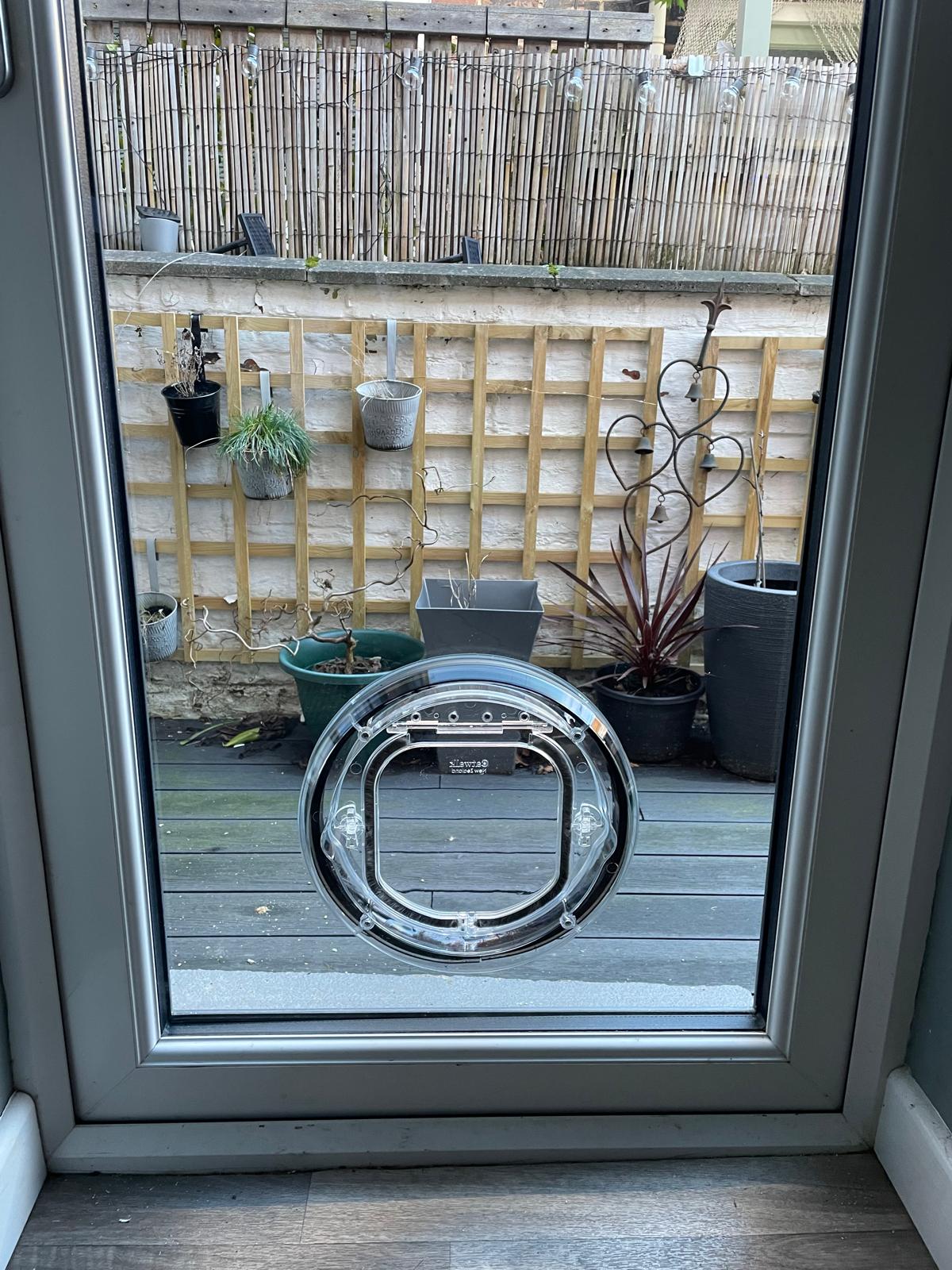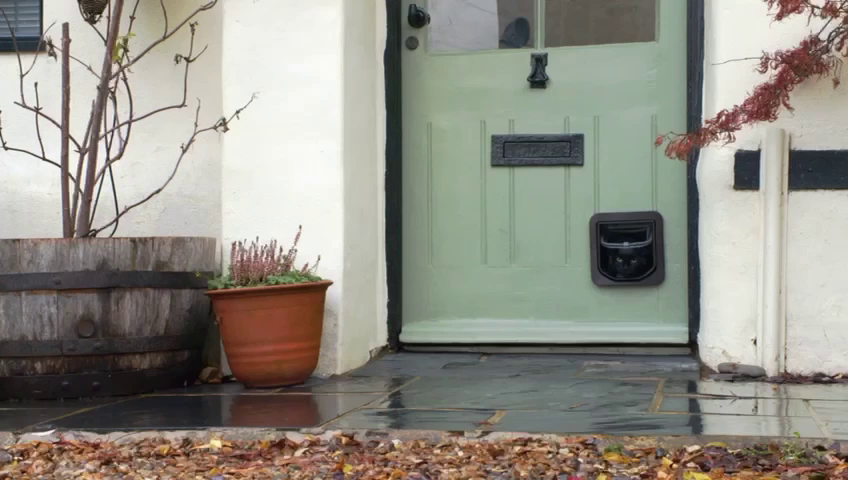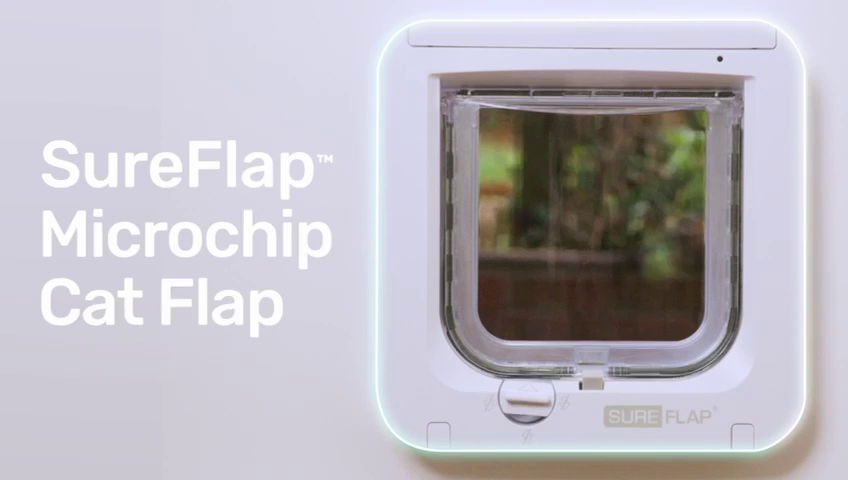
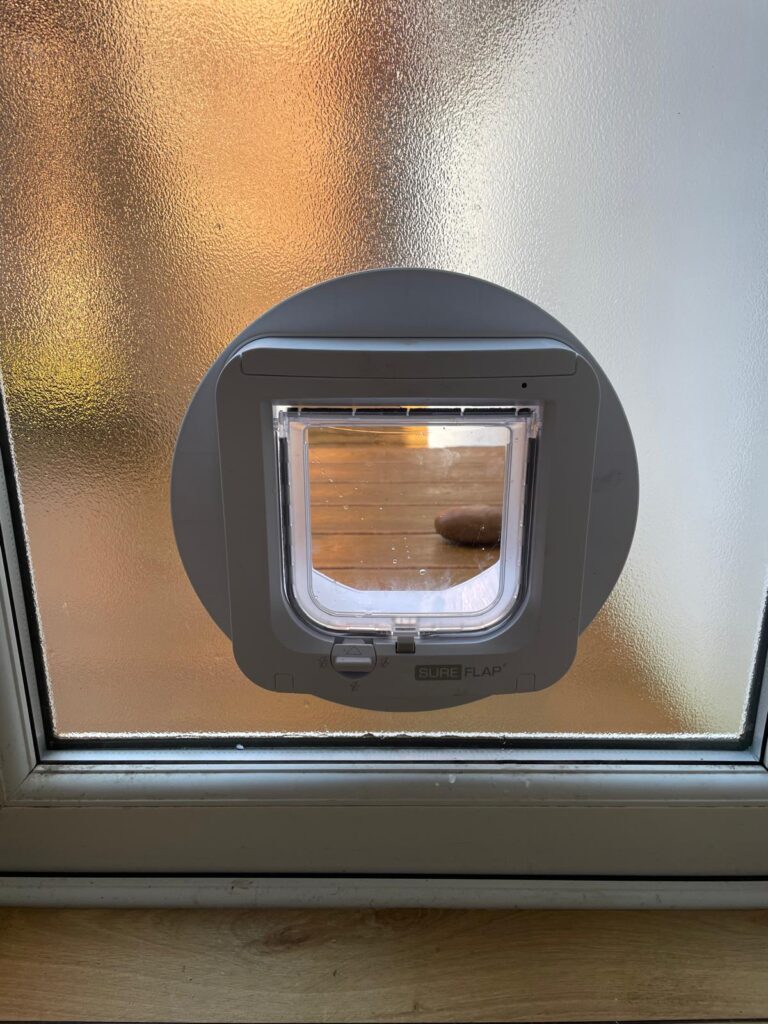
microchip cat flap installed in glass door
Modern microchip cat flaps have become the preferred choice for homeowners looking to improve both convenience and home security. Unlike traditional manual cat flaps, microchip models only unlock for registered pets, preventing neighbouring cats and unwanted animals from entering your home.
If you’re considering upgrading your existing flap or installing a new one, this guide explains everything you need to know before making your decision.
Table of Contents
- What Is a Microchip Cat Flap?
- How Microchip Technology Works
- Benefits of Microchip Cat Flaps
- Features to Look For
- Choosing the Right Installation Location
- Professional Installation vs DIY
- Final Thoughts
- FAQs
What Is a Microchip Cat Flap?
A microchip cat flap is an electronic pet door that recognises your cat’s unique identification microchip.
When your cat approaches, the flap automatically unlocks. Once your pet has passed through, it locks again to prevent access from other animals.
Most models can store multiple pet identities, making them ideal for households with more than one cat.
How Microchip Technology Works
Every microchipped pet has a unique identification number.
The cat flap scans this number whenever your pet approaches.
If the chip matches one stored in the system:
- The lock releases.
- Your cat enters safely.
- The flap locks automatically afterward.
No collar or tag is required.
Benefits of Microchip Cat Flaps
Better Home Security
Only authorised pets can enter.
Prevents Unwanted Visitors
Neighbourhood cats and wildlife cannot gain access.
Greater Convenience
No need to manually lock or unlock the flap throughout the day.
Works With Existing Pet Microchips
Most models are compatible with standard UK pet microchips.
Features to Look For
When choosing a microchip cat flap, consider the following features:
- Multiple pet memory
- Four-way locking system
- Weatherproof seals
- Battery life indicators
- Manual override options
- Quiet operation
Choosing a quality model helps improve reliability and long-term performance.
Choosing the Right Installation Location
Microchip cat flaps can be installed in several locations including:
- Double-glazed doors
- Glass panels
- uPVC doors
- Composite doors
- Wooden doors
The best location depends on your home’s layout and the type of door or glazing.
Professional installers can recommend the most suitable position for easy access while maintaining security and insulation.
Professional Installation vs DIY
Although many manufacturers sell DIY kits, professional installation provides several advantages.
Professionals ensure:
- Accurate positioning
- Secure fixing
- Proper sealing
- Smooth operation
- Long-lasting performance
This is especially important when installing into glass, composite doors, or insulated panels.
Final Thoughts
Microchip cat flaps offer an excellent combination of convenience, security, and modern technology. Whether you’re replacing an old flap or fitting one for the first time, choosing a high-quality model and having it professionally installed ensures reliable performance for years to come.
FAQs
Do microchip cat flaps work with all cats?
They work with cats that have a compatible identification microchip. Many models also support RFID collar tags if required.
Can they be fitted into glass?
Yes. A replacement double-glazed unit with a factory-cut opening is required for safe installation.
How many pets can they remember?
Many models store between 20 and 40 pets, depending on the manufacturer.
Are microchip cat flaps weatherproof?
Quality models include seals designed to reduce drafts and keep out rain and wind.