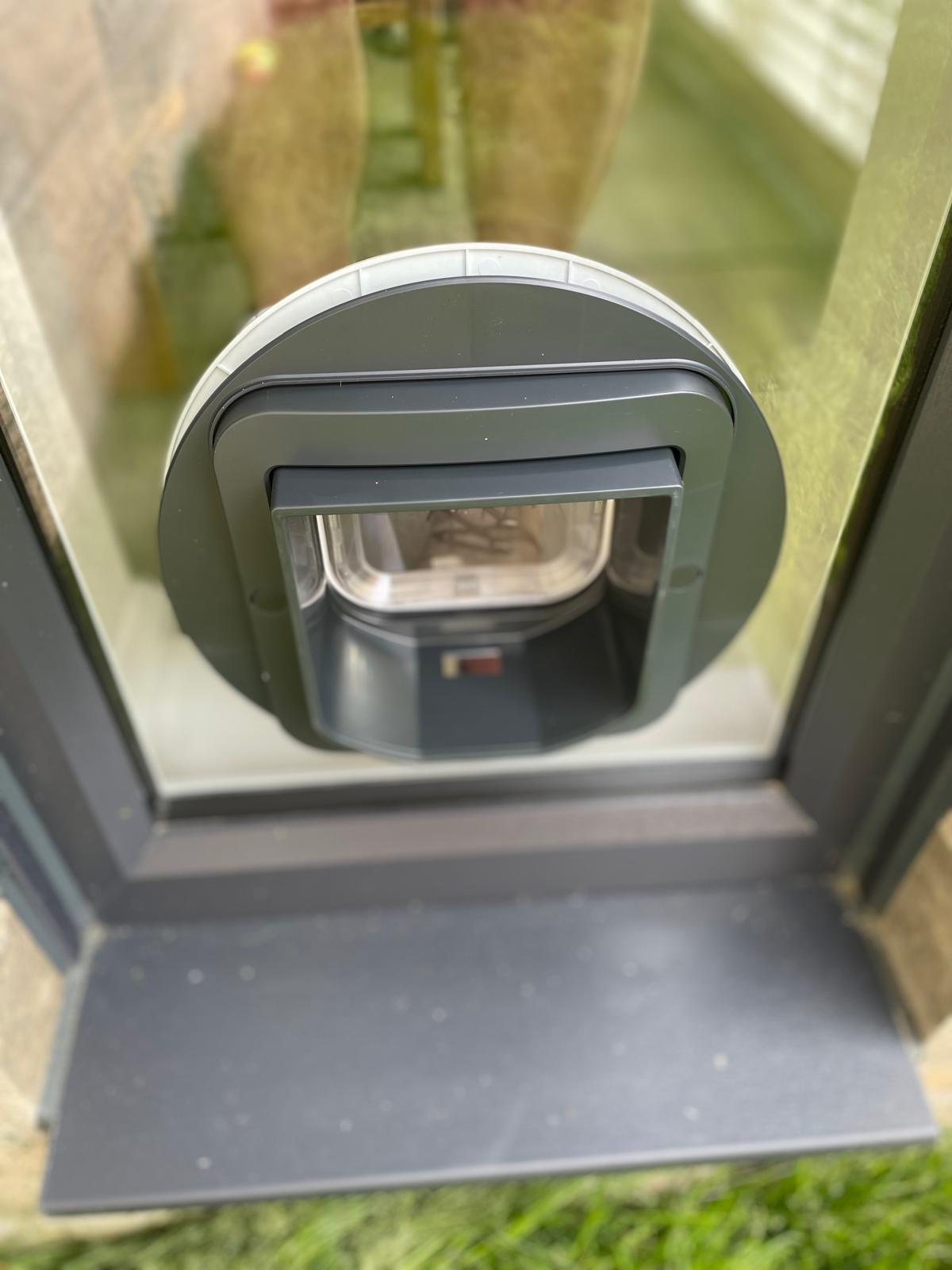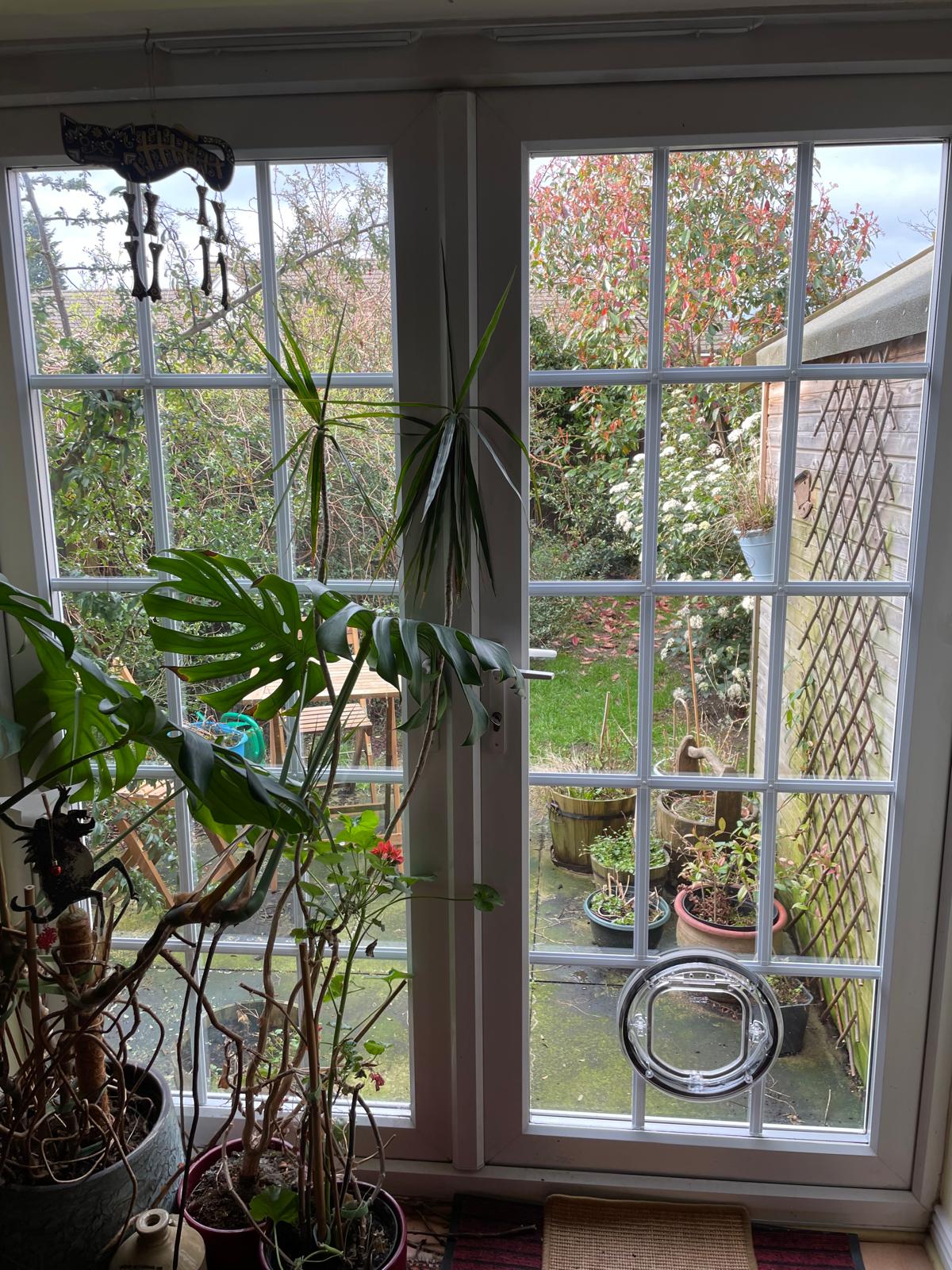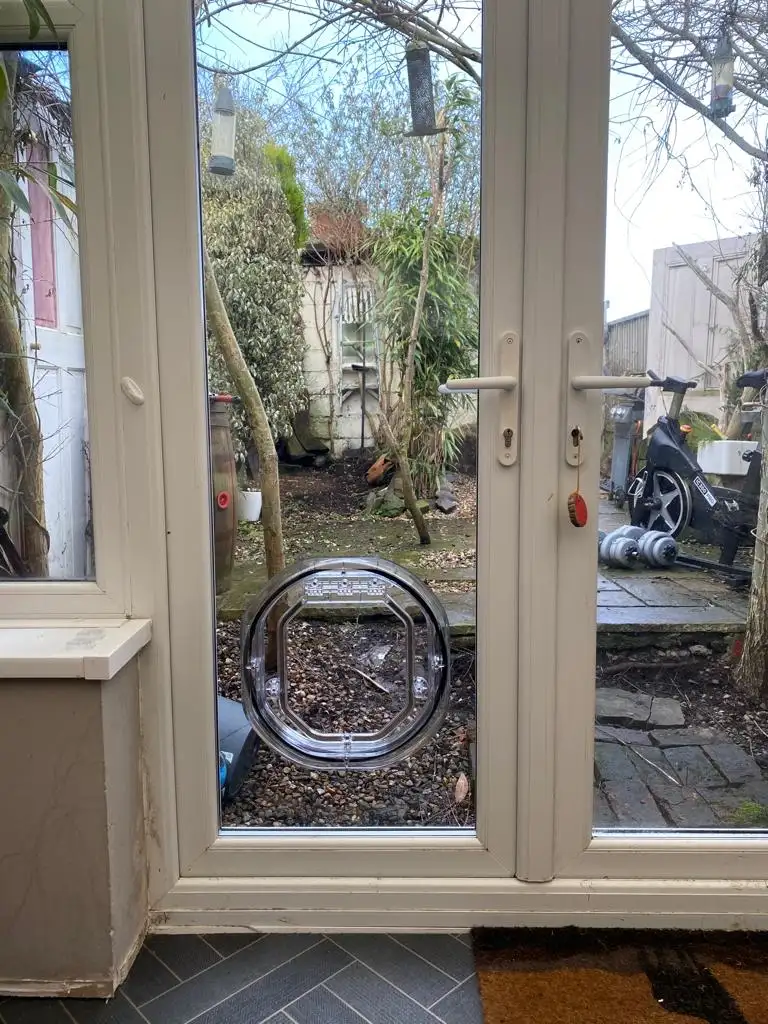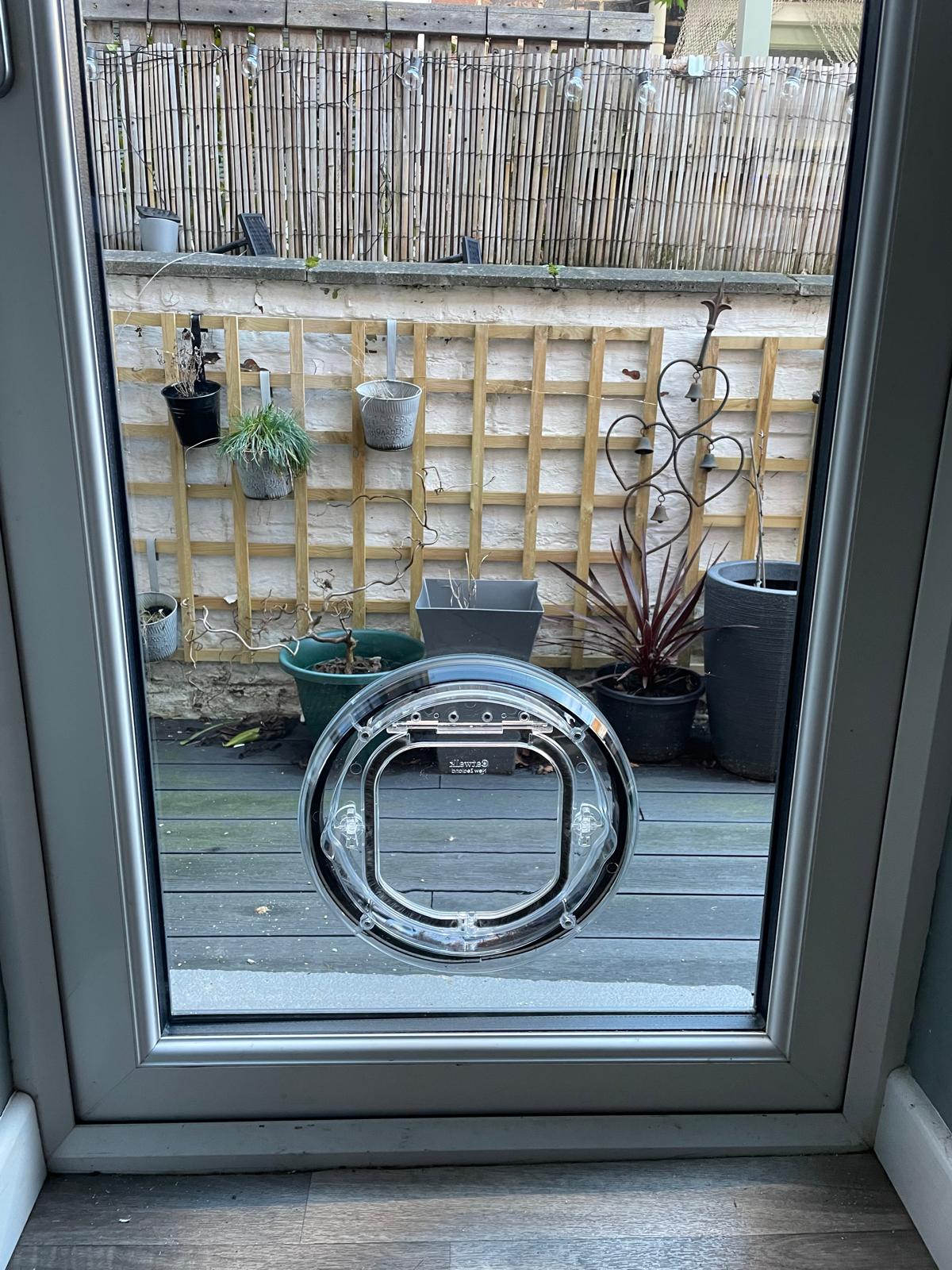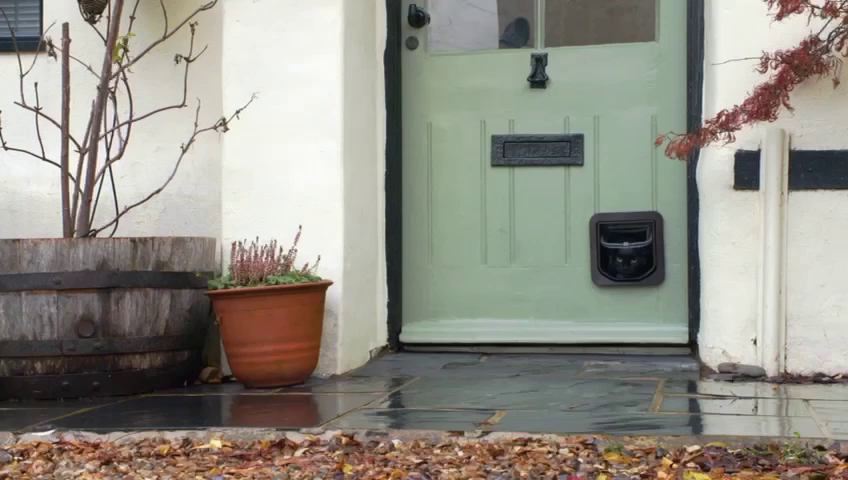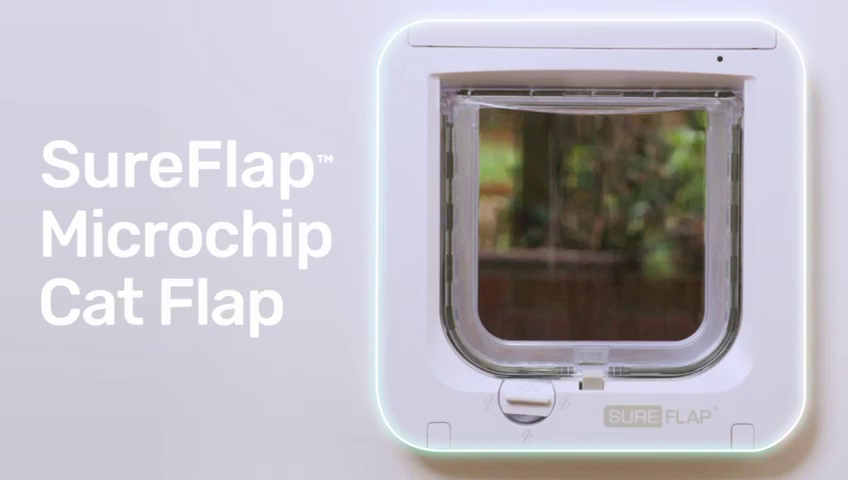

A cat flap gives your cat the freedom to go outside whenever they need to, but during the colder months, homeowners may start noticing cold air around the opening.
Winter can expose problems that are not always obvious during warmer weather. Damaged seals, an ageing flap, poor fitting or an unsuitable design can all contribute to unwanted draughts and heat loss.
The good news is that there are several ways to improve your cat flap installation and keep your home comfortable throughout the colder months.
Table of Contents
- Why Cat Flaps Can Cause Winter Draughts
- Signs Your Cat Flap Needs Attention
- Choosing a Weather-Resistant Cat Flap
- Checking the Cat Flap Seal
- Why Professional Installation Matters
- Cat Flaps in Double Glazing
- Should You Replace an Old Cat Flap?
- Winter Maintenance Tips
- Frequently Asked Questions
- Final Thoughts
Why Cat Flaps Can Cause Winter Draughts
A cat flap creates an opening through part of your property’s external structure.
When the flap is closed, it should provide a reasonable seal around the opening. However, the quality of that seal depends on the design and condition of the cat flap as well as the installation.
Cold air may enter when:
- The flap does not close properly
- The sealing strips have become damaged
- The frame has become loose
- The flap is old or worn
- The surrounding installation has gaps
- The cat flap is unsuitable for the door or panel
If you notice a noticeable cold draught around the flap, it is worth investigating rather than simply accepting it as normal.
Signs Your Cat Flap Needs Attention
You may need to inspect or replace your cat flap if you notice:
- Cold air around the frame
- The flap moving excessively in windy conditions
- A flap that does not close completely
- Damaged or worn seals
- Cracks or damage to the frame
- Difficulty opening or closing the flap
- Your cat struggling to use it
A small problem can become more noticeable during periods of cold or windy weather.
Choosing a Weather-Resistant Cat Flap
If you are replacing an older cat flap, consider the design carefully.
Look for features such as:
- A secure closing mechanism
- Suitable weather sealing
- A sturdy frame
- Strong construction
- A flap designed for outdoor exposure
- Appropriate locking options
The exact features you need will depend on your property, your cat and where the flap is being installed.
Checking the Cat Flap Seal
The seal around the cat flap is particularly important during winter.
Check whether the flap closes evenly and whether there are visible gaps around the frame.
If the flap has flexible sealing components, inspect them for signs of wear or damage.
It is also worth checking whether the frame itself has moved over time.
If the problem appears to be related to the installation rather than the flap itself, professional inspection may be worthwhile.
Why Professional Installation Matters
Correct installation can make a significant difference to the finished result.
The cat flap needs to fit securely within the chosen surface, with the surrounding area properly finished.
This is particularly important when installing a cat flap into glass.
With double glazing, the existing sealed glass unit generally cannot simply be cut to accommodate a cat flap. Instead, a new sealed unit can be manufactured with a precision-cut opening for the selected flap.
This allows the cat flap and glazing to be designed around each other rather than attempting to modify an existing sealed unit.
Cat Flaps in Double Glazing
Double-glazed doors and windows can provide an attractive location for a cat flap, but they require specialist consideration.
The installation may involve:
- Measuring the existing glass
- Selecting the appropriate cat flap
- Confirming the required opening and position
- Ordering a bespoke sealed glass unit
- Removing the existing unit
- Installing the new unit
- Fitting the cat flap
The finished installation should provide a clean appearance while allowing your cat convenient access.
Should You Replace an Old Cat Flap?
If your existing cat flap is several years old, replacement may be worth considering if it has developed problems.
A replacement can be particularly useful when:
- The flap no longer closes properly
- The frame is damaged
- Seals have deteriorated
- You want better access control
- You want a microchip-controlled model
- Your cat has grown and needs a larger opening
Replacing the flap can also be an opportunity to improve the overall installation.
Winter Maintenance Tips
You do not necessarily need to replace your cat flap every winter.
Instead, make regular checks part of your home maintenance routine.
Clean the Flap
Remove dirt and debris from the flap and frame so that it can close correctly.
Inspect the Seals
Look for cracks, gaps or other visible damage.
Check the Locking Mechanism
Make sure the locking settings operate correctly.
Look Around the Frame
Check for movement or visible gaps between the cat flap and the surrounding surface.
Monitor Draughts
If you notice a sudden increase in cold air around the flap, investigate the cause rather than assuming it is normal.
Frequently Asked Questions
Are cat flaps suitable for winter?
Yes. A properly selected and installed cat flap can be used throughout winter. Choosing a suitable design and maintaining the seals can help reduce draughts.
How can I stop cold air coming through my cat flap?
Check the flap, seals and surrounding installation. If the components are worn or the installation is damaged, replacement or professional repair may be appropriate.
Can a cat flap be installed in double glazing?
Yes. A new bespoke sealed glass unit can be manufactured with an opening for a suitable cat flap.
Should I replace my cat flap before winter?
Not necessarily. If your existing flap is working correctly and sealing properly, replacement may not be required. However, damaged or ageing cat flaps may benefit from an upgrade.
Final Thoughts
A cat flap should give your pet convenient outdoor access without unnecessarily compromising the comfort of your home.
If you notice draughts, damaged seals or an ageing flap, winter is a good reminder to check the installation.
For homeowners considering a new cat flap in glass, double glazing, uPVC or a door, professional advice can help ensure the flap is properly suited to the installation.