Choosing the right cat flap is important, but where the cat flap is installed can be just as important.
A cat flap needs to be positioned at a comfortable height for your cat while also working with the structure of your door, window, glass panel or uPVC installation.
The right position can make the flap easier for your cat to use and can also help create a cleaner, more practical installation.
If you are planning a cat flap installation in Cheshire or Greater Manchester, here are the main things to consider before deciding where it should go.
Table of Contents
- Why Cat Flap Position Matters
- How High Should a Cat Flap Be?
- Choosing the Best Position on a Door
- Cat Flaps in Glass Doors
- Cat Flaps in Windows
- Cat Flaps in uPVC Panels
- Avoiding Locks, Handles and Other Obstacles
- Indoor and Outdoor Considerations
- Professional Measuring and Installation
- Frequently Asked Questions
Why Cat Flap Position Matters
A cat flap should be easy for your cat to use.
If it is positioned too high, your cat may struggle to climb through. If it is too low, the installation may not be suitable for the particular door, panel or glazing arrangement.
Positioning can also affect the appearance and practicality of the installation.
Before cutting or ordering anything, it is important to consider both your cat’s measurements and the structure of the surface where the flap will be installed.
How High Should a Cat Flap Be?
There is no single height that is perfect for every cat.
The opening should generally be positioned so your cat can comfortably step through without having to stretch excessively or crouch.
Your cat’s size should therefore be considered before the final position is selected.
For larger cats, a larger cat flap may also be required.
Rather than choosing a position based purely on a standard measurement, it is better to consider the cat flap’s actual dimensions and your cat’s size together.
Choosing the Best Position on a Door
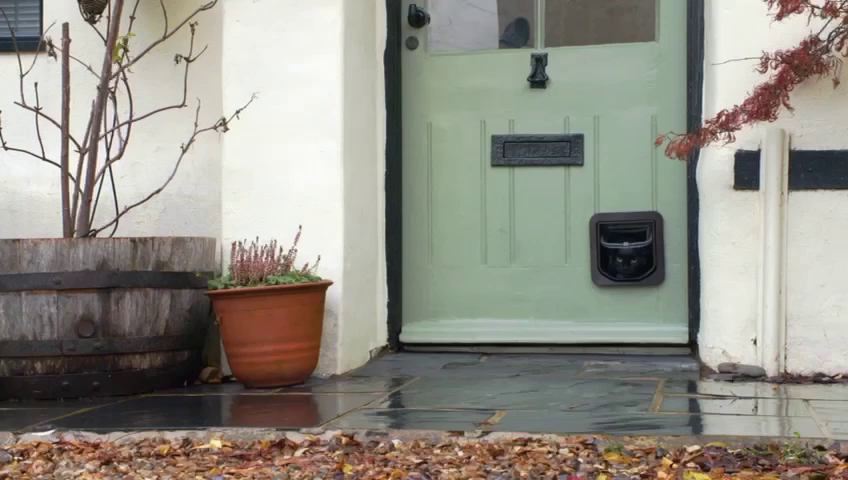
Doors are one of the most common locations for cat flaps.
When choosing the position, look at the entire door rather than only the available space.
Consider:
- Door construction
- Cat flap dimensions
- Door locks and handles
- Decorative panels
- Glazing
- Your cat’s height
- Available space around the opening
The installer should ensure the position works with the construction of the door and allows the cat flap to operate correctly.
Cat Flaps in Glass Doors
Glass doors require additional planning.
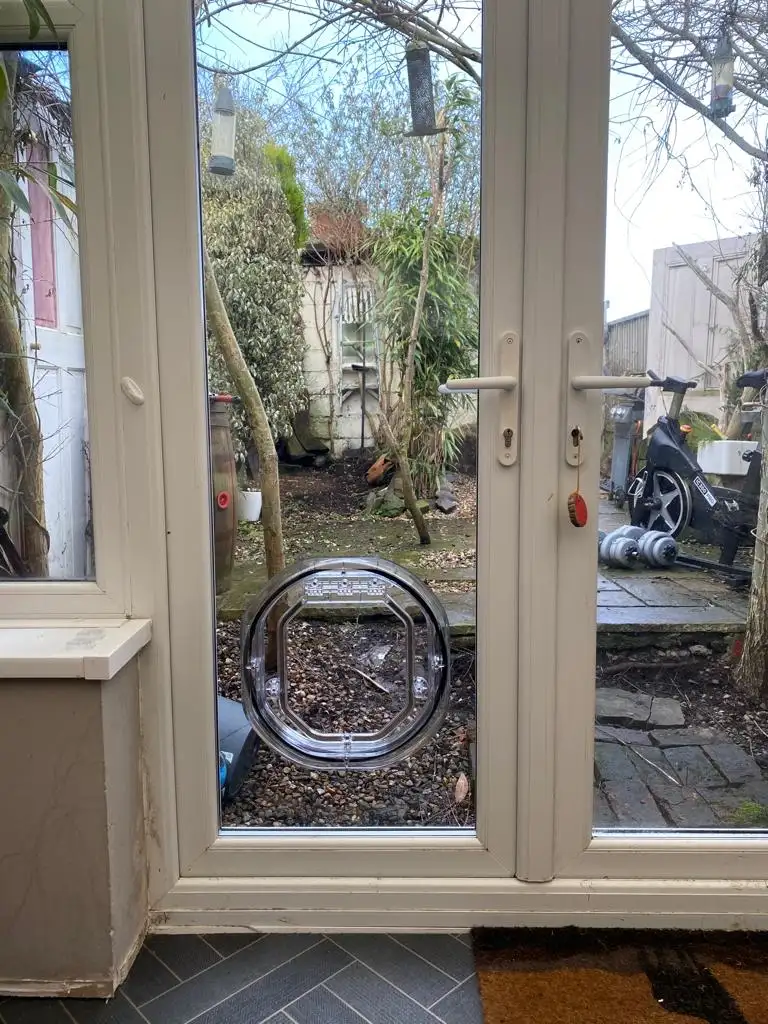
If you have a double-glazed door, the existing sealed glass unit generally cannot simply be cut on site to create a hole for the cat flap.
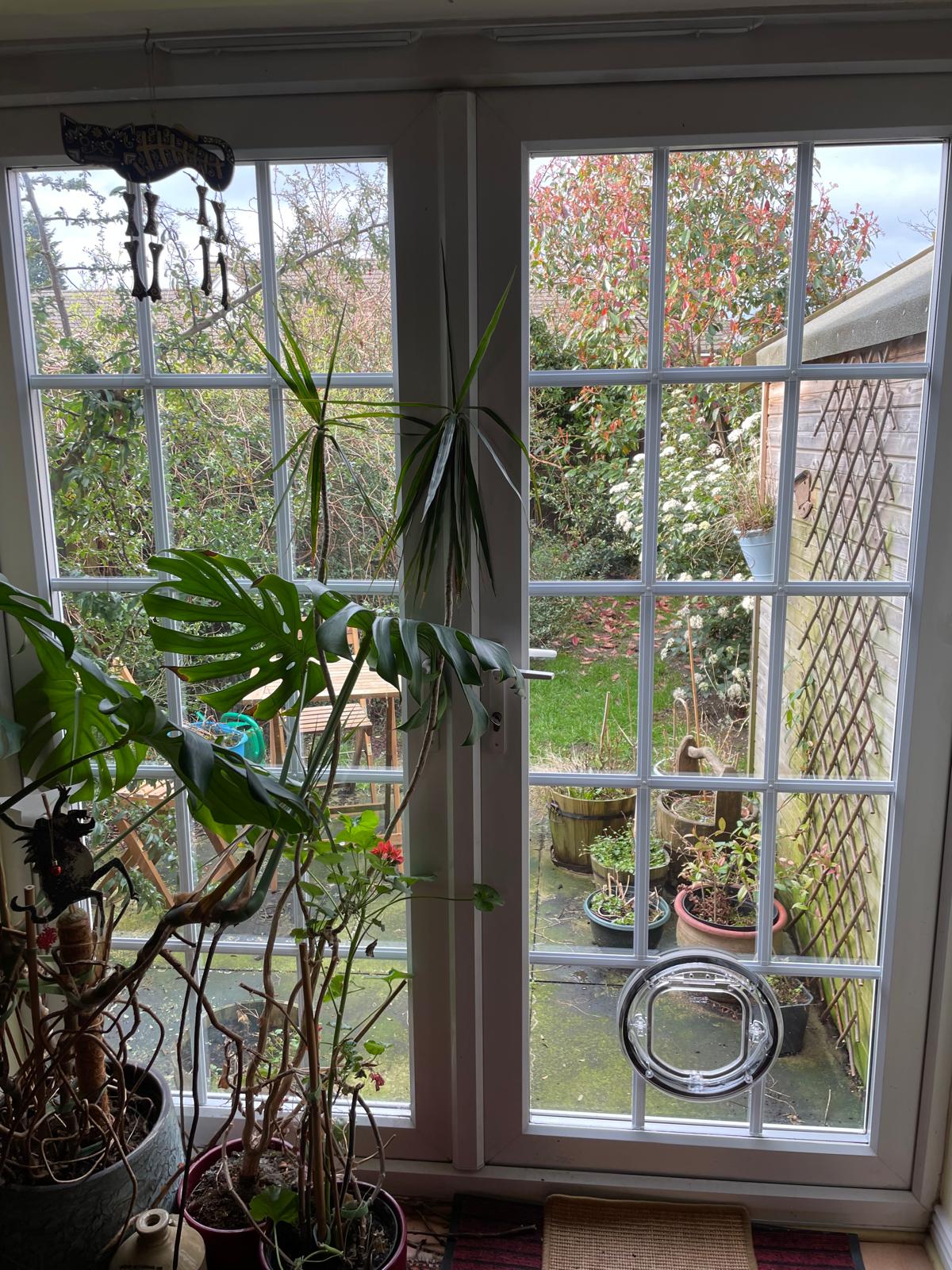
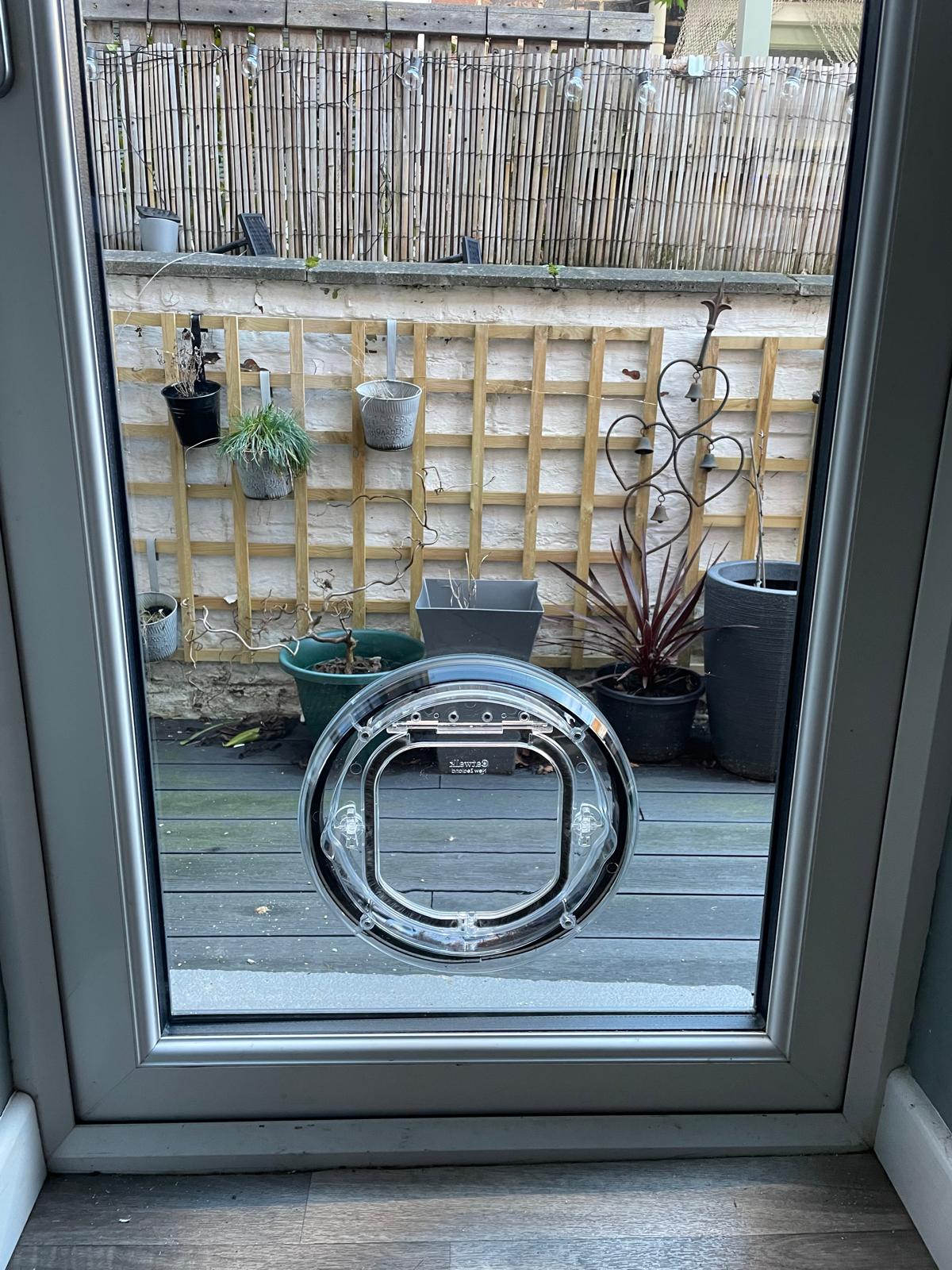
Instead, the existing glass can be replaced with a new bespoke sealed unit manufactured with a precision-cut opening for the chosen cat flap.
This makes the position of the cat flap particularly important because the glass unit needs to be manufactured to the required specifications.
Before ordering the replacement glass, the installer should confirm:
- The glass dimensions
- The cat flap dimensions
- The required opening
- The preferred position
- The type of glazing
- The surrounding frame
Cat Flaps in Windows
A cat flap can also be installed into suitable window glazing.
This can be useful when there is no suitable door location or when the garden access is better positioned near a particular window.
However, the window and glazing configuration need to be assessed first.
As with double-glazed doors, a replacement sealed unit may be required rather than modifying the existing sealed glass unit.
Cat Flaps in uPVC Panels
uPVC doors and panels can also provide suitable locations for cat flap installation.
The available space and construction of the panel need to be checked before installation.
The position should allow the cat flap to sit securely without interfering with other components of the door.
For replacement panels, it may be possible to use a new panel prepared specifically for the cat flap.
Avoiding Locks, Handles and Other Obstacles
One of the most important reasons to plan the position before installation is to avoid existing components.
A cat flap should not interfere with:
- Door handles
- Locks
- Multi-point locking mechanisms
- Window handles
- Structural sections
- Other fittings
This is particularly important with glazed doors and windows where the available space can be limited.
Professional measuring helps identify these issues before materials are ordered.
Indoor and Outdoor Considerations
Think about what your cat will encounter on both sides of the flap.
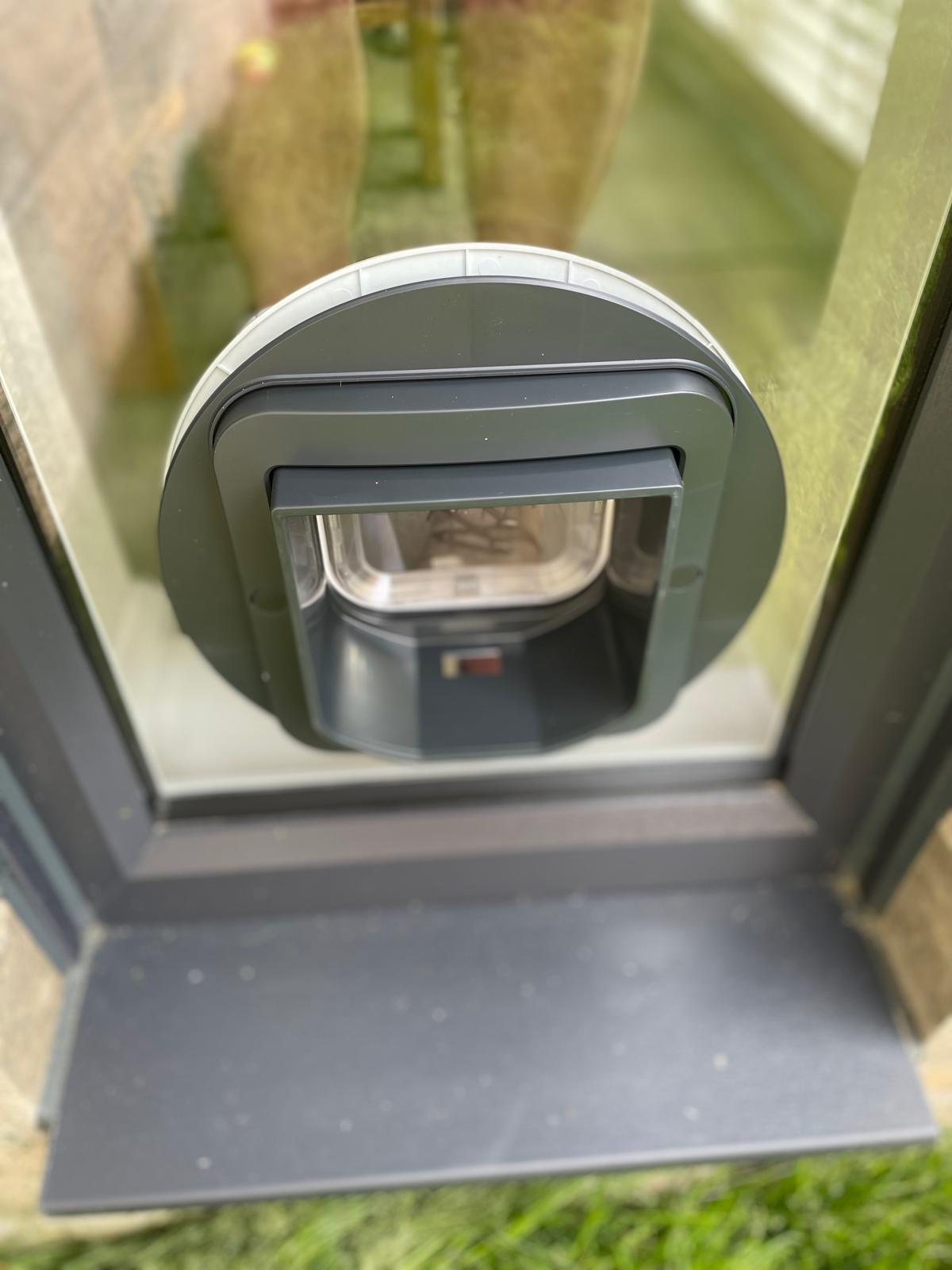
Outside, consider whether your cat will have a comfortable place to land after exiting.
Inside, consider whether furniture, walls or other objects could make the opening difficult to approach.
If the cat flap leads directly onto a hard surface, you may also want to consider whether your cat needs a mat or other suitable landing area.
Why Professional Measuring Is Important
Accurate measurements are particularly important when glass is involved.
A replacement sealed glass unit needs to be manufactured according to the required dimensions. An incorrectly positioned opening can result in an installation that does not meet your requirements.
A professional installer can assess the existing door, window or panel and advise on the most practical position before the work begins.
Professional Cat Flap Installation in Cheshire & Greater Manchester
At Cat Flaps in Glass, cat flap installations are carried out for suitable glass doors, double glazing, windows, uPVC panels and other applications.
The process starts with assessing the existing installation and determining the most suitable location for the cat flap.
Where replacement glazing is required, a bespoke sealed unit can be manufactured with the required opening before installation.
This approach helps achieve an accurate fit and a clean finished appearance.
Frequently Asked Questions
Where is the best place to put a cat flap?
The best position depends on your cat’s size and the construction of the door, window or panel. The flap should be positioned at a comfortable height and away from locks, handles and other obstacles.
Can a cat flap be installed in a glass door?
Yes. Suitable glass doors can have a replacement sealed unit manufactured with an opening for the cat flap.
Can you put a cat flap in a window?
In suitable windows, yes. The glazing configuration needs to be assessed, and replacement glass may be required.
Should a cat flap be centred on a door?
Not necessarily. The most practical position depends on the door’s construction, existing hardware, glazing and your cat’s size.
Does the cat flap position affect the installation cost?
It can. The type of surface, glazing requirements, access and installation method can all affect the overall work required.
Final Thoughts
The best cat flap position is one that works for your cat, your property and the structure of the installation.
Taking measurements and considering the position before purchasing a cat flap can prevent problems later.
For glass and double-glazed installations especially, professional measuring is important because a replacement sealed unit may need to be manufactured specifically for the chosen cat flap and its position.