One of the most common questions homeowners ask before booking a fitting service is how long the installation will actually take. The answer depends on far more than the cat flap itself. Installation time changes based on the door material, the complexity of the fitting, and whether custom glass or wall work is required.
Understanding realistic cat flap installation time expectations helps homeowners plan properly and avoid surprises during the process. A simple wooden door installation may be completed within an hour, while double glazing or wall installations can take significantly longer because of preparation and manufacturing requirements.
This guide explains what affects installation time, how different materials change the process, and why professional fitting often saves time in the long run.
Table of Contents
- What Affects Cat Flap Installation Time
- Installation Time by Door Type
- Why Glass Installations Take Longer
- Wall Installation Time Explained
- Factors That Delay Installation
- Professional vs DIY Time Comparison
- What Happens During the Installation Process
- Expert Insight from Real Installations
- Final Thoughts
- FAQs
What Affects Cat Flap Installation Time
Cat flap installation is not measured only by the physical fitting itself. The preparation stage, material assessment, positioning, cutting method, and sealing process all contribute to the total timeframe. One of the biggest factors is the installation surface. Wooden doors are relatively straightforward because they allow direct cutting and fitting. Reinforced uPVC doors, composite structures, and double-glazed panels require additional assessment and specialised tools.
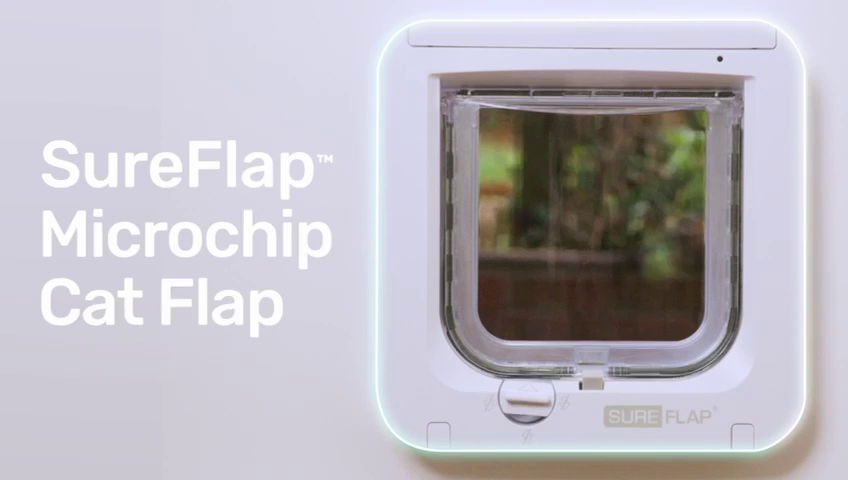
The type of cat flap also matters. Basic manual flaps are generally faster to install, while microchip systems require more precise alignment and testing to ensure sensors and locking mechanisms operate correctly. Professional installers also spend time ensuring proper sealing because poor insulation around the flap can lead to drafts and moisture issues later.
Installation Time by Door Type
Wooden Doors
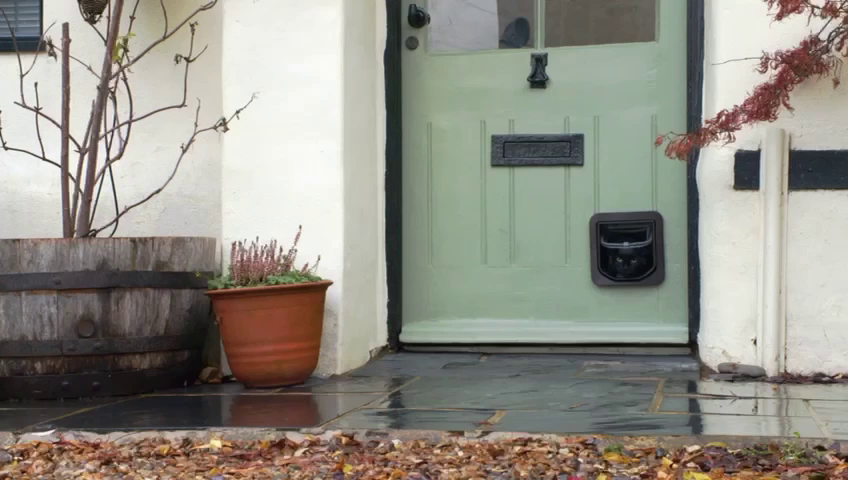
Wooden doors usually have the shortest installation time because the material is easier to work with. In most cases, professional installation takes between one and two hours, depending on the flap type and door thickness. However, speed does not mean the process is simple. Installers still need to measure accurately, position the flap correctly, and seal the installation properly to prevent long-term issues.
uPVC Doors
uPVC installations often take longer because many doors contain internal reinforcement panels. Installers must identify safe cutting areas before work begins to avoid weakening the structure. If the panel can be cut directly, installation may take around two hours. If a replacement panel is required, additional preparation time is needed.
Composite Doors
Composite doors are more complex because of their layered construction. These materials are designed for durability and insulation, which means installation requires careful handling and specialised cutting methods. Professional fitting of composite doors may take several hours, depending on the structure and flap system being installed.
Why Glass Installations Take Longer
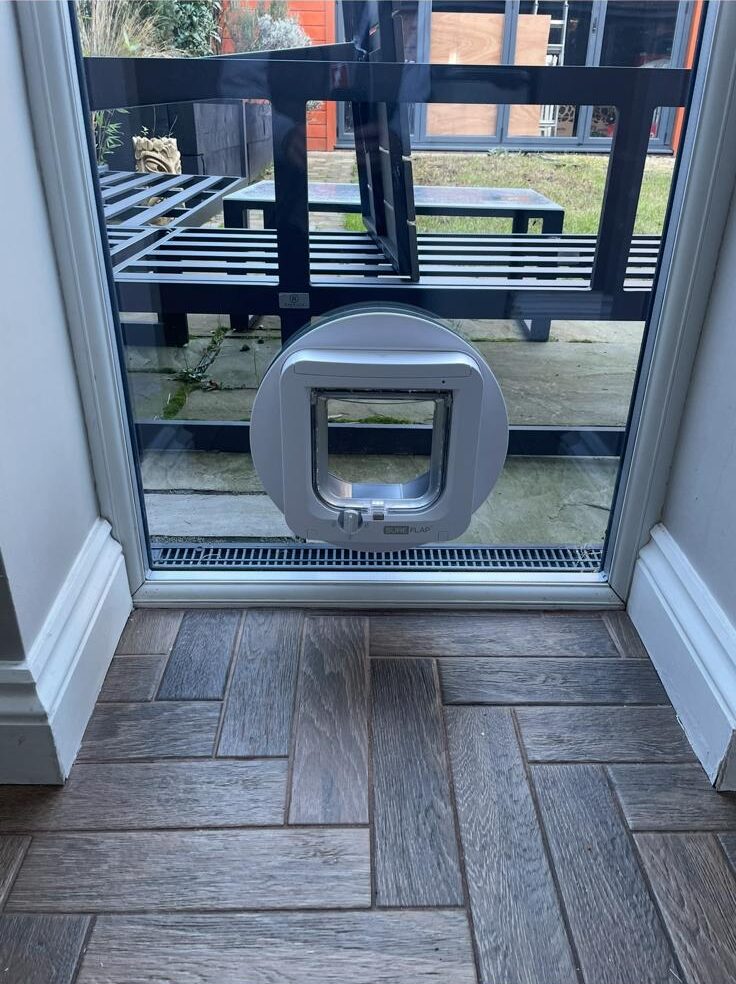
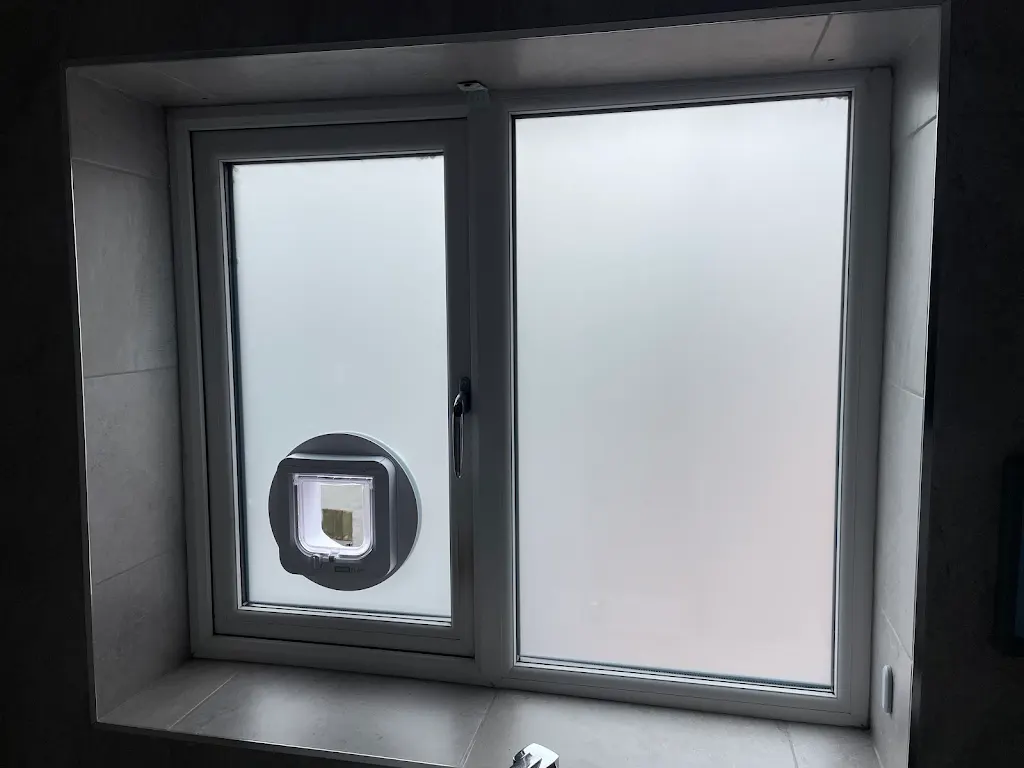
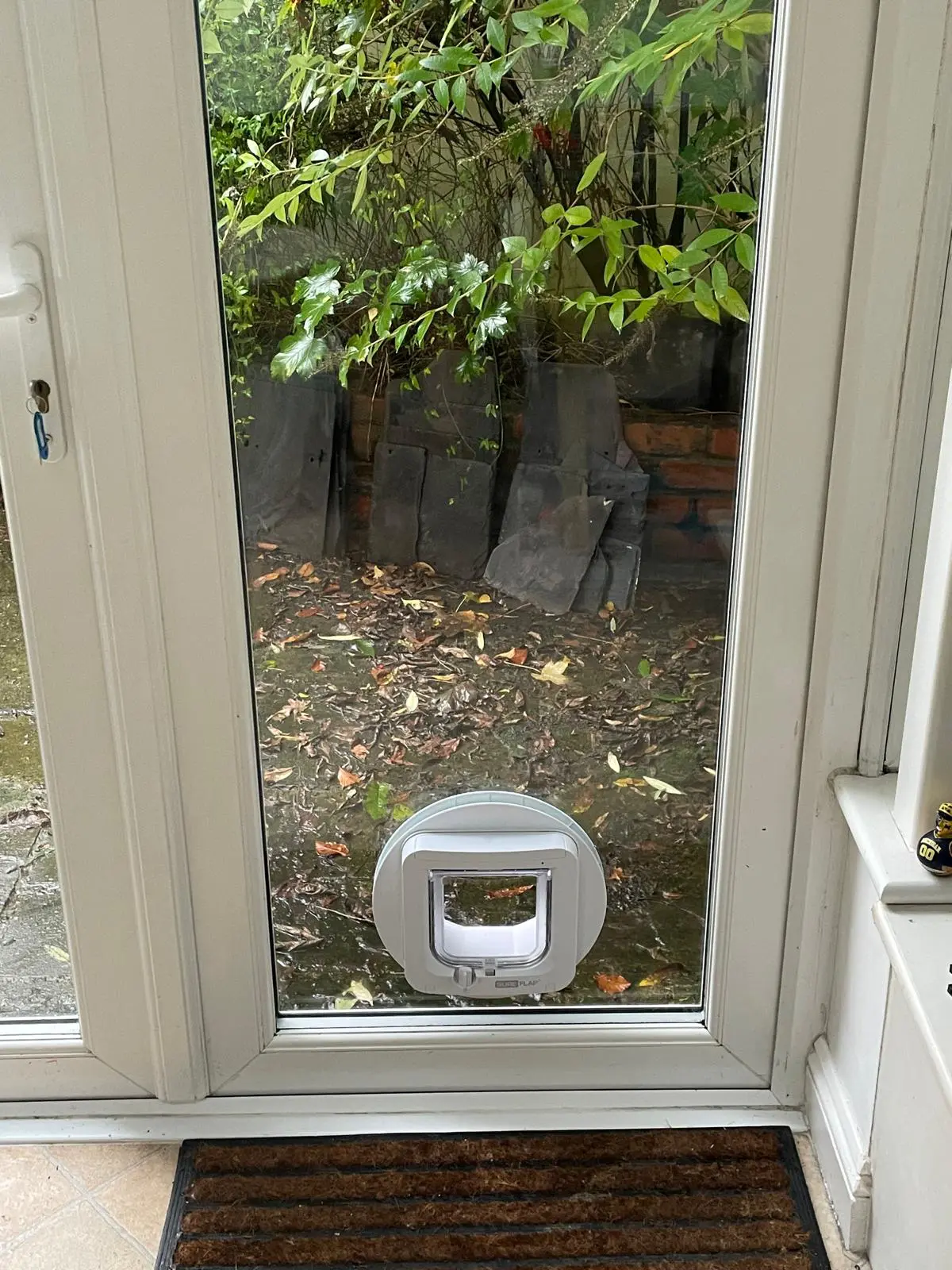
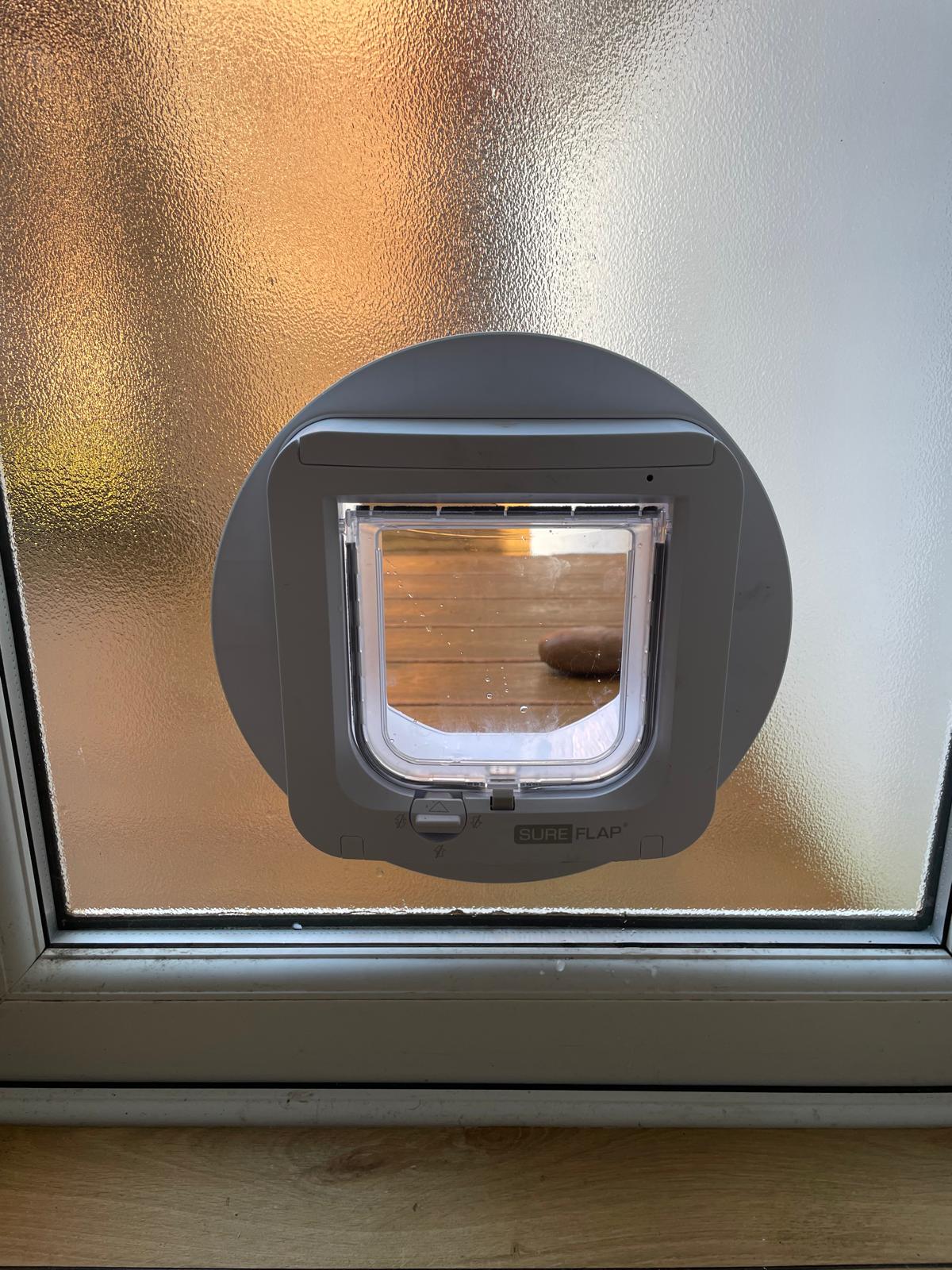
Glass installations involve a completely different process from standard door fitting. Existing double-glazed units cannot be cut after manufacturing because they are sealed and toughened during production. Instead, installers first measure the existing glass panel and order a replacement unit with a factory-prepared opening. Once the new panel is manufactured, the original glass is replaced and the cat flap is installed in the prepared section.
Because of this two-stage process, glass installations usually take several days overall, although the physical fitting appointment itself may only last one to two hours. This is one of the main reasons homeowners choose professional fitting services. Accurate measurement is critical because even small errors can delay installation further or require replacement panels to be remade.
Wall Installation Time Explained
Wall-mounted cat flap installations are often more time-consuming than door fittings because they involve additional structural work. Installers must assess wall thickness, insulation layers, cavity depth, and the location of hidden obstacles such as pipes or wiring. Tunneling through the wall also requires lining and sealing to maintain insulation and weather resistance.
Depending on wall structure and access conditions, installation may take several hours or, in more complex cases, require multiple visits.
Factors That Delay Installation
Several factors can increase the overall installation timeframe even when the fitting itself is relatively simple.
- Replacement glass manufacturing for double glazing
- Reinforced or unusual door structures
- Incorrect measurements requiring adjustments
- Poor weather conditions during external work
- Additional sealing or reinforcement requirements
These delays are more common in DIY installations because homeowners often underestimate preparation and material complexity.
Professional vs DIY Time Comparison
Many homeowners assume DIY installation saves time, but this is not always true. Professionals follow a structured process that minimizes mistakes and reduces the likelihood of rework later.
DIY installation often takes longer because of:
- Repeated measuring and adjustment
- Limited access to specialized tools
- Difficulty handling reinforced materials
- Trial-and-error fitting methods
Professional installers complete the process more efficiently because they understand how different materials behave and how to avoid common installation problems.
Request Your Free Quote Today
If you need a professional cat flap installer for glass, doors or panels, we are ready to help. We provide dependable pet flap installation with quality workmanship and friendly local service.
Call Now For A Free QuoteWhat Happens During the Installation Process
Professional fitting follows a sequence designed to ensure long-term performance rather than simply completing the job quickly.
The process usually includes:
- Assessing the installation surface
- Measuring and marking the correct position
- Preparing the opening using material-specific tools
- Fitting and securing the cat flap
- Sealing the installation area against drafts and moisture
- Testing flap movement and locking systems
For advanced microchip flaps, additional testing is often required to ensure the sensor system operates consistently.
Expert Insight from Real Installations
From an installer’s perspective, the biggest time-consuming issues usually come from incorrect preparation rather than the fitting itself. Misaligned measurements, hidden reinforcement sections, and poor positioning decisions often create delays that could have been avoided with proper assessment. Glass installations are another common example. Homeowners sometimes expect same-day fitting without realising that replacement glass panels must first be manufactured. Experienced installers explain this process early so expectations remain realistic.
Professional fitting services are designed to balance speed with precision. Rushing installation increases the likelihood of insulation problems, structural damage, and premature wear, which ultimately costs more time and money later.
Final Thoughts
Cat flap installation time depends heavily on the installation surface, the type of flap being fitted, and the level of preparation required. Simple wooden door installations may be completed quickly, while glass and wall installations involve additional planning and manufacturing stages. Understanding these differences helps homeowners set realistic expectations and appreciate why professional fitting services focus on precision as much as speed.
Request Your Free Quote Today
If you need a professional cat flap installer for glass, doors or panels, we are ready to help. We provide dependable pet flap installation with quality workmanship and friendly local service.
Call Now For A Free QuoteFAQs
How long does standard cat flap installation usually take?
Most standard wooden door installations take around one to two hours when completed by a professional installer. More complex materials, such as composite doors or reinforced uPVC, may require additional time.
Why does double-glazed cat flap installation take several days?
The physical fitting itself is relatively quick, but a replacement glass panel with a pre-cut opening must first be manufactured. This production stage increases the overall installation timeframe.
Can a same-day cat flap installation be done for glass doors?
Same-day installation is generally not possible for double glazing because the replacement glass unit needs to be custom-made before fitting.
Does professional installation save time compared to DIY?
In many cases, yes. Professionals use specialised tools and proven fitting methods that reduce mistakes, prevent delays, and improve long-term reliability.
What type of cat flap installation takes the longest?
Wall and double-glazing installations are usually the most time-consuming because they involve structural assessment, additional preparation, and, in some cases, custom manufacturing.