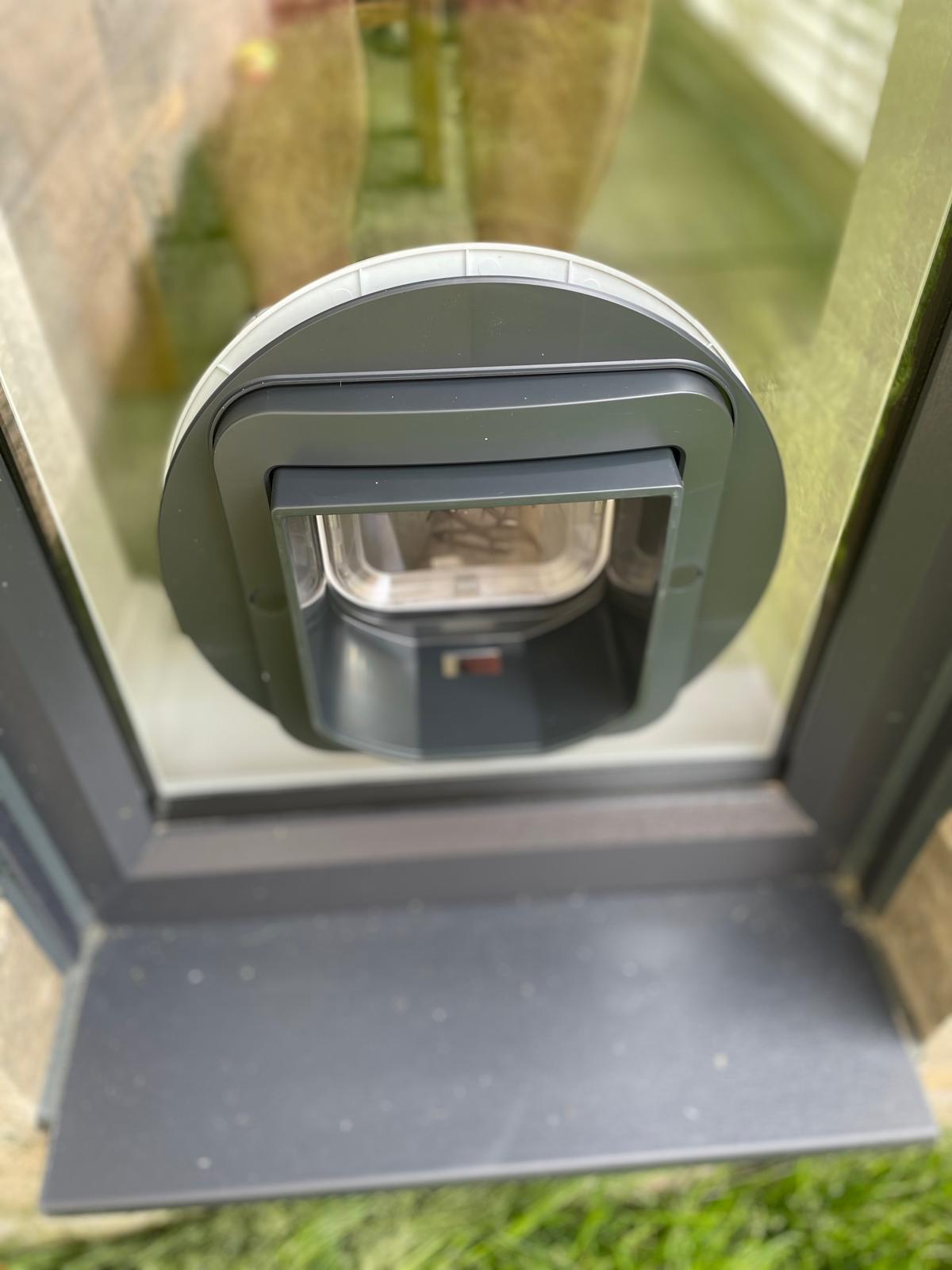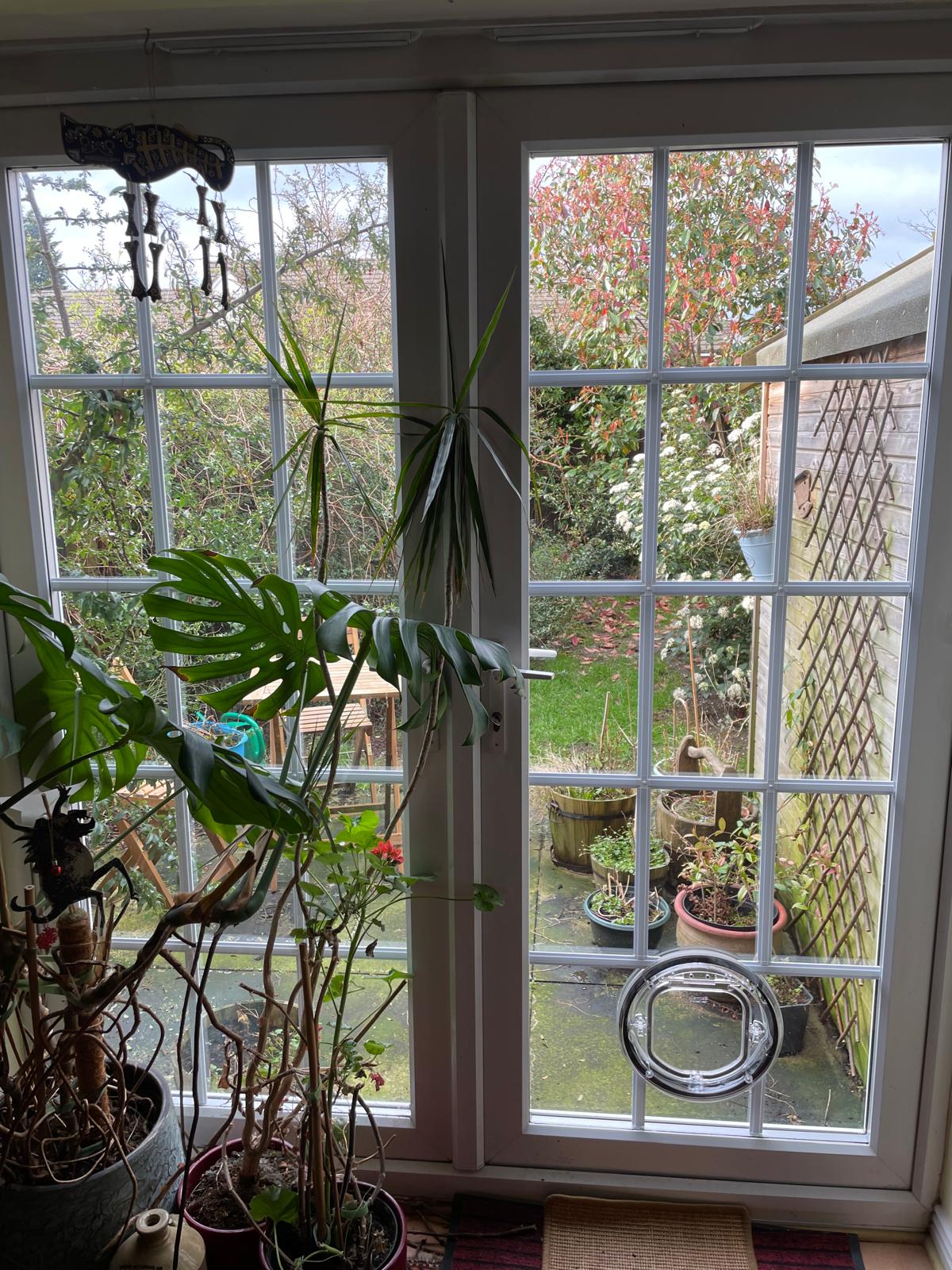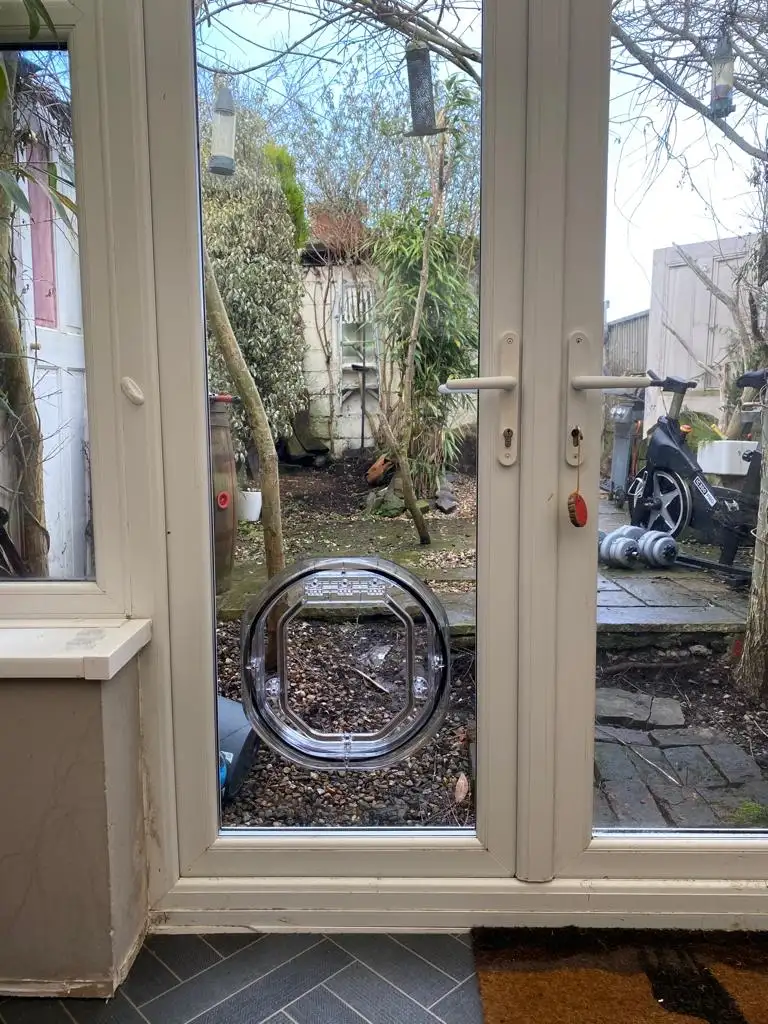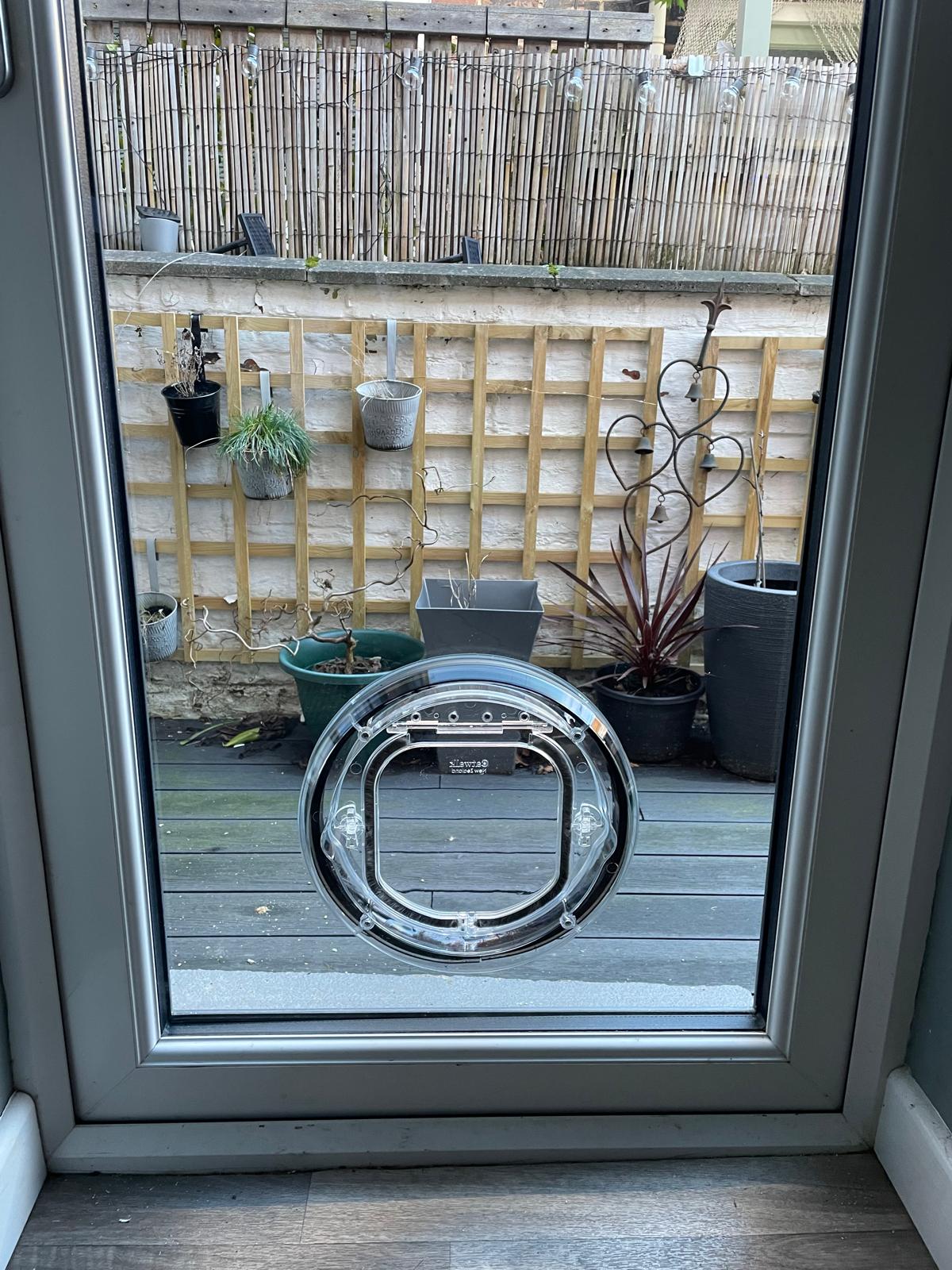
cat flap installed in French door glass
French doors are a popular choice for homeowners who want to connect their living space with the garden. For households with cats, installing a cat flap can make access much more convenient, allowing pets to come and go without needing someone to open the doors.
However, French doors can present some unique installation challenges, particularly when they contain double glazing. Understanding how the installation works can help you choose the right cat flap and avoid problems with your existing doors.
Table of Contents
- Can You Install a Cat Flap in French Doors?
- Cat Flaps in Glazed French Doors
- Why Replacement Glass May Be Required
- Choosing the Best Position
- Choosing the Right Cat Flap
- The Professional Installation Process
- Common Problems to Avoid
- Benefits of Professional Installation
- Final Thoughts
- FAQs
Can You Install a Cat Flap in French Doors?
Yes, many French doors can accommodate a cat flap.
The most suitable installation method depends on the construction of the doors. Some French doors have solid lower panels, while others contain large areas of double glazing.
If the cat flap is being installed into a glazed section, a replacement sealed glass unit may be required.
Before any work is carried out, the door should be assessed to determine the safest and most practical installation method.
Cat Flaps in Glazed French Doors
Many modern French doors feature large glass panels designed to maximise natural light.
If you want to install a cat flap into one of these glazed sections, the existing double-glazed unit generally cannot simply be cut.
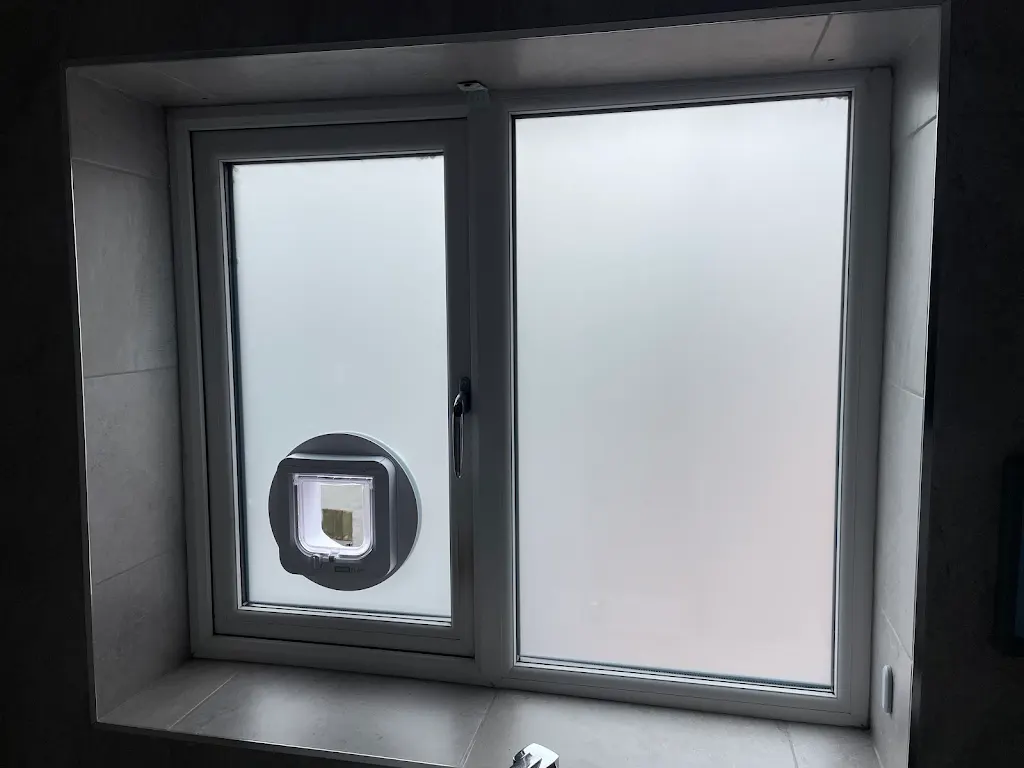
Instead, a new sealed glass unit can be manufactured with an opening specifically designed for your chosen cat flap.
This provides a purpose-made solution while maintaining the sealed construction of the glazing.
Why Replacement Glass May Be Required
Double-glazed units are manufactured as sealed systems.
The glass may also be toughened or otherwise processed for safety. Once manufactured, modifying the existing unit can cause damage or compromise its performance.
A bespoke replacement unit allows the cat flap opening to be prepared during the manufacturing process.
The replacement unit can then be installed into the existing French door.
This approach helps maintain:
- Insulation
- Weather resistance
- A professional appearance
- Proper sealing
- Structural performance
Choosing the Best Position
Cat flap positioning is particularly important with French doors because the available glass area may be limited.
The installer needs to consider:
- Your cat’s height
- The size of the cat flap
- The door’s frame
- Locks and handles
- The size of the glass panel
- Internal and external access
The flap should be positioned at a comfortable height for your pet while avoiding important door components.
Choosing the Right Cat Flap
There are several types of cat flaps suitable for different homes.
Manual Cat Flaps
These offer a simple solution for basic pet access.
Microchip Cat Flaps
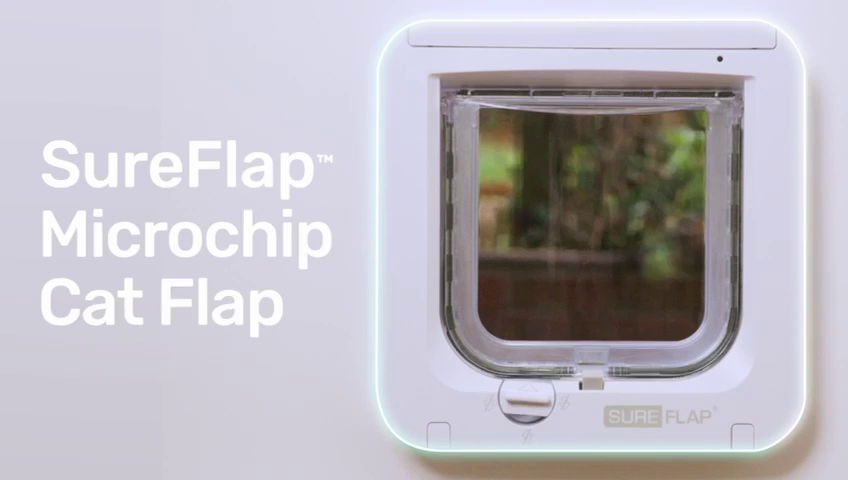
Microchip models recognise registered pets and can help prevent unwanted animals from entering.
Lockable Cat Flaps
These give homeowners greater control over when their pets can enter or leave.
Larger Pet Flaps
Some larger models can accommodate bigger cats or small dogs.
Always check the dimensions of the chosen model before the glass is manufactured.
The Professional Installation Process
A typical installation involves several stages.
Step 1 – Assessing the French Doors
The installer checks the door and glazing to determine the most suitable solution.
Step 2 – Measuring the Glass
Accurate measurements are taken to ensure the replacement unit matches the existing opening.
Step 3 – Confirming the Cat Flap
The dimensions and fitting requirements of the selected cat flap are confirmed.
Step 4 – Manufacturing the Replacement Glass
A new sealed unit is manufactured with the required opening.
Step 5 – Removing the Existing Glass
The original unit is carefully removed.
Step 6 – Installing the New Unit
The bespoke glass is fitted into the French door and properly sealed.
Step 7 – Fitting the Cat Flap
The cat flap is securely installed and tested.
Common Problems to Avoid
Poorly planned installations can create unnecessary problems.
Common issues include:
- Incorrect measurements
- Cat flap positioned too high or low
- Poor weather sealing
- Choosing the wrong flap size
- Interference with door hardware
- Attempting to modify existing sealed glass
Planning the installation properly from the beginning helps prevent these issues.
Benefits of Professional Installation
Professional fitting can provide:
- Accurate measurements
- Correct cat flap positioning
- Bespoke replacement glass
- Secure installation
- Proper weather sealing
- A neat finished appearance
This is particularly important when working with double-glazed French doors.
Final Thoughts
Installing a cat flap in French doors can provide a convenient way for your pet to access the garden while keeping the appearance of your home intact.
When the French doors contain double glazing, the installation will generally require a purpose-made replacement sealed unit with a suitable opening for the cat flap.
With accurate measurements and professional installation, you can achieve a secure, weather-resistant and attractive result.
FAQs
Can a cat flap be installed in French doors?
Yes. The appropriate method depends on whether the doors have solid panels or glazed sections.
Can you cut an existing double-glazed French door?
Existing sealed double-glazed units should not normally be cut. A replacement bespoke unit is generally the appropriate solution.
Can I have a microchip cat flap in French door glass?
Yes. A suitable microchip cat flap can be installed into a purpose-made replacement glass unit.
How long does the installation take?
The physical fitting can be relatively quick, but glass installations require additional time because the replacement sealed unit must be manufactured first.
Can the cat flap be installed in either French door?
The most suitable door depends on the door construction, glass panel size, hardware and preferred access point. An installer can assess the options before manufacturing the replacement unit.