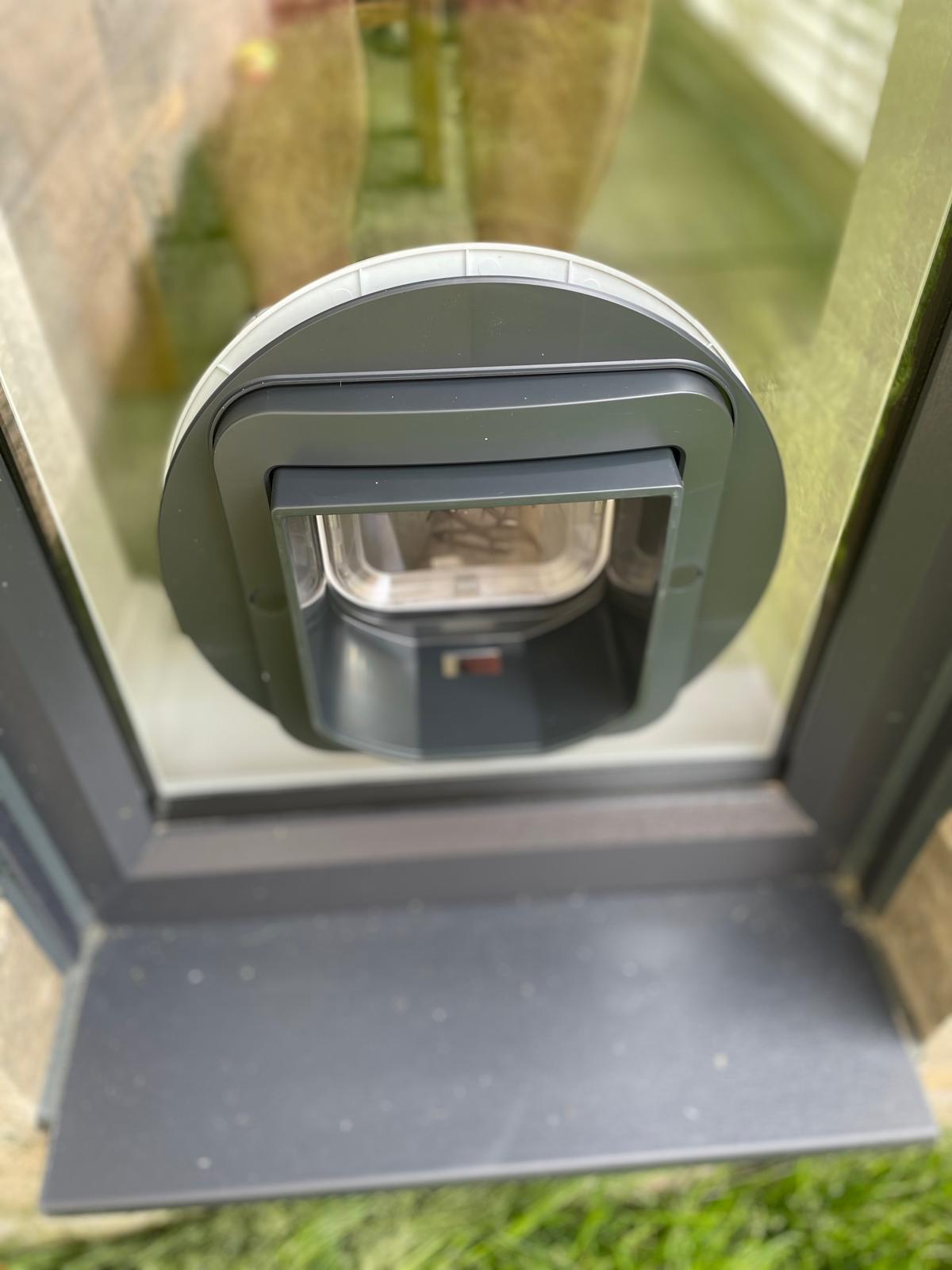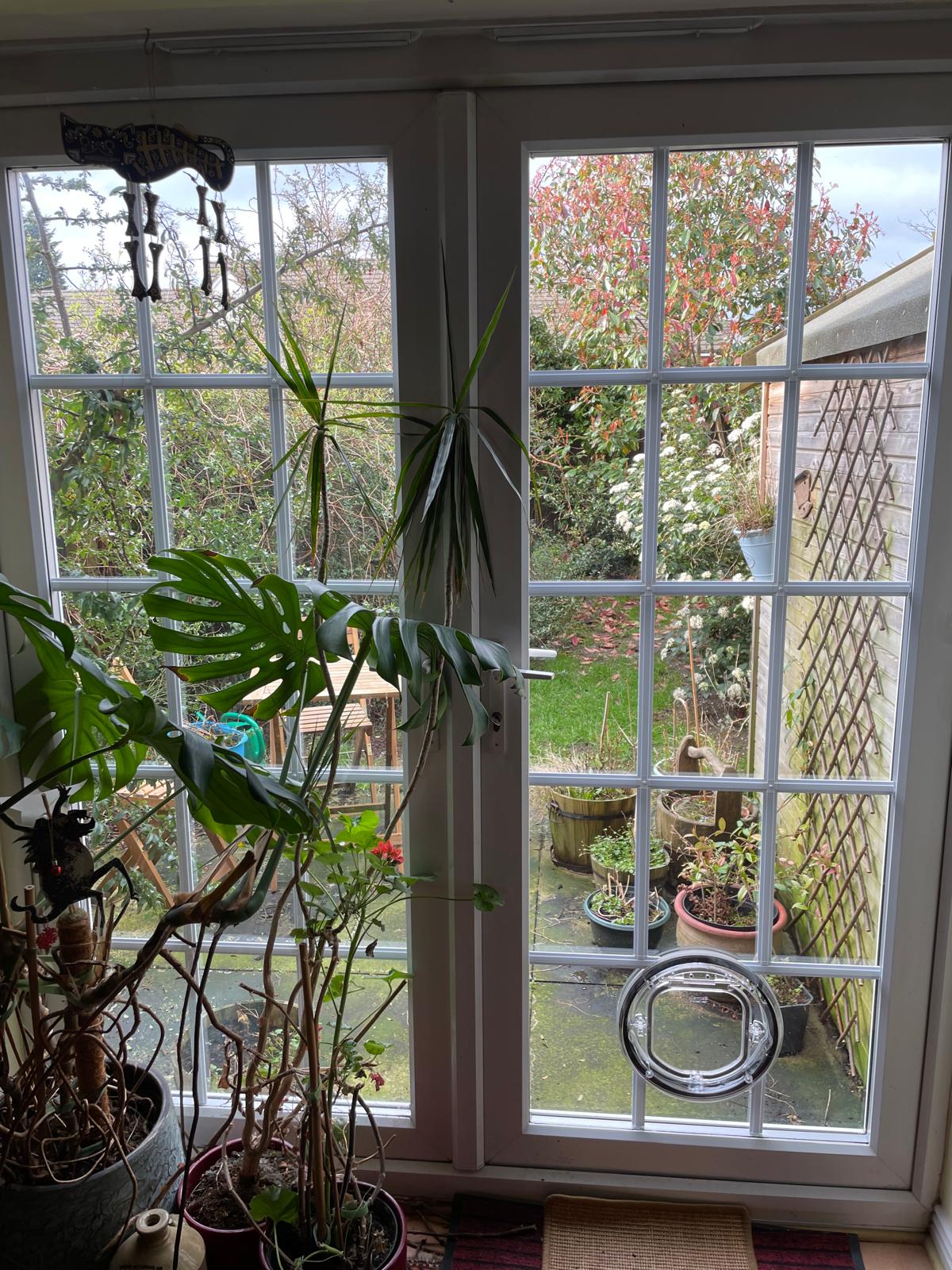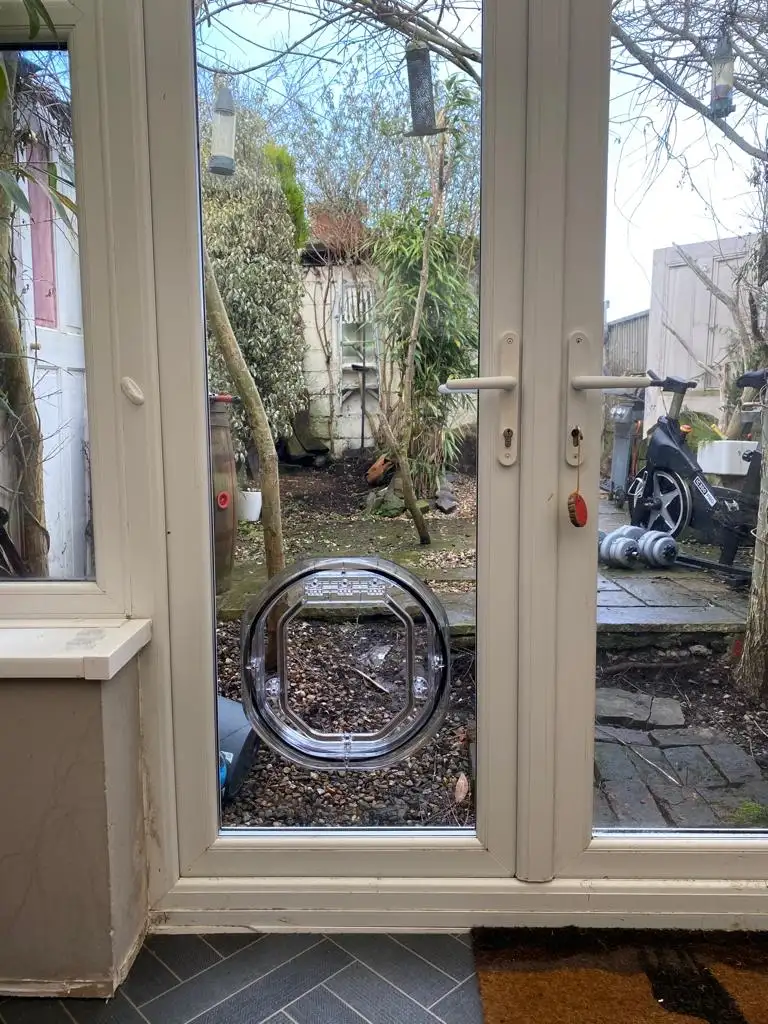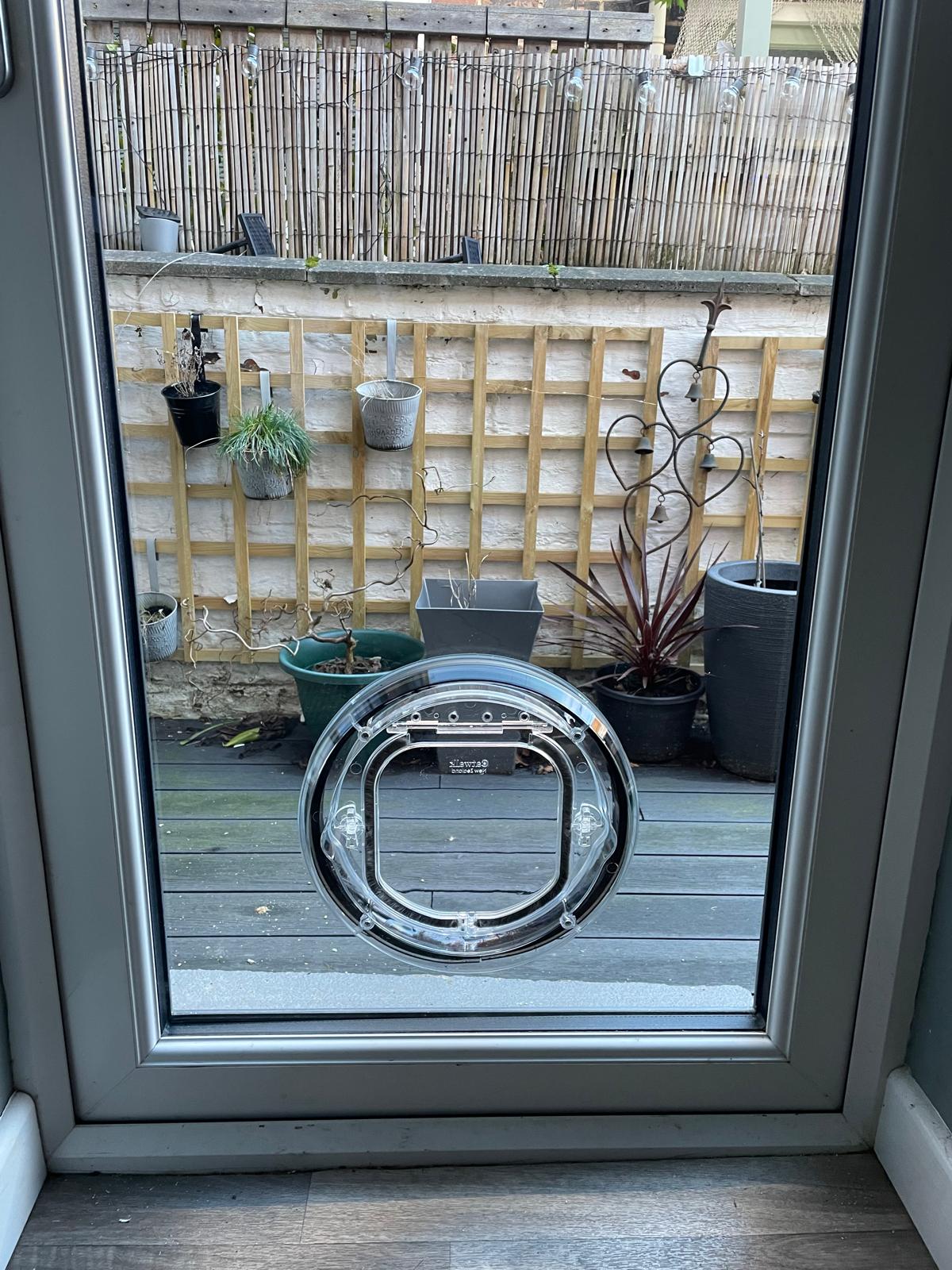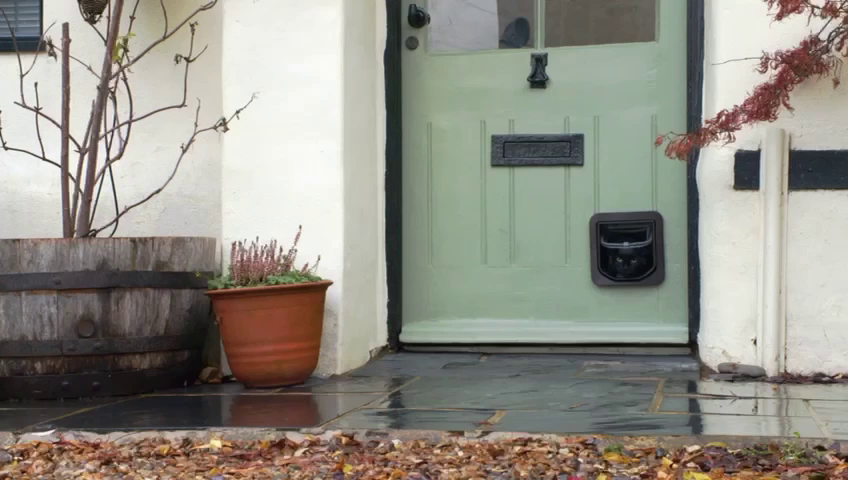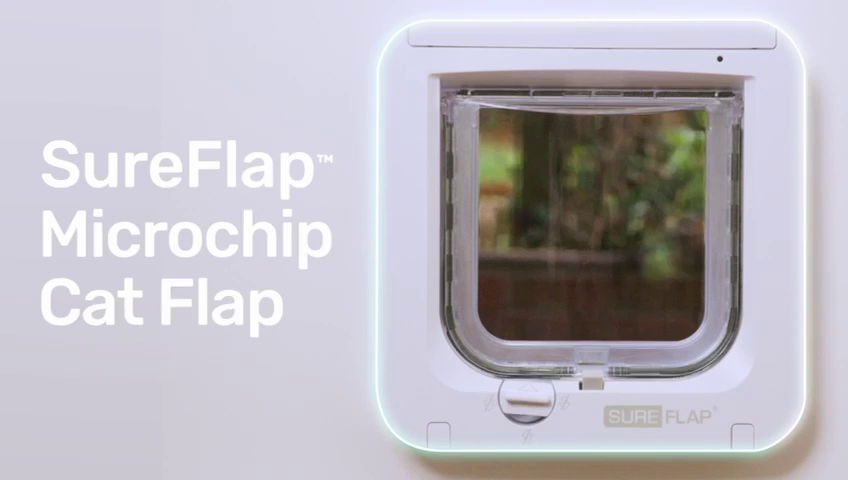

old cat flap being replaced with a modern microchip cat flap
A cat flap is designed to provide years of reliable use, but like any household fixture, it won’t last forever. Daily use, changing weather conditions, and general wear can eventually affect its performance.
If your cat flap has become difficult to use, no longer seals properly, or lacks modern security features, replacing it may be the best solution.
This guide explains when it’s time for an upgrade and what homeowners should consider before replacing an existing cat flap.
Table of Contents
- Signs Your Cat Flap Needs Replacing
- Benefits of Upgrading
- Choosing the Right Replacement
- Why Professional Replacement Matters
- Looking After Your New Cat Flap
- Final Thoughts
- FAQs
Signs Your Cat Flap Needs Replacing
Over time, even well-installed cat flaps begin to show signs of wear.
Common warning signs include:
- Cracked plastic
- Broken locking mechanisms
- Draughts around the flap
- Water leaks
- Difficulty opening or closing
- Excessive noise during operation
If your cat struggles to use the flap or it no longer closes correctly, replacement should be considered.
Benefits of Upgrading
Modern cat flaps offer significant improvements over older models.
Advantages include:
Better Security
Microchip technology helps prevent unwanted animals entering your home.
Improved Weather Protection
Newer seals reduce draughts and help maintain energy efficiency.
Smoother Operation
Modern hinges and locking systems operate more quietly and reliably.
Longer Lifespan
High-quality materials provide improved durability and resistance to daily use.
Choosing the Right Replacement
Selecting the right replacement depends on several factors.
Consider:
- Your pet’s size
- Installation location
- Home security requirements
- Manual or microchip operation
- Weather resistance
If your existing flap was installed in glass, a replacement should be compatible with the existing cut-out wherever possible.
A professional installer can advise if any modifications are required.
Why Professional Replacement Matters
Replacing a cat flap is not always as simple as removing the old one.
Professional installers ensure:
- Existing openings are assessed.
- The new flap fits correctly.
- Weather seals remain effective.
- Locks operate properly.
- The installation maintains security.
This is particularly important for glass, composite, and insulated doors.
Looking After Your New Cat Flap
To maximise the life of your replacement cat flap:
- Keep the flap clean.
- Check seals regularly.
- Lubricate moving parts if recommended.
- Replace batteries promptly.
- Test locking mechanisms every few months.
Routine care helps prevent unnecessary repairs and extends the life of the flap.
Final Thoughts
Replacing an ageing cat flap is a simple way to improve convenience, security, and energy efficiency. Whether you’re upgrading to a microchip model or replacing a damaged manual flap, professional installation ensures the new unit operates reliably and complements your home.
FAQs
How long does a cat flap usually last?
Most quality cat flaps last many years, although lifespan depends on usage, weather exposure, and maintenance.
Can I replace my old cat flap with a microchip model?
Yes. In many cases, a modern microchip cat flap can replace an older manual flap.
Will replacing my cat flap damage my door?
Professional replacement is designed to avoid damage while maintaining the integrity of the installation.
Is it worth upgrading to a newer model?
If your current flap is worn, draughty, or lacks security features, upgrading can improve both convenience and home security.