Installing a cat flap today involves far more than simply cutting a hole in a door. Modern homes use insulated glass, reinforced uPVC panels, composite materials, and energy-efficient structures that require careful handling during installation. Because of this, homeowners increasingly prefer professional fitting services that reduce risk and ensure long-term reliability.
Understanding the full professional cat flap fitting service process helps homeowners know what actually happens during installation, why professional fitting matters, and how it protects both the property and the cat flap itself. A properly installed flap improves convenience for pets while maintaining security, insulation, and structural stability.
According to the latest PDSA UK Pet Population report, the UK is home to more than 11 million pet cats, making cats one of the most common household pets in the country. As pet ownership continues to grow, demand for professional pet access solutions has increased significantly.
Table of Contents
- What Happens Before Installation
- Property Assessment and Material Evaluation
- Choosing the Right Cat Flap System
- The Professional Installation Process
- Understanding Glass and Double Glazing Installation
- How Professionals Protect Insulation and Security
- Timeframe and Service Expectations
- Problems Professional Fitters Help Prevent
- Expert Insight from Real Installations
- Final Thoughts
- FAQs
What Happens Before Installation
Professional cat flap fitting starts with planning and assessment rather than immediate installation. Experienced fitters understand that every property is different, and the installation process must match the structure being modified. The first step usually involves discussing the homeowner’s requirements, including the type of flap needed, where it should be installed, and how the pet will use it daily. Installers also evaluate environmental factors such as exposure to weather, security concerns, and insulation requirements.
This stage is important because the wrong installation method can create long-term issues that are expensive to correct later. Proper assessment ensures the flap is compatible with the structure and positioned correctly for practical use.
Property Assessment and Material Evaluation
One of the most valuable parts of a professional service is the detailed assessment of the installation surface. Different materials require different tools, techniques, and preparation methods.
Wooden Doors
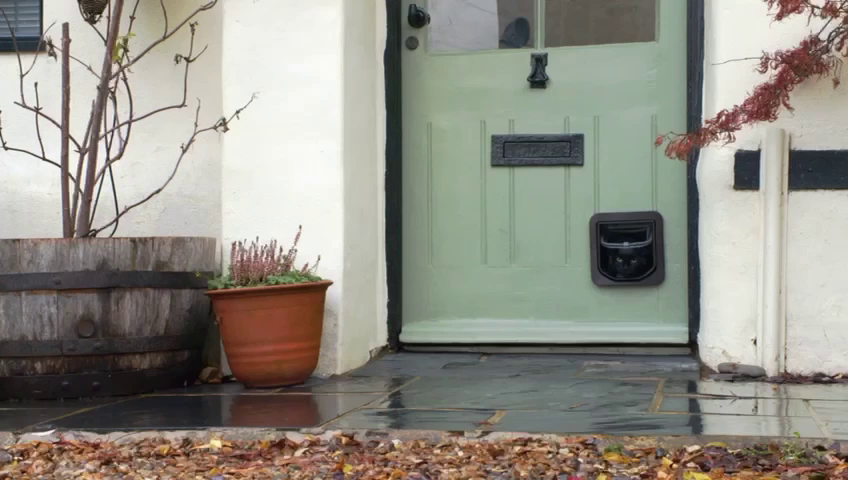
Wood remains one of the easiest materials for cat flap installation because it allows direct cutting and fitting. However, professionals still focus heavily on alignment and finishing because poor placement or weak sealing can create drafts and reduce durability over time. Experienced fitters also reinforce the installation area where necessary to prevent weakening the door after repeated daily use.
uPVC and Composite Doors
Modern uPVC and composite doors are more complex than many homeowners realize. Internal reinforcement sections are often hidden within the structure, and cutting into the wrong area can damage the integrity of the panel. Professional fitters inspect the door carefully before installation begins. In some situations, they may recommend replacing a panel instead of cutting directly into the reinforced section. This preserves the strength and performance of the door while ensuring the flap fits securely.
Glass Doors and Patio Panels
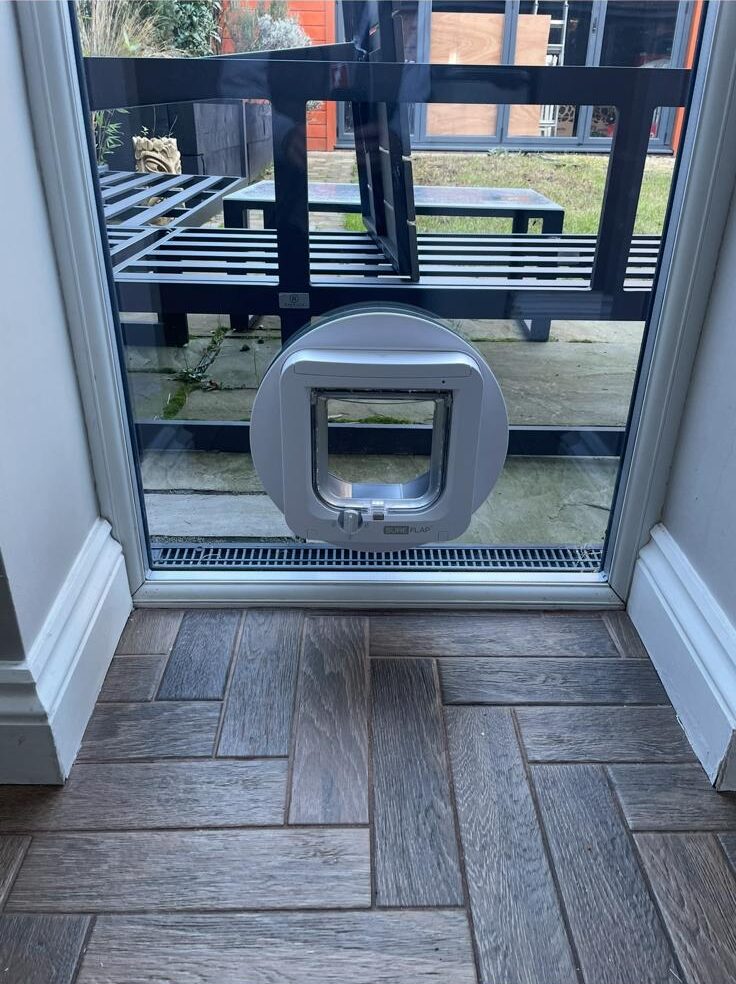
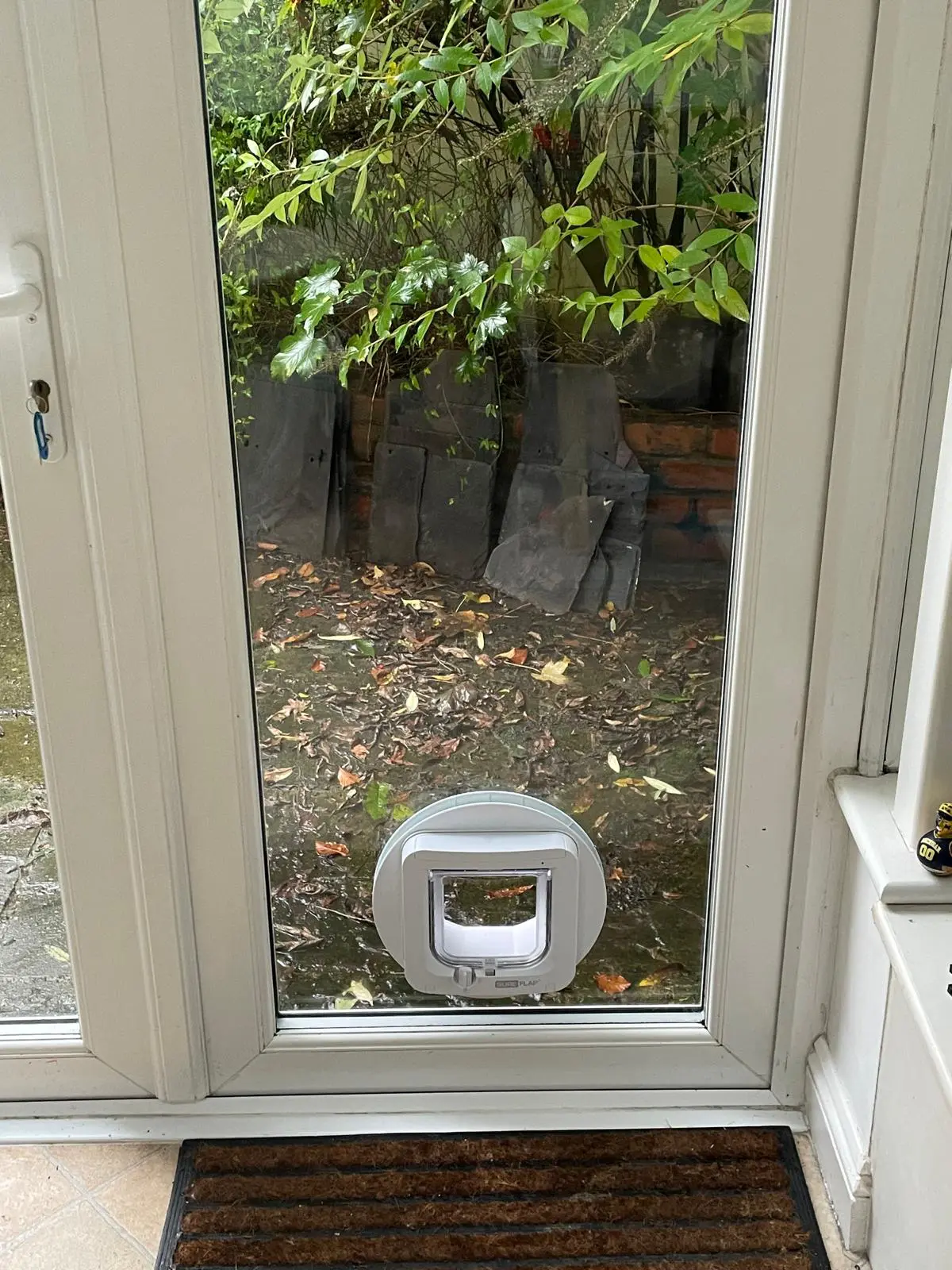
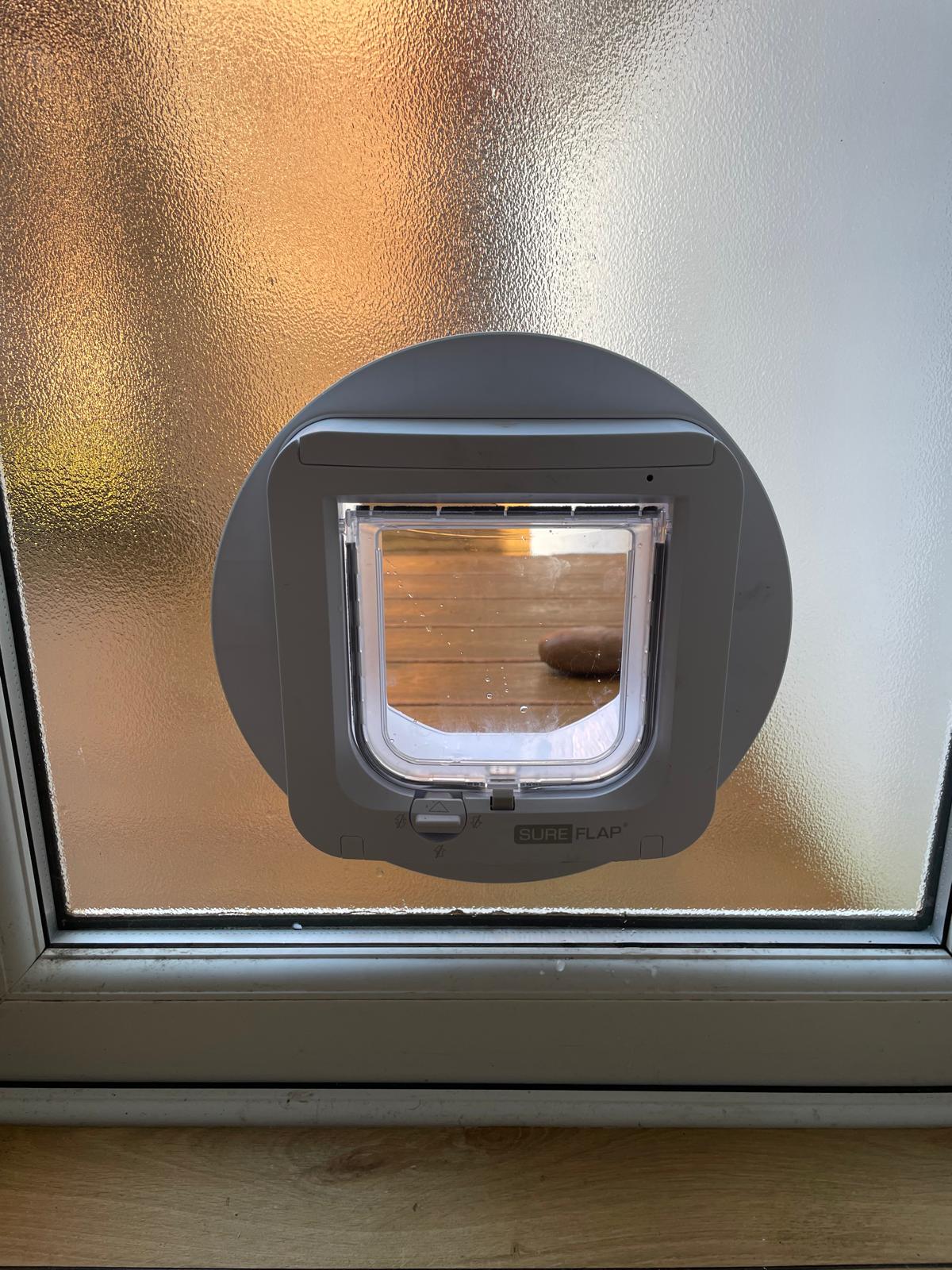
Glass installations require specialist knowledge because double-glazed units cannot simply be modified after manufacturing. These units are sealed systems designed to maintain insulation and structural stability. Professionals measure the existing panel precisely and arrange for a replacement toughened glass unit with a factory-prepared opening. This process maintains the insulating performance of the glass and prevents the seal from failing over time.
Wall Installations
Wall-mounted cat flaps involve additional structural considerations. Installers must evaluate cavity depth, insulation layers, and the location of hidden pipes or wiring before any cutting takes place. Correct lining and sealing are essential in wall installations because poor preparation can lead to moisture penetration and energy loss.
Choosing the Right Cat Flap System
Professional installers do not simply fit whatever flap is purchased. They often guide homeowners toward systems that are better suited for the property layout, security requirements, and long-term usage.
Manual Cat Flaps
Basic manual flaps remain suitable for low-risk environments where unrestricted access is acceptable. However, they offer minimal insulation and limited security control, which makes them less ideal for exposed areas or busy neighborhoods.
Magnetic and Infrared Systems
Magnetic and infrared systems improve access control by limiting entry to pets wearing compatible collars. These systems provide a balance between affordability and functionality, although they still depend on external collar devices. Professionals often recommend these systems for homeowners looking for moderate security improvements without moving to advanced smart systems.
Microchip Cat Flaps
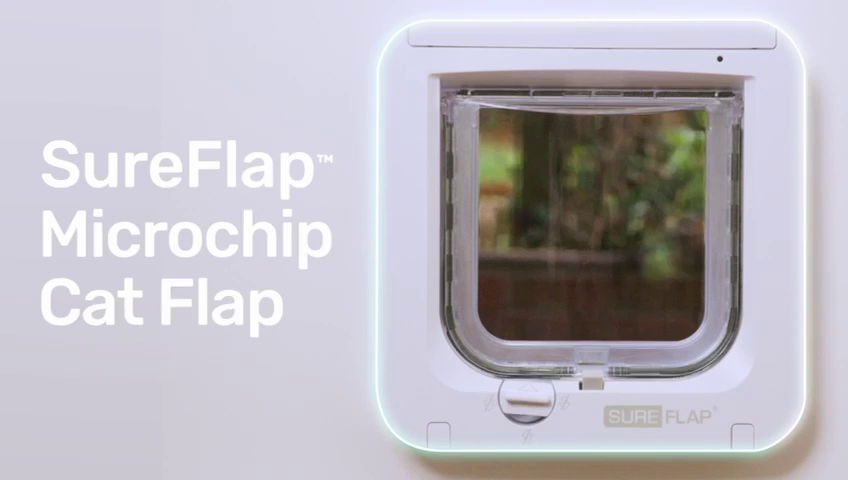
Microchip cat flaps are becoming increasingly popular because they provide selective entry using the pet’s existing microchip. Following the introduction of compulsory cat microchipping regulations in England, awareness of smart pet access systems has grown significantly in recent years. These systems improve security, reduce unwanted animal entry, and eliminate dependence on collars. Professional fitting is particularly important for microchip systems because proper alignment affects sensor performance and long-term reliability.
The Professional Installation Process
Once assessment and planning are complete, the installation process begins in a structured and controlled manner. Fitters first mark the installation area using precise measurements to ensure correct positioning. Proper height alignment is important because it affects how naturally the cat moves through the flap and influences long-term wear on the hinges and frame.
The opening is then prepared using material-specific tools. Wooden doors, reinforced panels, and glass units all require different cutting methods to avoid damage and maintain structural integrity. After preparation, the cat flap is fitted securely into place. Professionals focus heavily on sealing during this stage because insulation performance depends on preventing gaps around the unit. Even small openings can allow drafts, moisture, and heat loss over time.
Once fitting is complete, the flap is tested thoroughly to ensure smooth movement, secure locking, and proper alignment.
Request Your Free Quote Today
If you need a professional cat flap installer for glass, doors or panels, we are ready to help. We provide dependable pet flap installation with quality workmanship and friendly local service.
Call Now For A Free QuoteUnderstanding Glass and Double Glazing Installation
Glass installation is one of the main reasons homeowners seek professional fitting services. Many people incorrectly assume that existing double glazing can simply be cut to accommodate a cat flap. In reality, double-glazed units are sealed and toughened during manufacturing, which means modifying them afterward destroys both the structural integrity and insulation performance of the unit.
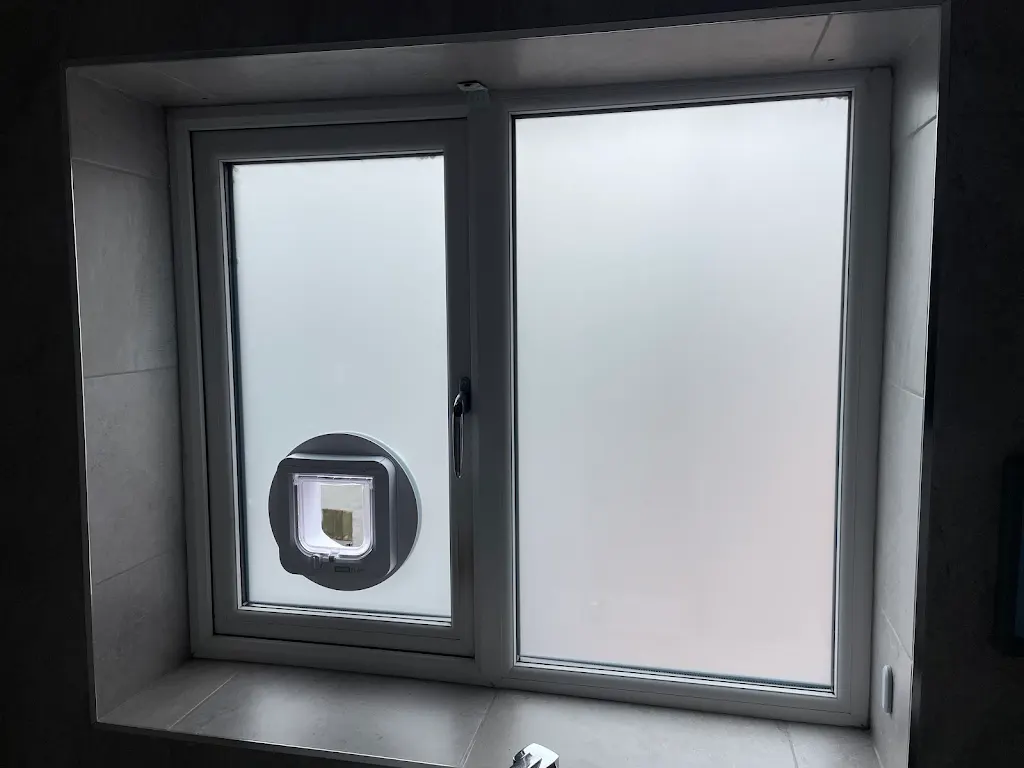
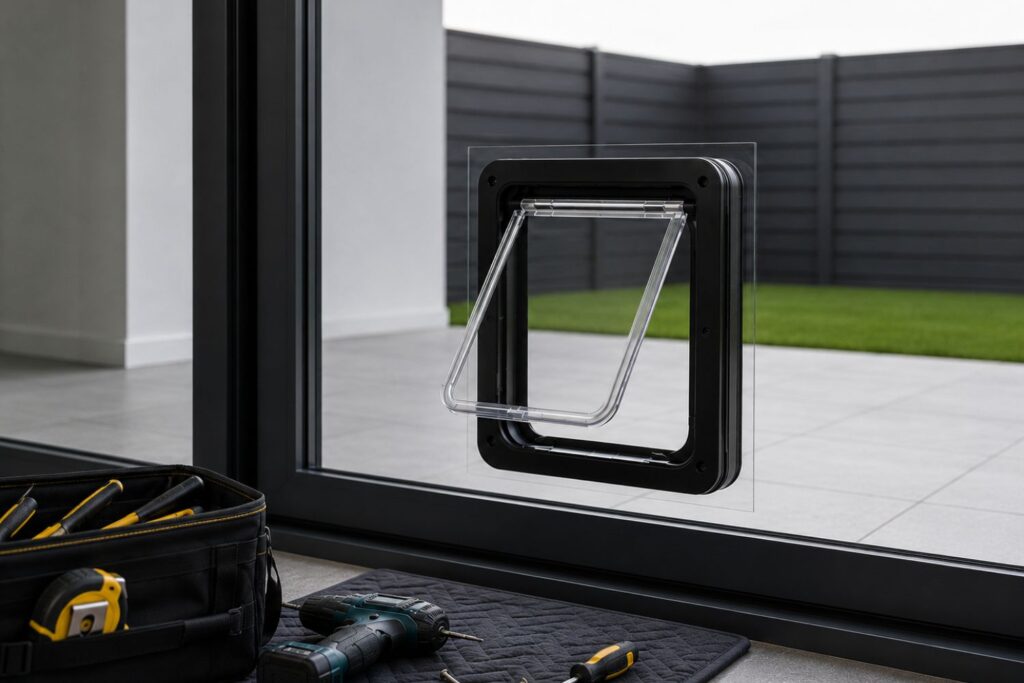
Professional glass installation follows a completely different process. Installers begin by measuring the existing glass panel accurately. A new sealed toughened unit with a pre-cut opening is then manufactured specifically for the installation. Once ready, the original panel is replaced safely, and the cat flap is installed into the prepared opening. This approach protects thermal efficiency, prevents condensation between panes, and ensures compliance with modern safety standards.
How Professionals Protect Insulation and Security
Professional fitting services are designed to maintain the efficiency and security of the property, alongside providing pet access. Proper sealing methods help prevent cold air penetration and maintain internal temperature stability. This is particularly important in modern homes where insulation standards are significantly higher than in older properties.
Security is another major consideration. Poorly fitted cat flaps can weaken doors or create easy access points for unwanted animals. Professional installers reduce this risk through careful placement, secure fastening, and appropriate flap selection. Advanced systems such as microchip cat flaps also provide selective entry controls that improve security in urban or high-traffic areas.
Timeframe and Service Expectations
Installation times vary depending on the material and complexity of the project.
Standard timber door installations are often completed within one to two hours. Reinforced uPVC or composite doors may take longer because additional structural assessment and preparation are required. Glass installations usually involve two stages because the replacement glass unit must first be manufactured before fitting can take place. This means the overall process may extend over several days, depending on production time.
Professional services also include testing, clean finishing, and post-installation guidance to ensure homeowners understand how the flap operates correctly.
Problems Professional Fitters Help Prevent
Professional cat flap fitting services reduce the likelihood of many long-term issues that commonly result from poor installation practices.
- Incorrect measurements are causing unstable fitting
- Broken or damaged double-glazed units
- Weakening reinforced door structures
- Drafts caused by poor sealing
- Water ingress around installation points
- Misalignment is affecting flap movement and durability
Expert Insight from Real Installations
Professional installers regularly repair problems caused by rushed or poorly planned DIY installations. One of the most common issues is incorrect sealing, which often leads to drafts and reduced insulation performance.
Another frequent problem involves poor positioning. Cat flaps installed too high or too low create uncomfortable access for pets and place unnecessary stress on hinges and moving components.
Experienced fitters approach installation with long-term performance in mind rather than simply completing the job quickly. Material assessment, precision alignment, and proper finishing all contribute to a more durable and reliable result.
Final Thoughts
A professional cat flap fitting service involves much more than basic installation. It includes structural assessment, material-specific fitting methods, insulation protection, and precise alignment designed to ensure long-term performance. Whether the project involves timber doors, reinforced uPVC panels, double glazing, or cavity walls, professional fitting reduces risk while delivering a cleaner, safer, and more durable result.
Request Your Free Quote Today
If you need a professional cat flap installer for glass, doors or panels, we are ready to help. We provide dependable pet flap installation with quality workmanship and friendly local service.
Call Now For A Free QuoteFAQs
What should homeowners expect during a professional cat flap fitting appointment?
A professional fitting appointment usually begins with an assessment of the installation surface, including the door, wall, or glass panel. The installer checks measurements, positioning, and structural compatibility before any work starts. During installation, the opening is prepared carefully using material-specific tools, followed by fitting, sealing, and testing the flap to ensure smooth operation and proper insulation.
Why do professional installers replace glass panels instead of cutting existing double glazing?
Double-glazed units are manufactured as sealed insulated systems using toughened glass. Cutting into existing double glazing breaks the seal and damages the structure of the unit, which causes insulation failure and condensation between panes. Professional installers instead replace the panel with a factory-prepared unit designed specifically for cat flap installation.
How does professional cat flap fitting improve insulation performance?
Professional installers use accurate measurements and proper weather-resistant sealing methods to prevent gaps around the flap. This helps reduce drafts, moisture penetration, and heat loss. Correct fitting is especially important in modern energy-efficient homes where insulation performance directly affects indoor comfort and heating costs.
What makes microchip cat flap installation more complex than standard flaps?
Microchip cat flaps rely on sensor alignment and secure fitting to function correctly. If the flap is positioned poorly or installed unevenly, the scanning system may not operate consistently. Professional fitting ensures the flap is aligned properly, sealed securely, and positioned at the correct height for reliable daily use.
Can professional cat flap fitters install flaps into walls as well as doors?
Yes, many professional fitters install cat flaps through cavity walls in addition to doors and glass panels. Wall installations require additional structural assessment because installers must account for insulation layers, wall depth, and hidden obstacles such as pipes or wiring before cutting begins.