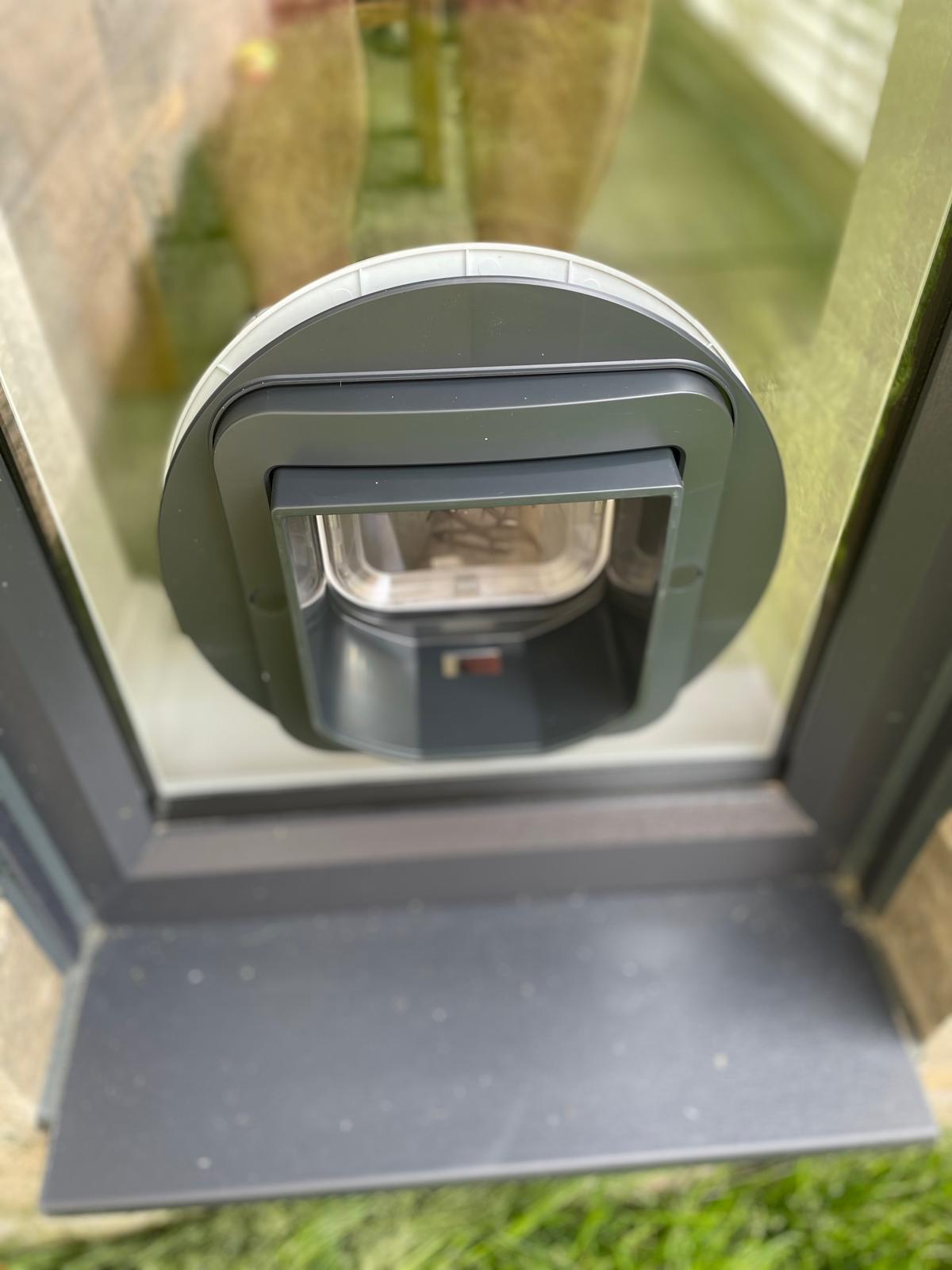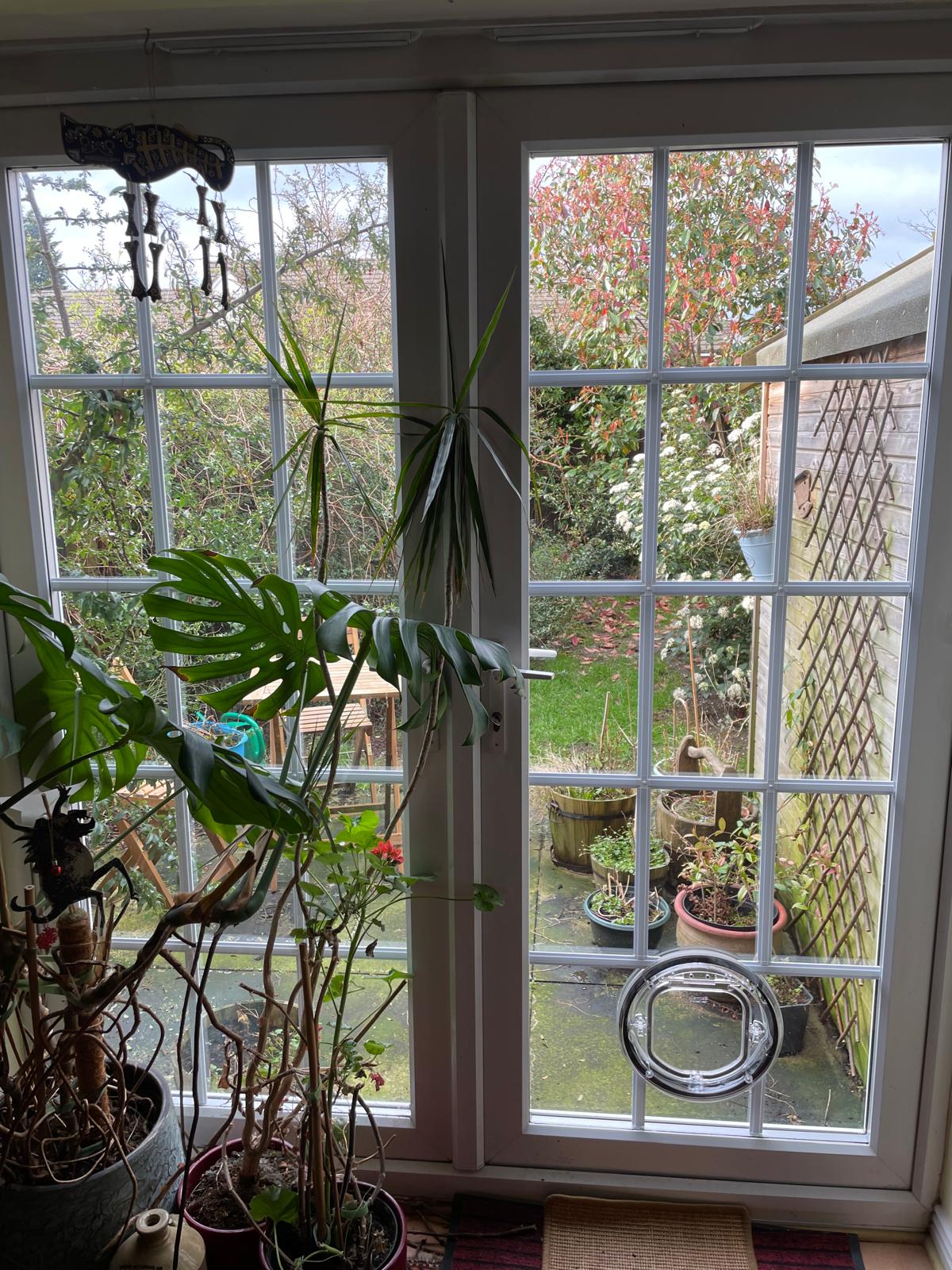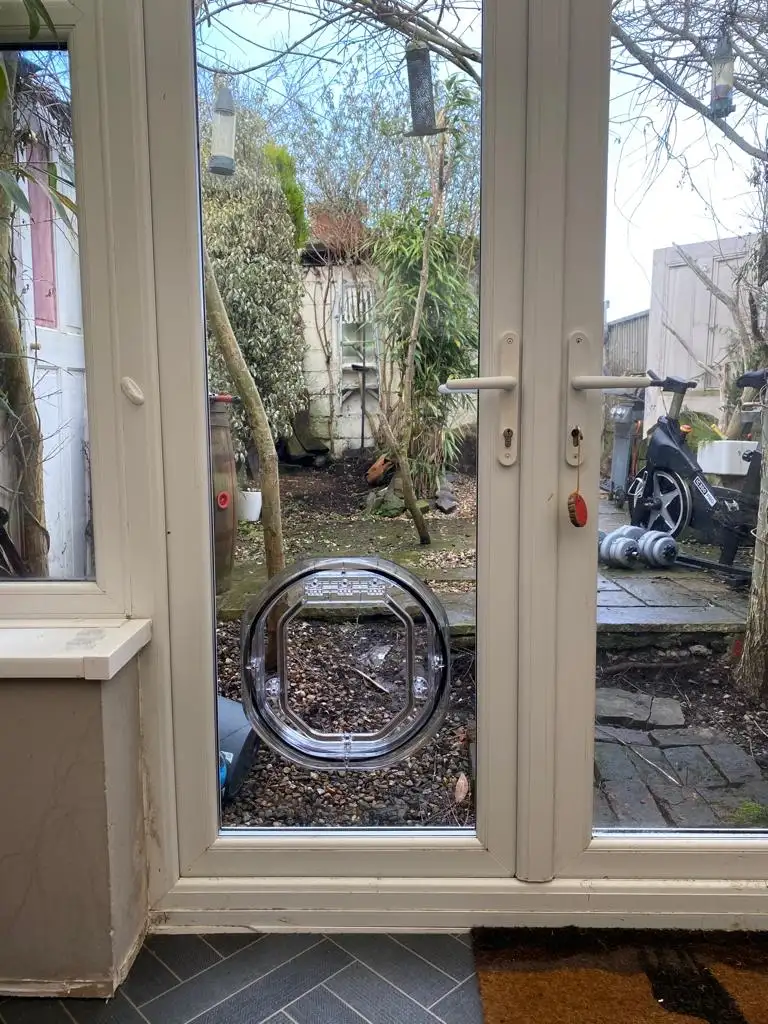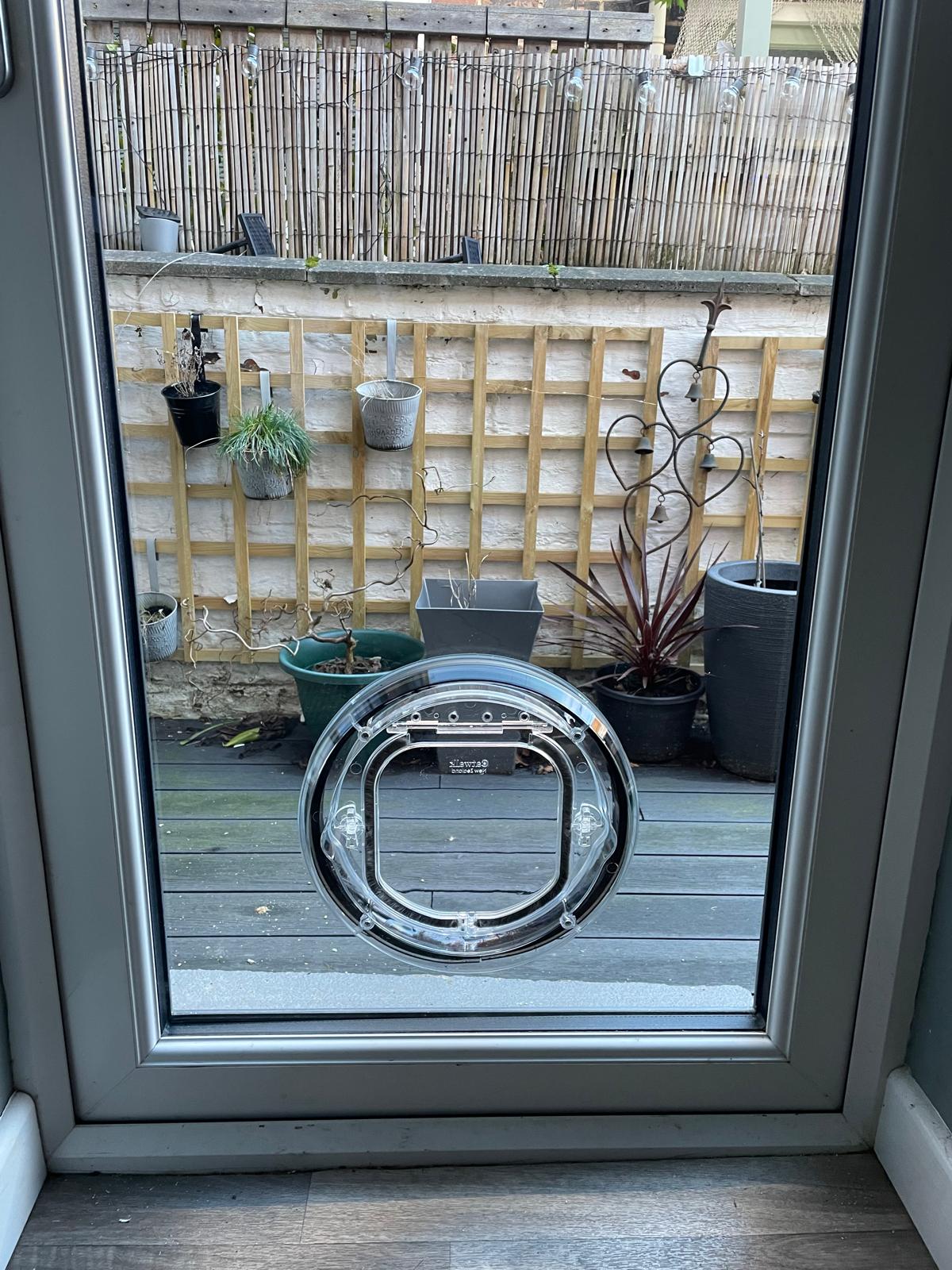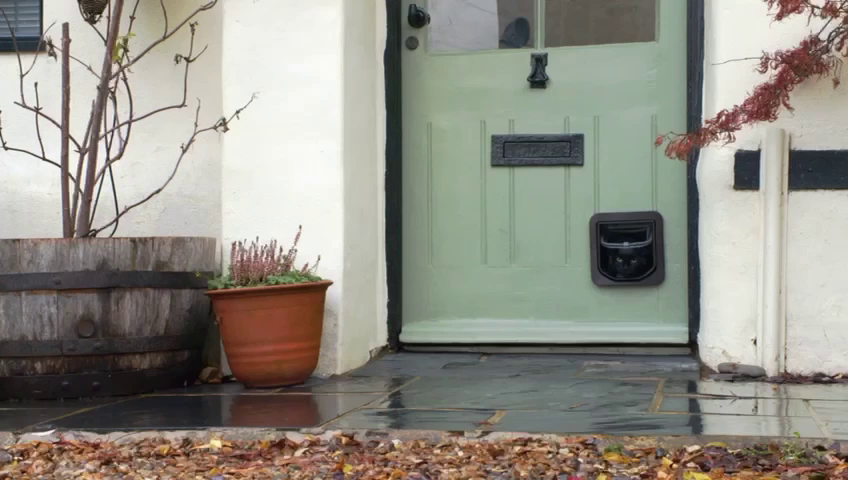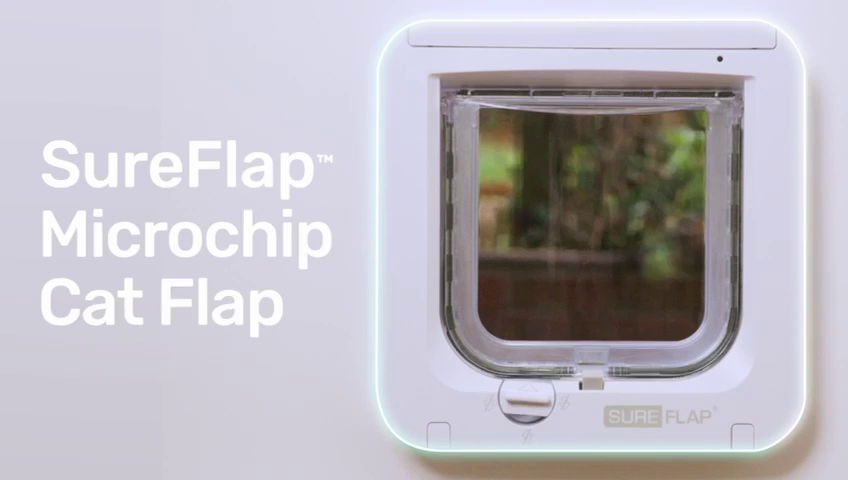
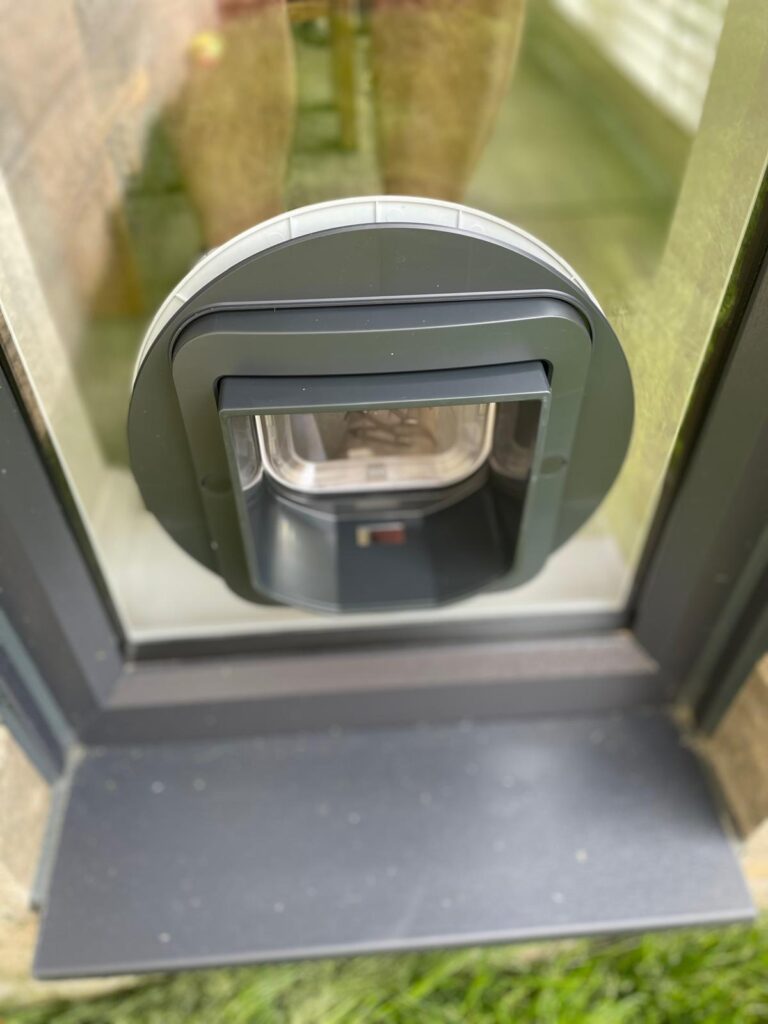
cat flap installed in white uPVC door
Installing a cat flap in a uPVC door is one of the most popular ways to give your pet safe and convenient access to your garden. uPVC doors are durable, low maintenance, and found in thousands of homes across the UK, making them an excellent choice for cat flap installation.
However, not every uPVC door is built the same. Some contain reinforced steel panels, insulation, or decorative sections that require specialist knowledge before installation begins. Understanding these differences helps homeowners make the right decision and avoid costly mistakes.
Table of Contents
- Why Choose a uPVC Door for a Cat Flap?
- Can Every uPVC Door Be Cut?
- The Professional Installation Process
- Common Installation Mistakes
- Benefits of Professional Fitting
- Maintaining Your Cat Flap
- Final Thoughts
- FAQs
Why Choose a uPVC Door for a Cat Flap?
uPVC doors provide an ideal balance between strength, affordability, and ease of installation. When installed correctly, a cat flap allows your pet to move freely while maintaining the appearance and security of your home.
Many homeowners choose uPVC because it offers:
- Excellent weather resistance
- Low maintenance
- Long-lasting durability
- Modern appearance
- Good insulation
Can Every uPVC Door Be Cut?
Not always.
Some uPVC doors have a simple plastic panel that allows straightforward installation. Others include steel reinforcement, insulated cores, or decorative glazing sections that require additional assessment before cutting.
Professional installers inspect the construction of the door before recommending the safest installation method.
In some cases, replacing the lower panel may be a better solution than cutting the existing one.
The Professional Installation Process
A professional installation usually includes the following steps:
Inspection
The installer checks the door construction and confirms the most suitable location.
Accurate Measuring
Correct measurements ensure the cat flap sits at the ideal height for your pet.
Preparing the Opening
Specialist tools are used to create a clean opening without damaging the surrounding panel.
Installation
The cat flap is securely fitted, sealed against the weather, and tested before completion.
Most standard uPVC installations are completed within two hours.
Common Installation Mistakes
DIY installations often lead to problems that could have been avoided.
Common mistakes include:
- Incorrect flap height
- Poor sealing
- Damaging reinforcement
- Weak fixing points
- Misaligned flap movement
These issues may affect security, insulation, and the lifespan of both the door and the cat flap.
Benefits of Professional Fitting
Choosing an experienced installer provides peace of mind.
Benefits include:
- Clean professional finish
- Secure installation
- Weatherproof sealing
- Proper alignment
- Long-lasting performance
Professional fitting also helps preserve the appearance of your door while reducing the risk of costly repairs later.
Maintaining Your Cat Flap
Keeping your cat flap in good condition is simple.
Regularly:
- Clean the flap and frame.
- Remove dirt from hinges.
- Check seals for wear.
- Test locks and moving parts.
- Replace batteries in electronic models when required.
Routine maintenance helps ensure reliable operation throughout the year.
Final Thoughts
Installing a cat flap in a uPVC door is a practical solution for many homeowners, but the quality of the installation is just as important as the flap itself. Professional fitting ensures your door remains secure, weatherproof, and visually appealing while giving your pet the freedom they need.
FAQs
Can every uPVC door have a cat flap installed?
Most can, although reinforced doors may require additional assessment or replacement panels.
Will installing a cat flap weaken my door?
When professionally installed, the door remains secure and functional.
How long does installation take?
Most standard installations are completed within one to two hours.
Can microchip cat flaps be fitted into uPVC doors?
Yes. Most modern microchip cat flaps are suitable for uPVC doors.