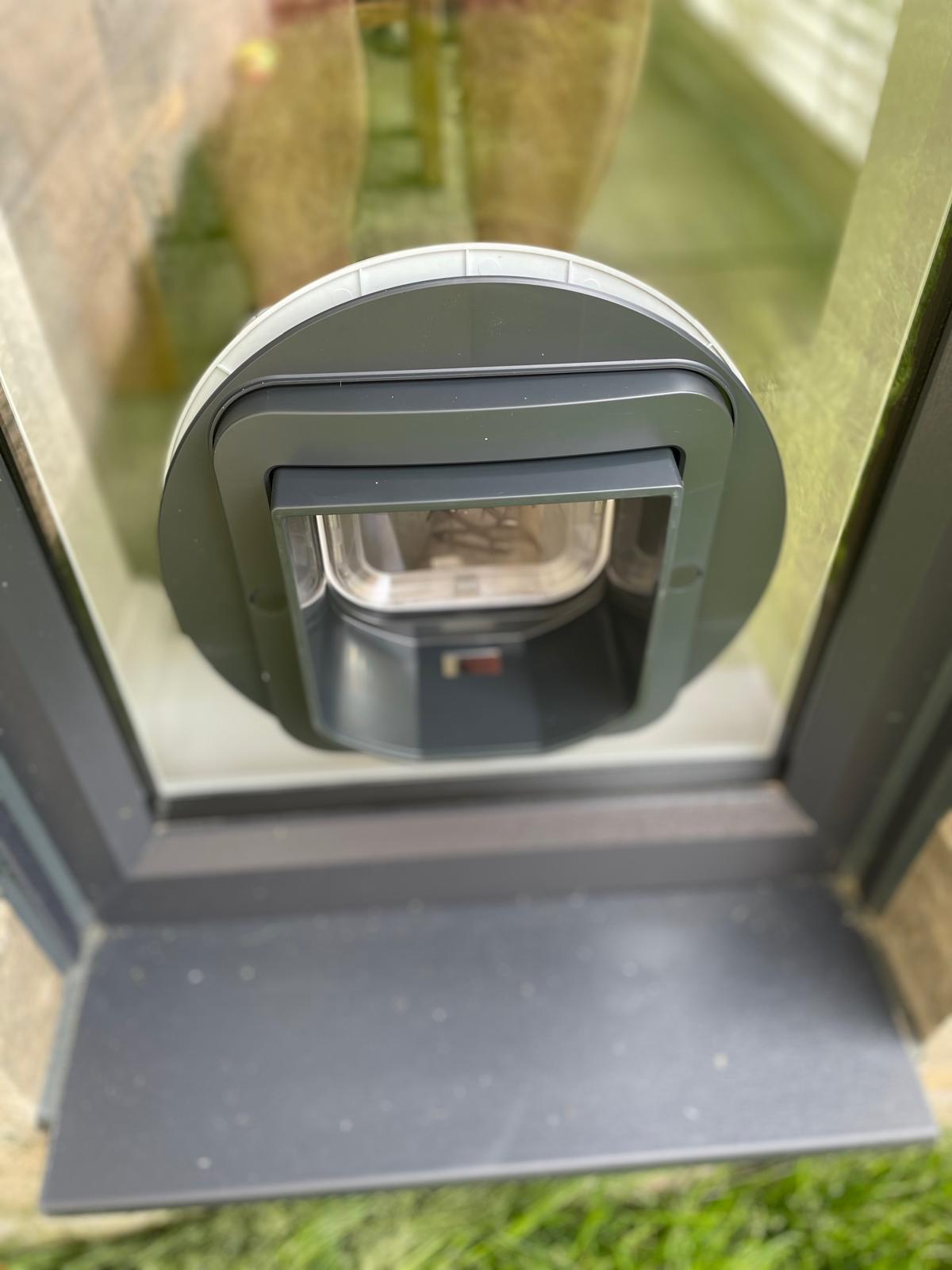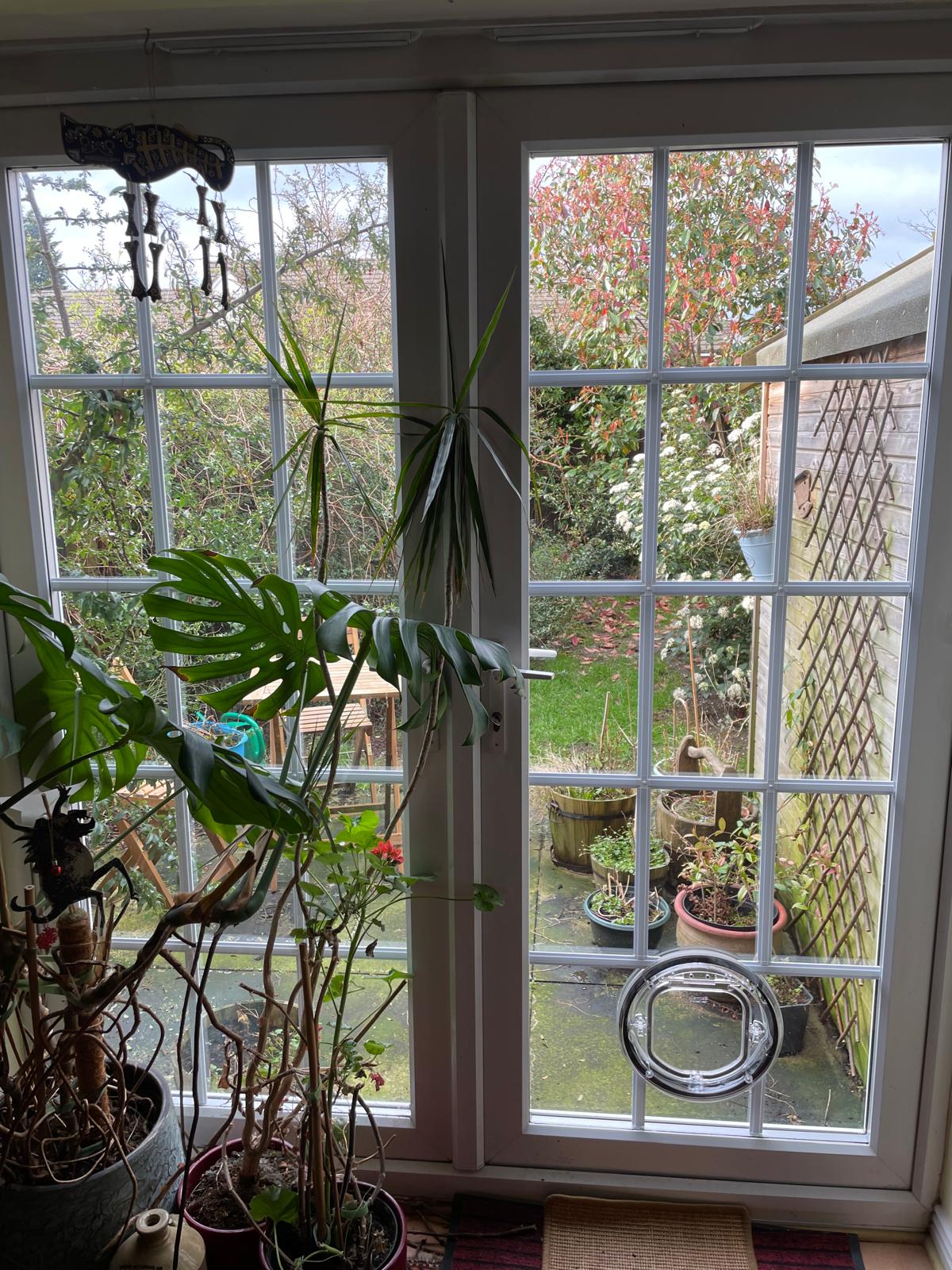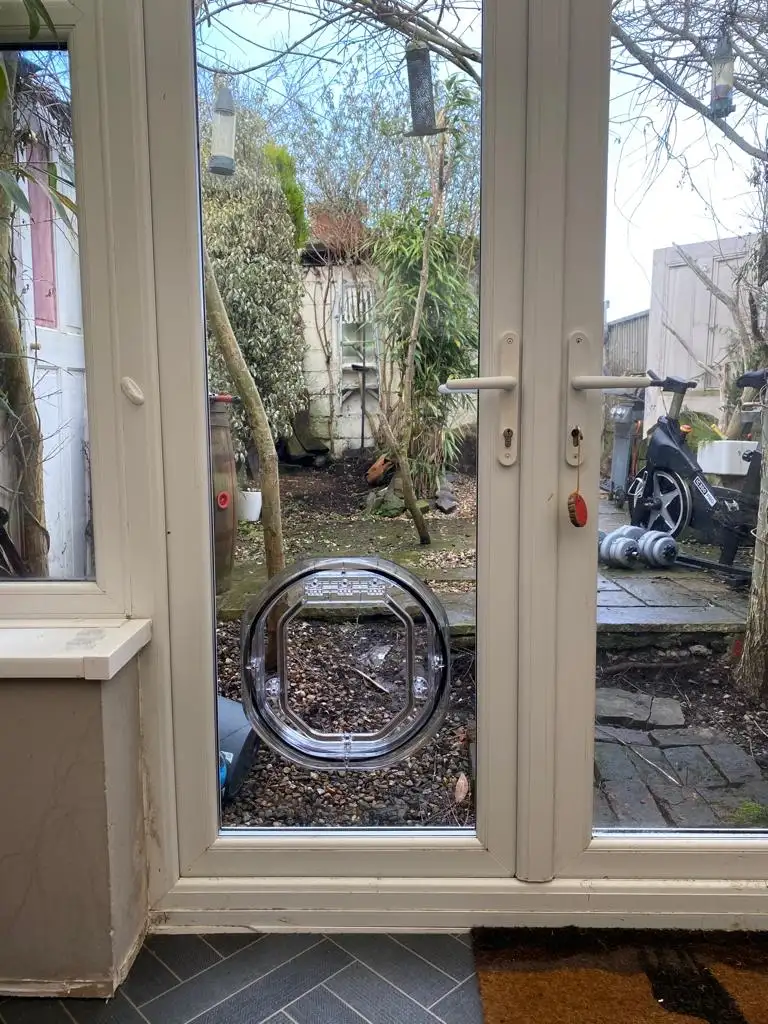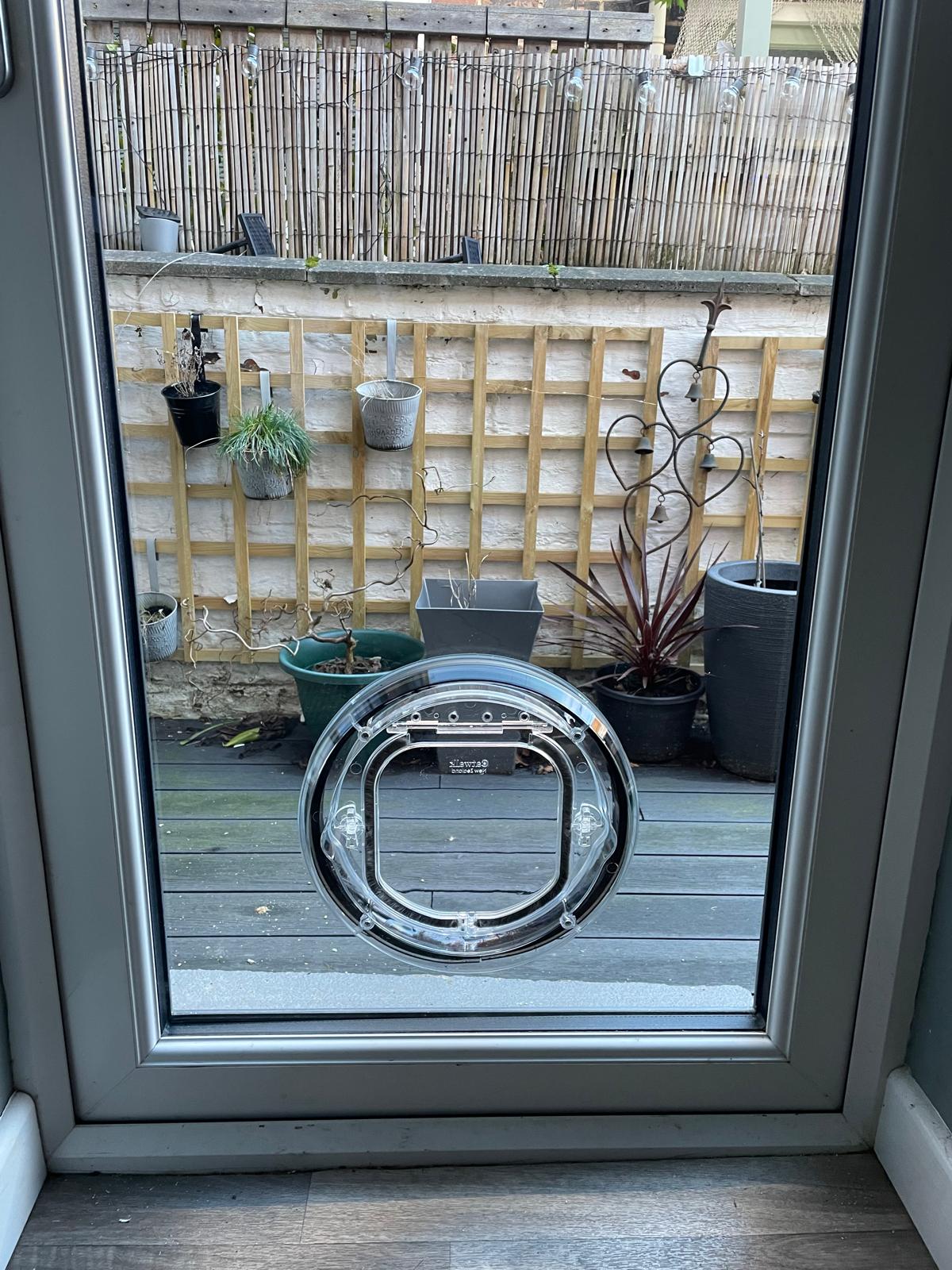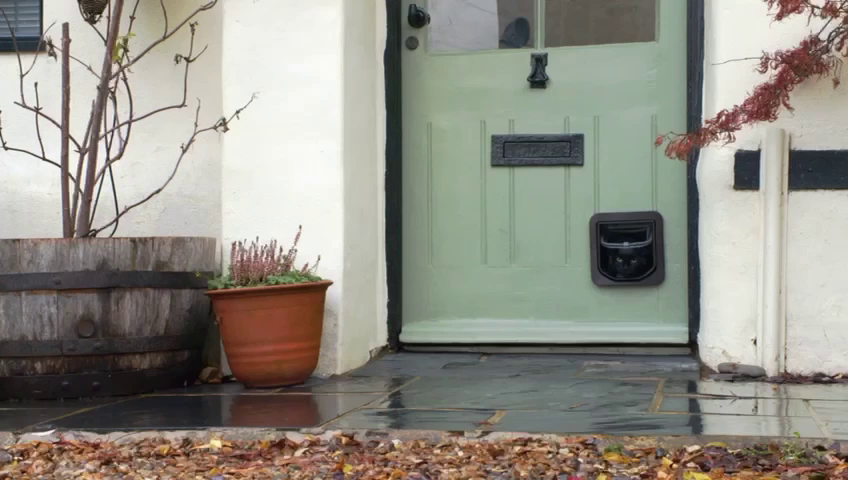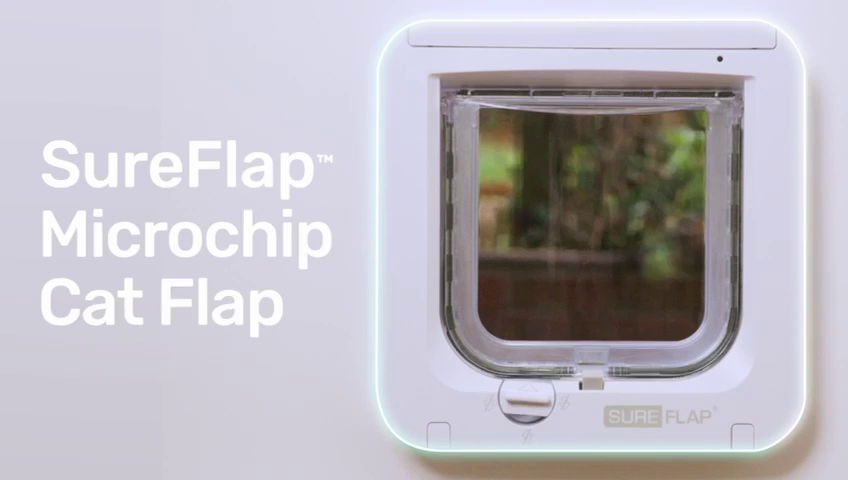

cat flap installed in composite door
Composite doors are known for their strength, durability and insulation, making them a popular choice for UK homes. If you own a cat, you may be considering installing a cat flap to give your pet easy access to the garden.
Although composite doors can often accommodate cat flaps, their construction is different from traditional wooden or simple uPVC doors. Composite doors are made from multiple layers, which means the correct installation method is important.
This guide explains what homeowners should know before installing a cat flap in a composite door.
Table of Contents
- Can You Install a Cat Flap in a Composite Door?
- Why Composite Doors Require Careful Installation
- How the Installation Process Works
- Choosing the Right Cat Flap
- Microchip Cat Flaps for Composite Doors
- Where Should a Cat Flap Be Positioned?
- Professional Installation vs DIY
- Common Problems to Avoid
- Final Thoughts
- FAQs
Can You Install a Cat Flap in a Composite Door?
Yes, many composite doors can have a cat flap installed.
However, the structure of the door needs to be assessed before work begins.
Composite doors typically contain several layers designed to provide strength, insulation and weather resistance. Cutting into the wrong area or using an unsuitable installation method could affect the performance of the door.
A professional installer can determine the safest and most practical location for the cat flap.
Why Composite Doors Require Careful Installation
Composite doors are designed to provide excellent protection against the weather and unwanted access.
Because of their layered construction, installation requires careful preparation.
The installer needs to consider:
- Door thickness
- Internal construction
- Reinforcement
- Cat flap size
- Positioning
- Weather sealing
- Locking and security
Taking these factors into account helps prevent unnecessary damage and ensures the finished installation works correctly.
How the Installation Process Works
A typical professional installation involves several stages.
1. Door Assessment
The installer examines the door to understand its construction and identify a suitable location.
2. Measuring
The cat flap is positioned at an appropriate height for your pet.
3. Preparing the Opening
The opening is carefully created using suitable tools and techniques for the door material.
4. Installing the Cat Flap
The flap is securely fixed into position.
5. Sealing
The surrounding area is sealed to reduce draughts and prevent water ingress.
6. Testing
The installer checks that the flap opens, closes and locks correctly.
Choosing the Right Cat Flap
The best cat flap depends on your pet and your requirements.
Manual Models
Manual cat flaps are straightforward and can be suitable for basic pet access.
Microchip Models
Microchip cat flaps provide additional access control by recognising registered pets.
Lockable Models
These provide greater control over when your pet can use the flap.
When selecting a cat flap, always check that the model is suitable for the thickness and construction of your composite door.
Microchip Cat Flaps for Composite Doors
Microchip cat flaps are particularly useful for homeowners concerned about unwanted animals entering their homes.
The system can identify your registered pet and allow access accordingly.
This can provide greater control than a standard flap, especially in areas where neighbouring cats frequently visit gardens.
Where Should a Cat Flap Be Positioned?
Correct positioning is important for both comfort and appearance.
The opening should be positioned at a suitable height for your cat. The installer should also consider the internal and external surroundings of the door.
For example, you may need to consider:
- Steps outside the door
- Internal flooring
- Furniture
- Radiators
- Door locks
- Structural sections
Planning the position before installation helps avoid unnecessary alterations later.
Professional Installation vs DIY
Composite doors are not always suitable for inexperienced DIY cutting.
An incorrect opening can affect the appearance, insulation or structural performance of the door.
Professional installation provides:
- Accurate measurements
- Appropriate cutting methods
- Secure fitting
- Better sealing
- Correct positioning
- Professional finish
This can also reduce the risk of damaging an expensive composite door.
Common Problems to Avoid
Incorrect Position
A flap positioned too high or too low may be uncomfortable for your pet.
Poor Sealing
Gaps around the frame can allow draughts and moisture into the home.
Wrong Cat Flap Size
The opening should be appropriate for your pet’s size.
Cutting Without Checking the Door Structure
Composite doors contain multiple layers, so the installation area should be assessed first.
Choosing an Incompatible Model
Not every cat flap is suitable for every door thickness or construction.
Final Thoughts
Installing a cat flap in a composite door can provide your pet with convenient access while maintaining the security and appearance of your home.
Because composite doors have a layered construction, careful assessment and professional installation are recommended. Choosing the correct cat flap, positioning it properly and ensuring the installation is securely sealed can help provide reliable long-term performance.
If you’re unsure which cat flap is suitable for your composite door, getting professional advice before purchasing the flap can help prevent unnecessary expense and installation problems.
FAQs
Can a cat flap be installed in a composite door?
Yes, many composite doors are suitable for cat flap installation, subject to their construction and design.
Are microchip cat flaps suitable for composite doors?
Yes. Many microchip models can be installed into suitable composite doors.
Will a cat flap weaken a composite door?
A correctly planned and professionally installed cat flap is designed to provide secure pet access without unnecessary damage to the door.
Can I install a cat flap myself?
Some installations may appear straightforward, but composite doors require careful assessment because of their layered construction.
How long does composite door installation take?
Many straightforward installations can be completed within a few hours, although the exact time depends on the door construction and cat flap selected.