secure weatherproof cat flap installation
A cat flap gives your pet the freedom to enter and leave your home, but an incorrectly fitted or ageing flap can sometimes create unwanted draughts.
Cold air coming through the cat flap can make a room uncomfortable, particularly during the colder months. In some cases, poor sealing can also allow rain, moisture or wind into the property.
Fortunately, there are several things homeowners can check if they notice a draught around their cat flap.
Table of Contents
- Why Does My Cat Flap Have a Draught?
- Common Causes of Cat Flap Draughts
- Can a Cat Flap Affect Home Insulation?
- How to Reduce Draughts
- When Should You Replace a Cat Flap?
- Why Professional Installation Matters
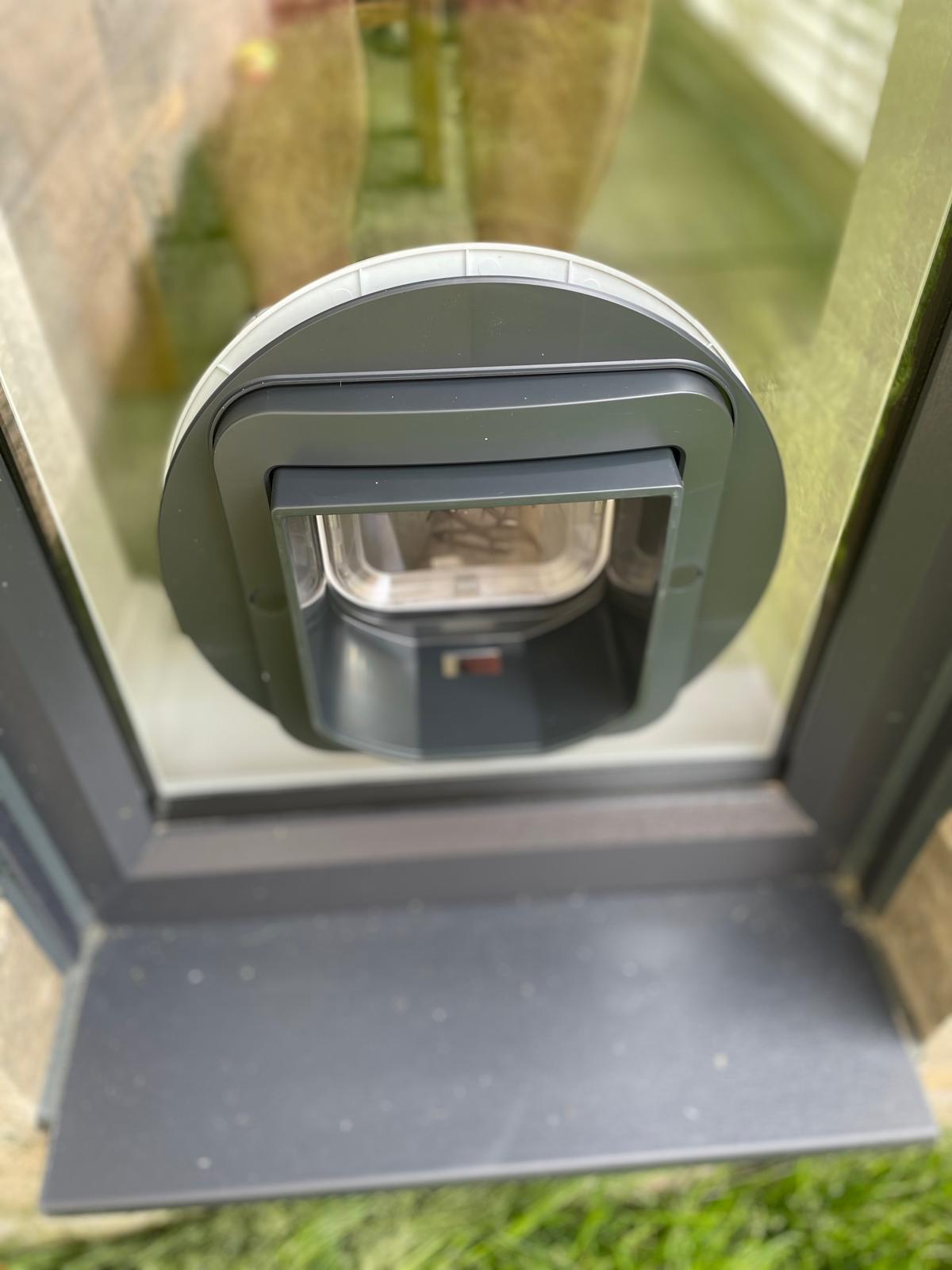
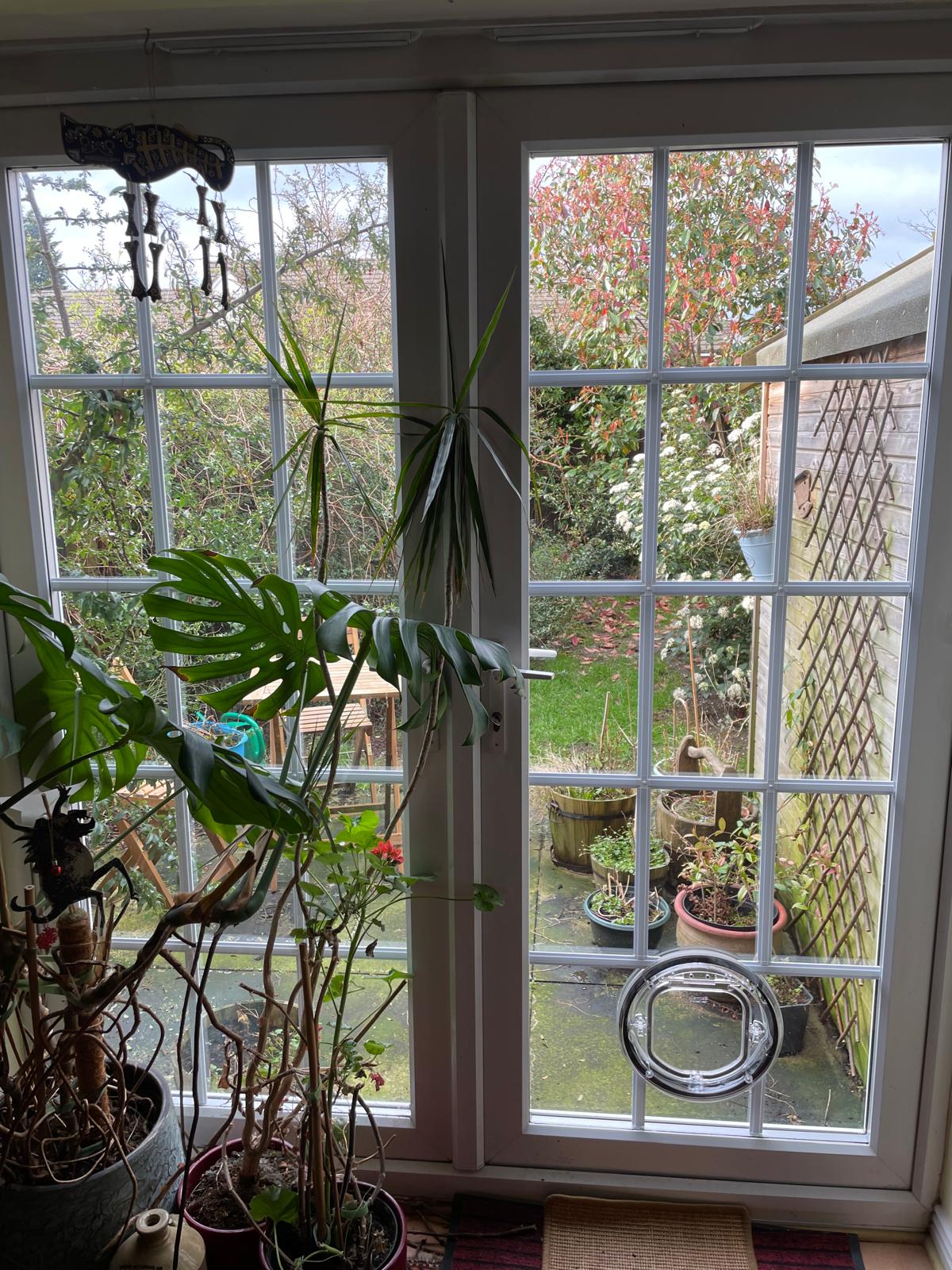
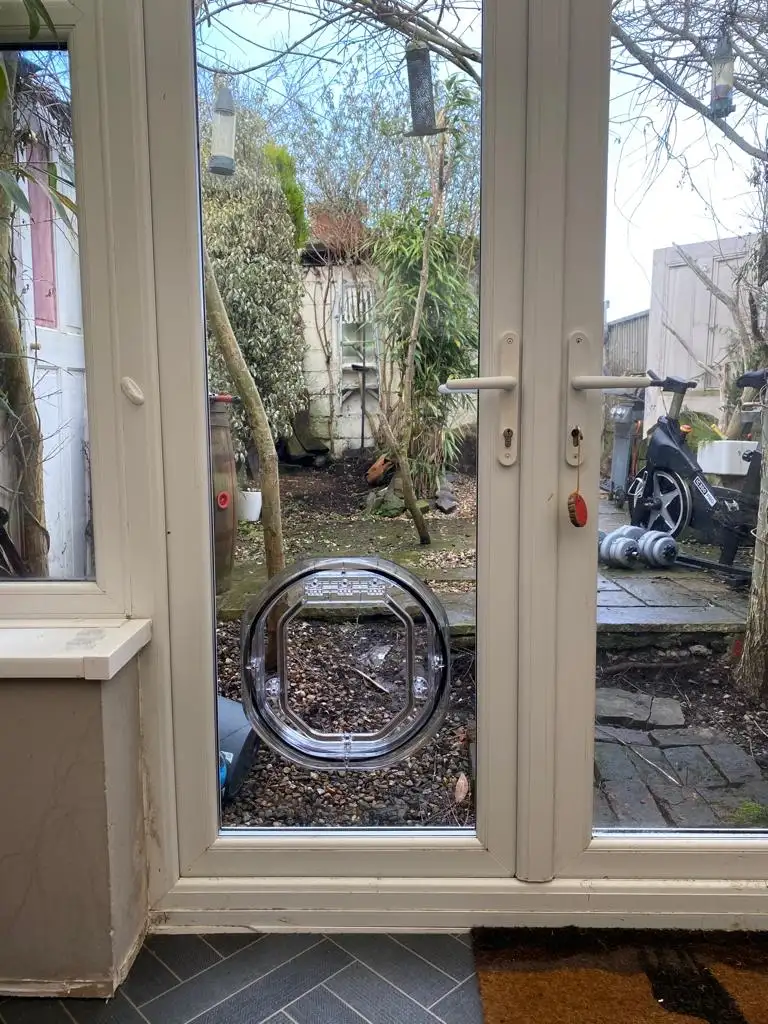
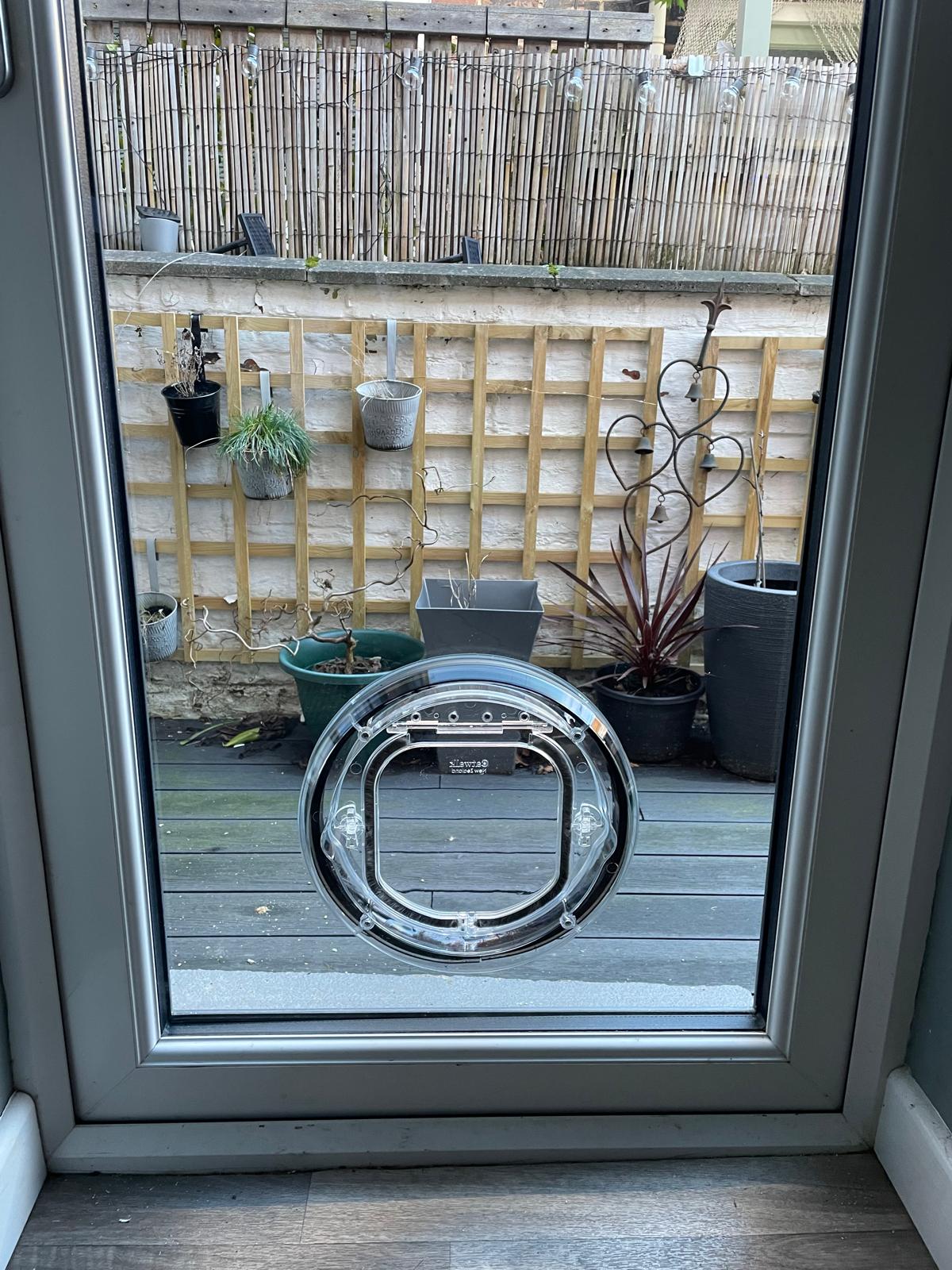
- Cat Flaps in Double Glazing
- Choosing a Weather-Resistant Cat Flap
- Final Thoughts
- FAQs
Why Does My Cat Flap Have a Draught?
A cat flap creates an opening through an external wall, door or glazed panel.
If the flap does not close properly or the surrounding area is poorly sealed, air can pass through the installation.
A small amount of air movement may be normal depending on the design of the flap, but noticeable cold air can indicate that the flap, seals or installation needs attention.
Common Causes of Cat Flap Draughts
Worn Seals
The seals around an older cat flap can deteriorate over time.
Once they become damaged or compressed, they may no longer provide an effective barrier against outside air.
Damaged Flap
A cracked, warped or damaged flap may not close tightly.
Poor Installation
Gaps around the frame can allow air to enter around the edges of the installation.
Incorrectly Sized Cat Flap
A poorly selected flap may not fit correctly within the prepared opening.
Strong Wind Exposure
Cat flaps installed in exposed areas can experience more wind pressure, making effective sealing particularly important.
Can a Cat Flap Affect Home Insulation?
Yes, a poorly sealed cat flap can contribute to unwanted heat loss.
The extent depends on the type of cat flap, its condition, the installation method and the location of the property.
A well-fitted cat flap with suitable seals can help minimise unnecessary air movement.
For installations in doors and glass, proper sealing around the frame is also important.
How to Reduce Draughts
If you notice cold air coming through your cat flap, start by checking the flap itself.
Check the Closing Mechanism
Make sure the flap closes fully after your cat passes through.
Inspect the Seals
Look for cracked, loose or damaged seals.
Clean the Frame
Dirt and debris can prevent the flap from closing correctly.
Check for Gaps
Inspect the area around the cat flap frame for visible gaps.
Consider Replacement
If the cat flap is old or damaged, replacing it may provide better sealing and performance.
When Should You Replace a Cat Flap?
Replacement may be worth considering if you notice:
- Persistent draughts
- Water entering around the flap
- A broken locking mechanism
- Cracked or damaged components
- Difficulty opening or closing
- Excessive movement
- Outdated security features
A modern replacement can provide improved weather protection and security.
Why Professional Installation Matters
Even a high-quality cat flap can cause problems if it is fitted incorrectly.
Professional installation helps ensure the flap is:
- Correctly positioned
- Securely fixed
- Properly aligned
- Effectively sealed
- Tested before completion
This can reduce the likelihood of draughts and other installation-related problems.
Cat Flaps in Double Glazing
Glass installations require additional consideration.
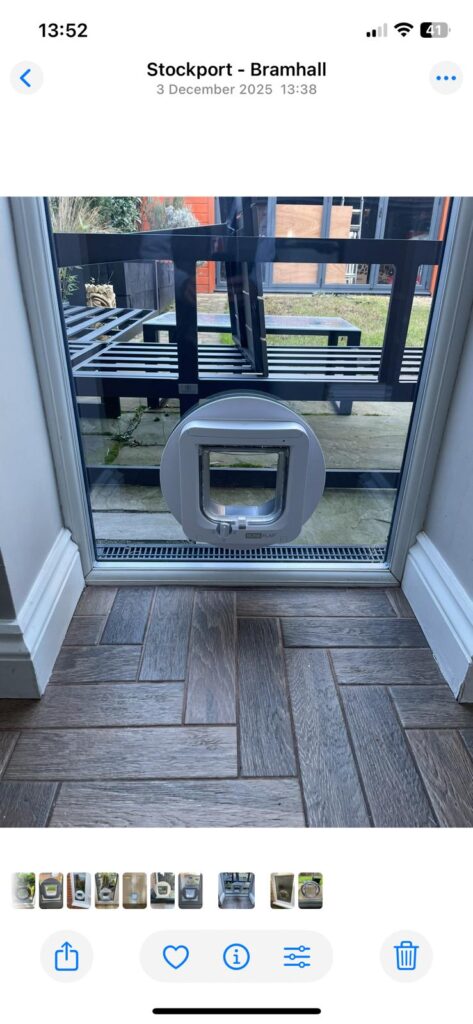
If your cat flap is being installed into double glazing, the existing sealed glass unit generally cannot simply be cut to create an opening.
A new sealed unit can instead be manufactured with a purpose-made opening for the cat flap.
The new glass is then fitted into the existing frame and the cat flap is installed into the prepared opening.
Correct installation and sealing are important to help maintain the performance of the glazing.
Choosing a Weather-Resistant Cat Flap
When selecting a new cat flap, consider features such as:
- Quality weather seals
- Secure closing mechanism
- Durable construction
- Locking options
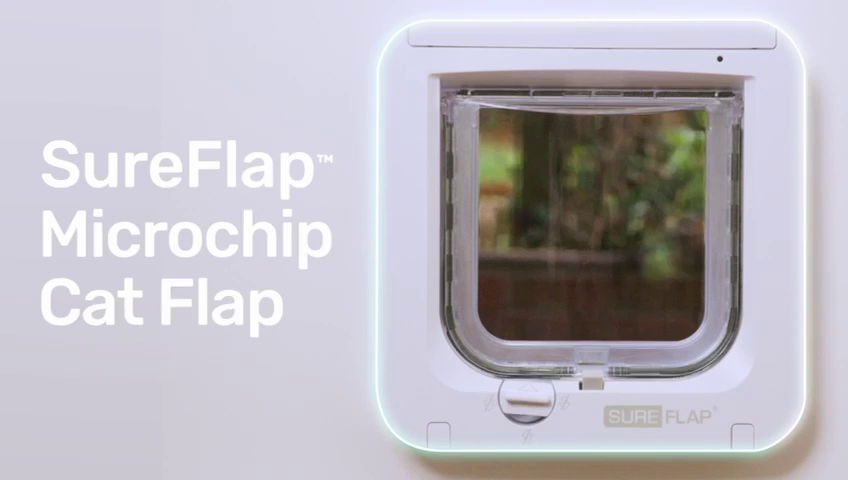
- Microchip access control
- Suitable size for your pet
A microchip cat flap can also provide an additional security benefit by restricting access to registered pets.
Final Thoughts
Cat flap draughts can be caused by worn components, poor sealing, damage or an incorrectly installed flap.
If your existing cat flap is allowing noticeable cold air or moisture into your home, checking the flap and surrounding installation is a good starting point.
For older or damaged installations, replacing the cat flap may provide better security, weather protection and everyday performance.
When installing a cat flap into double glazing, using a bespoke replacement sealed glass unit and professional fitting can help ensure the finished installation remains secure, insulated and weather-resistant.
FAQs
Why is cold air coming through my cat flap?
Possible causes include worn seals, a damaged flap, gaps around the frame or an incorrectly fitted installation.
How can I make my cat flap less draughty?
Check the seals, clean the frame and make sure the flap closes correctly. If the components are worn or damaged, replacement may be the best option.
Are some cat flaps better for draught prevention?
Models with good-quality seals and a secure closing mechanism can provide better protection against outside air.
Can a cat flap cause heat loss?
A poorly sealed installation can allow unwanted air movement. Proper fitting and suitable weather seals can help reduce this.
Can draughts around a glass cat flap be fixed?
If the problem is related to the cat flap or sealing, it may be possible to address it. If the glass unit or opening needs changing, a bespoke replacement sealed unit may be required.