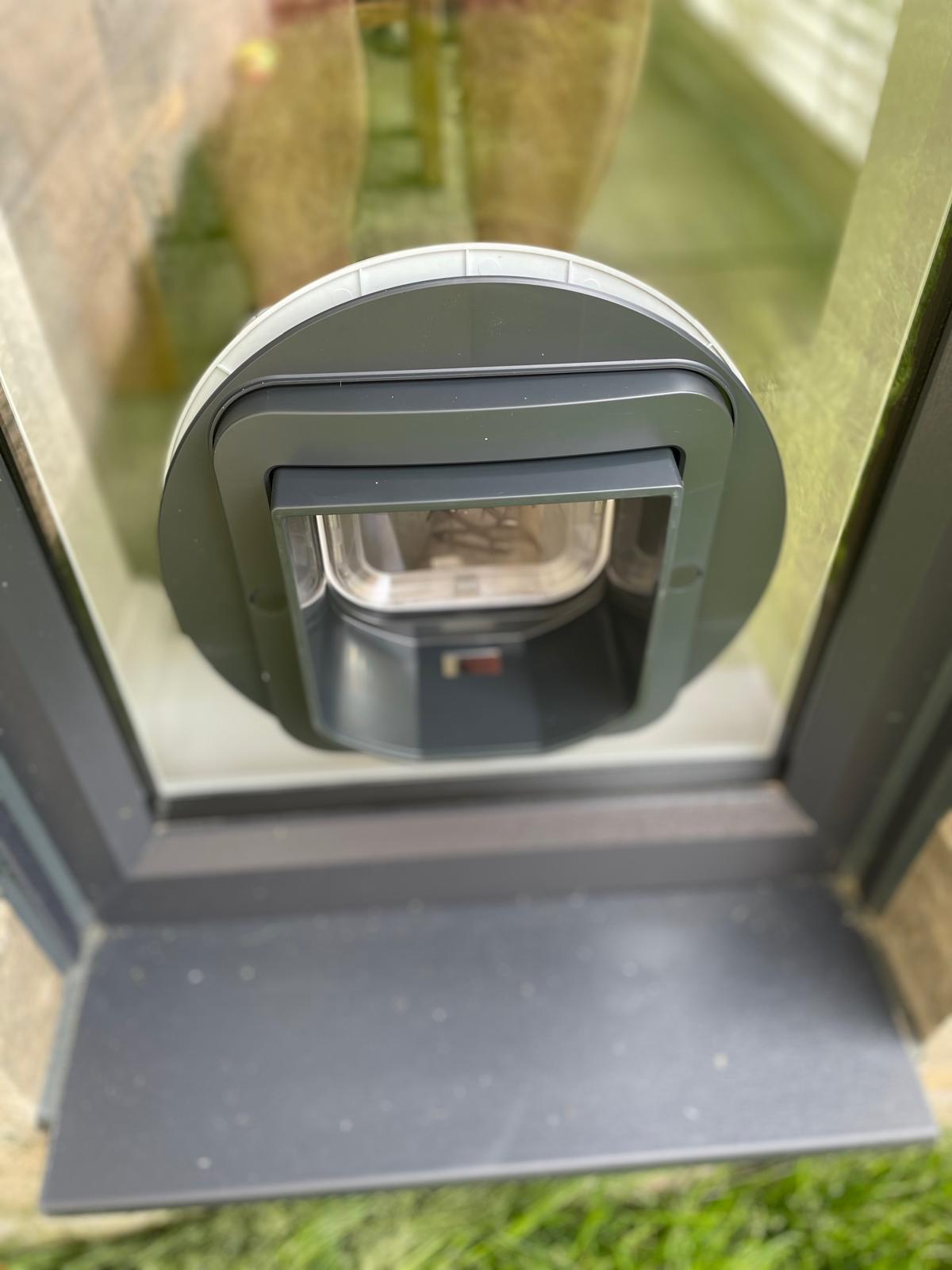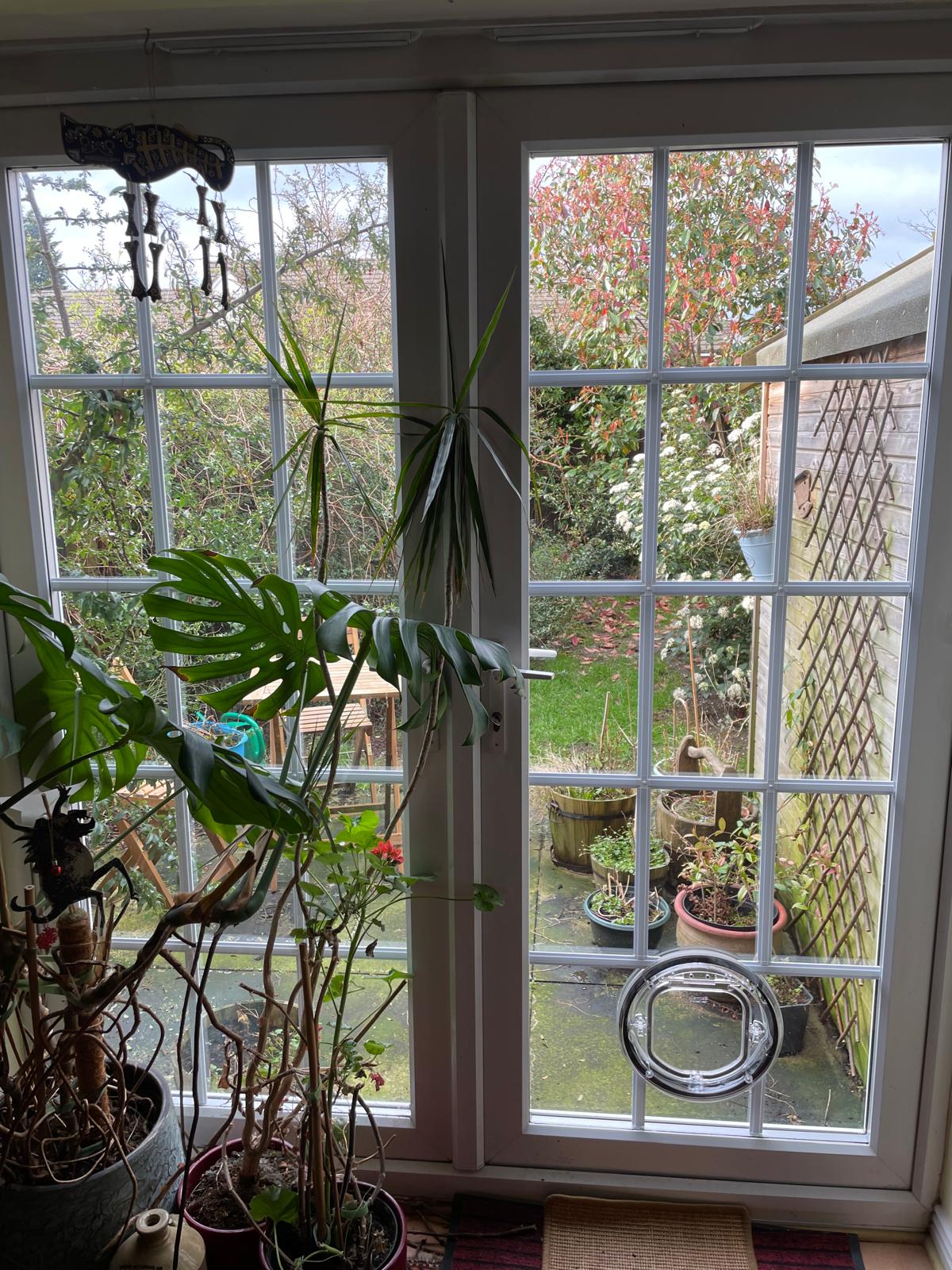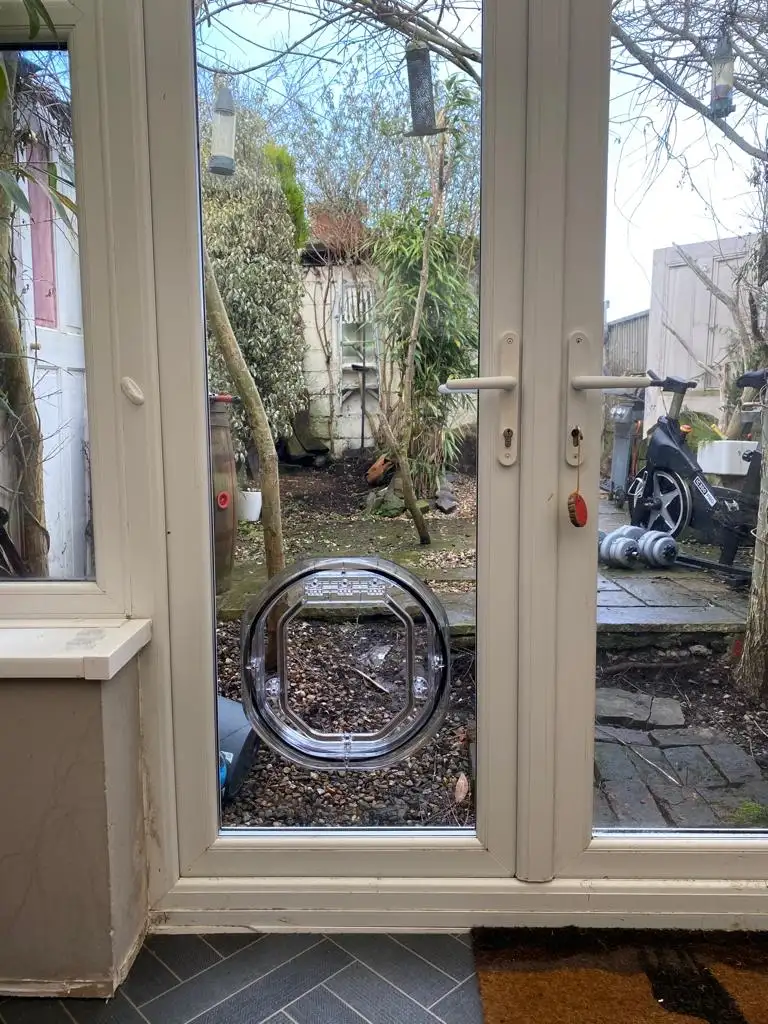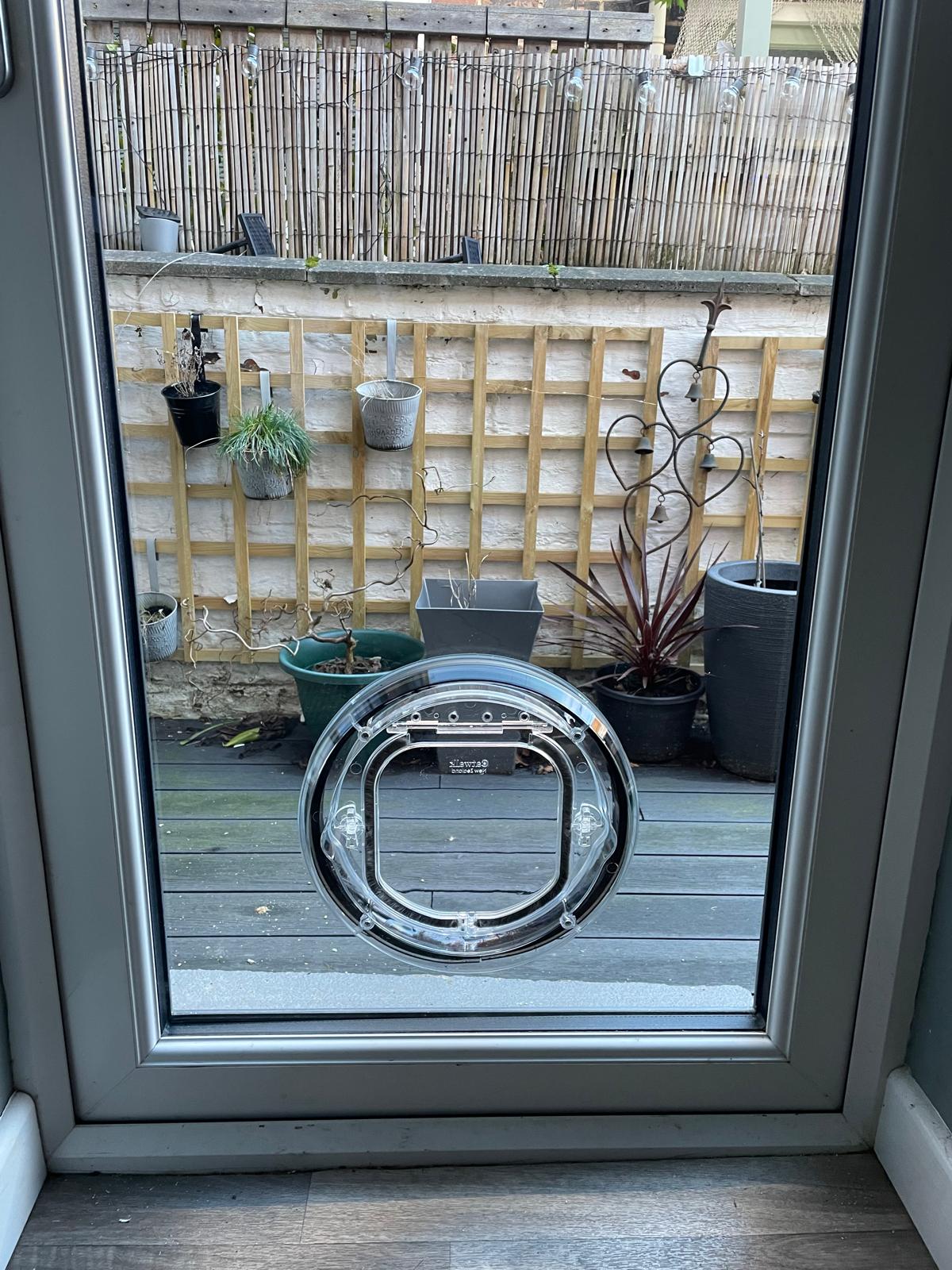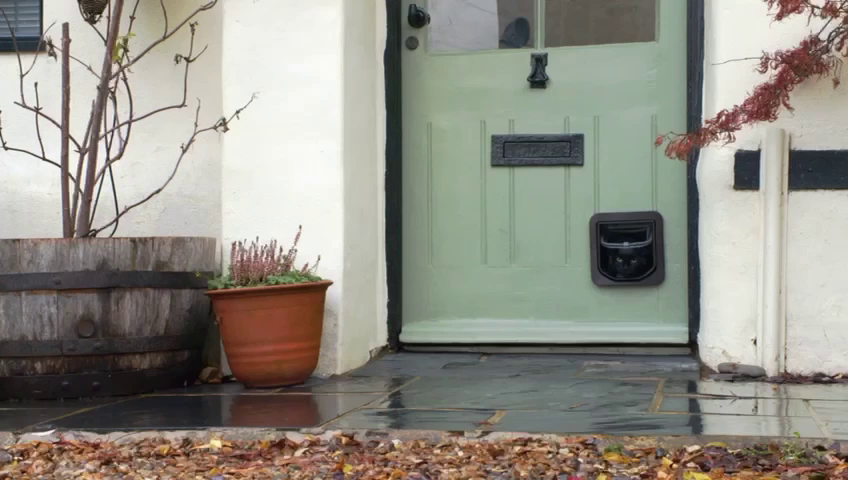
cat flap installed in composite door
Composite doors are popular throughout the UK because they offer a combination of durability, insulation, security and attractive design. If you own a composite door and want to give your cat independent access to the garden, installing a cat flap can be an excellent solution.
However, composite doors are constructed differently from simple wooden or uPVC doors. They typically contain several layers and may include reinforced sections, insulation and decorative finishes.
Because of this, careful planning is important before installing a cat flap.
This guide explains what homeowners should know about installing a cat flap in a composite door.
Table of Contents
- Can You Install a Cat Flap in a Composite Door?
- Why Composite Doors Require Careful Installation
- Choosing the Right Location
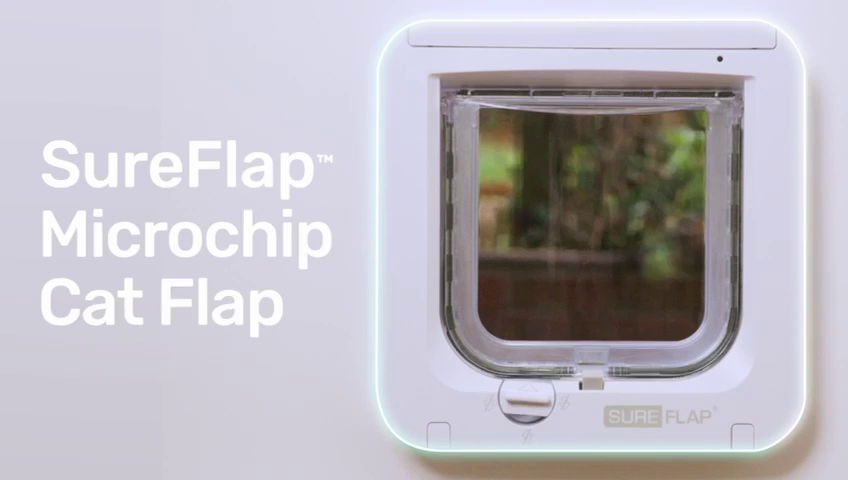
- Can a Microchip Cat Flap Be Installed?
- The Professional Installation Process
- Common Problems With Poor Installation
- Benefits of Professional Fitting
- What If the Door Has Glass?
- Final Thoughts
- FAQs
Can You Install a Cat Flap in a Composite Door?
Yes, many composite doors can accommodate a cat flap.
However, the exact installation method depends on the construction and design of the door.
Before cutting or modifying anything, the installer should assess the door and identify the most suitable position for the cat flap.
In some situations, replacing a suitable door panel may be preferable to cutting into the existing structure.
Why Composite Doors Require Careful Installation
Composite doors are designed to provide strong security and good thermal performance.
Their construction can include:
- Outer decorative skins
- Insulation
- Reinforcement
- Internal structural layers
Incorrect cutting or poor installation can potentially affect the appearance, insulation or strength of the door.
For this reason, professional assessment is particularly important.
Choosing the Right Location
The position of the cat flap should be suitable for both your pet and the door.
The installer needs to consider:
- Your cat’s height
- Door construction
- Internal reinforcement
- Available panel space
- Nearby locks or hardware
- Exterior access
The cat flap should be positioned at a comfortable height so your cat can pass through naturally.
Can a Microchip Cat Flap Be Installed?
Yes, microchip cat flaps can be suitable for composite doors.
They offer an additional level of access control by recognising your registered pets.
This can help prevent other cats from entering your property.
When selecting a microchip cat flap, check the manufacturer’s fitting requirements to ensure the model is suitable for the thickness and construction of your composite door.
The Professional Installation Process
A professional installation typically involves several stages.
1. Door Assessment
The installer examines the door to understand its construction and determine whether direct fitting or another solution is most appropriate.
2. Cat Flap Selection
The correct cat flap is selected based on your pet’s size and the door’s specifications.
3. Positioning
The ideal height and position are marked.
4. Preparing the Door
The required opening is created using appropriate tools and methods for the door construction.
5. Fitting the Cat Flap
The cat flap is securely installed and aligned correctly.
6. Sealing and Testing
The installation is checked for secure fixing, smooth operation and effective sealing.
Common Problems With Poor Installation
Incorrect installation can result in several problems.
Draughts
Poor sealing can allow cold air to enter through the installation.
Water Ingress
Gaps around the cat flap can allow rainwater into the door.
Poor Alignment
An incorrectly positioned flap may be difficult for your cat to use.
Door Damage
Incorrect cutting can damage the decorative or structural layers of the door.
Security Problems
Poorly fitted locking mechanisms may reduce the effectiveness of the cat flap.
These issues can often be avoided through proper assessment and professional installation.
Benefits of Professional Fitting
A professional installer can provide:
- Accurate measurements
- Suitable positioning
- Clean cutting
- Secure fixing
- Proper sealing
- Correct alignment
- Reliable operation
Professional fitting is particularly useful when the door has a complex construction or when you are installing an electronic cat flap.
What If the Door Has Glass?
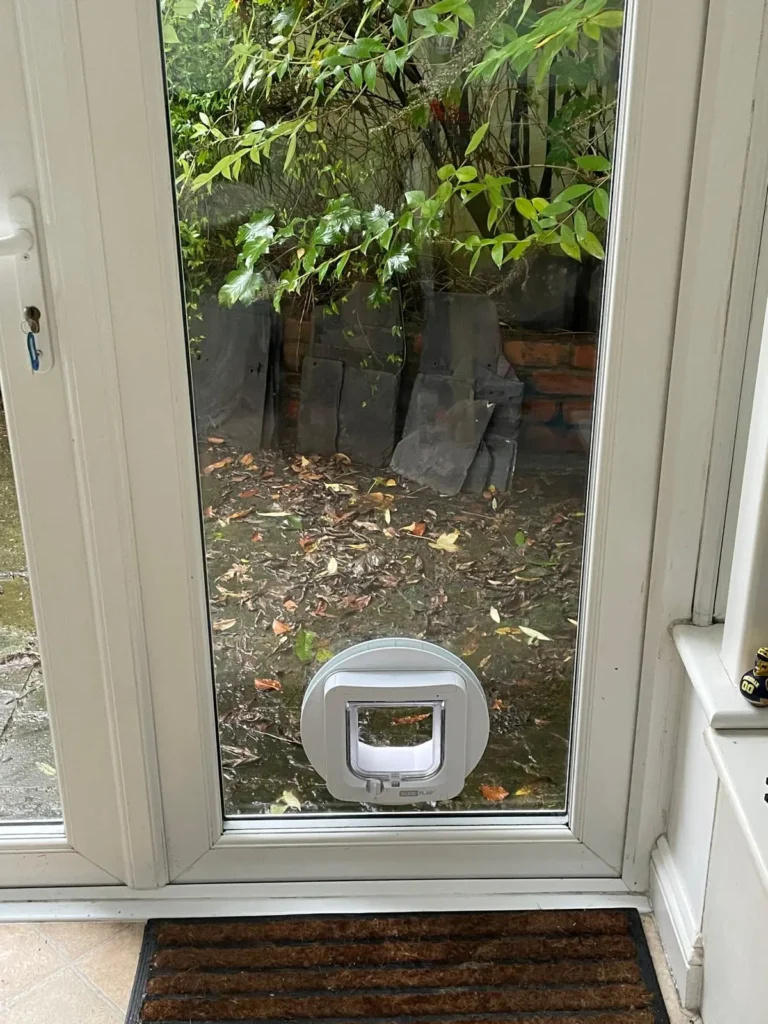
Some composite doors contain glazed sections.
If you want a cat flap installed into the glass rather than the composite panel, the process is different.
For double-glazed glass, a new bespoke sealed unit may need to be manufactured with the required cat flap opening.
The existing sealed unit should not normally be cut after manufacture.
This allows the replacement glass to maintain its sealed construction and provides a clean finished installation.
Final Thoughts
A cat flap can be a practical addition to a composite door, giving your pet greater freedom while making everyday life easier for homeowners.
Because composite doors have a layered construction, the installation should be planned carefully to avoid affecting the door’s appearance, insulation or security.
Whether you choose a manual or microchip cat flap, professional fitting can provide a neat, secure and long-lasting result.
FAQs
Can you put a cat flap in a composite door?
Yes, many composite doors can accommodate cat flaps, although the door construction should be assessed before installation.
Can a microchip cat flap be fitted in a composite door?
Yes. Many microchip models are suitable for composite doors, subject to the manufacturer’s fitting requirements.
Will a cat flap weaken a composite door?
A correctly planned and professionally installed cat flap is designed to provide a secure installation without unnecessarily compromising the door.
Can a cat flap be installed into the glass section of a composite door?
Yes, where the glazing is suitable. A replacement sealed glass unit with a purpose-made opening may be required.
How long does composite door installation take?
The installation time depends on the door construction, cat flap model and preparation required. A professional installer can provide a more accurate timeframe after assessing the door.