Do You Need a Professional Cat Flap Installer?
Installing a cat flap looks simple at first glance. Many homeowners assume it is just a matter of cutting a hole and fitting a flap. In reality, the process is far more technical, especially when dealing with modern doors, double glazing, or insulated structures. The decision between a professional cat flap installer vs DIY is not just about saving money. It is about avoiding costly mistakes, maintaining your home’s efficiency, and ensuring long-term performance.
If you are considering installing a cat flap, this guide will help you understand what is actually involved, where DIY works, where it fails, and why professional installation often delivers better value over time.
What Cat Flap Installation Actually Involves
Cat flap installation is not a one-size-fits-all process. The complexity changes based on the structure you are working with. A timber door behaves very differently from uPVC, and both are completely different from sealed glass units.
The process includes accurate measurement, correct positioning, structural assessment, cutting or replacing materials, sealing, and ensuring the flap operates smoothly. Positioning alone is more important than most people realize. If the flap is installed too high or too low, it can make it uncomfortable for your cat and reduce usability over time.
Another key factor is sealing. A poorly sealed cat flap allows cold air, moisture, and even insects to enter. This impacts insulation and indoor comfort, especially in homes with energy-efficient designs.
Before starting, it is also important to choose the right type of flap for your door and your pet’s needs. Our Complete Guide to Choosing the Right Cat Flap will help you understand the different options available and make the best decision before installation.
DIY Cat Flap Installation: Expectations vs Reality
DIY installation is often appealing because it seems cost-effective and quick. Many online tutorials show simple installations on wooden doors, which creates the impression that the process is easy in all cases.
However, what is often not shown is the margin for error. Even a small measurement mistake can result in a loose fit or permanent damage to the door. Cutting into uPVC without understanding its internal structure can weaken the panel. Attempting to modify glass without proper tools or preparation can lead to breakage or complete replacement.
Over time, DIY installations can lead to problems that are not immediately visible. Drafts, misalignment, and poor sealing often appear weeks or months later, requiring additional repairs.
Professional Installation: What You Are Really Paying For
Hiring a professional is not just about convenience. It is about expertise, precision, and long-term reliability. A trained installer understands how different materials behave and how to approach each installation safely.
Professionals begin with an assessment. They evaluate the door type, thickness, reinforcement, and positioning. This ensures that the installation does not compromise the structure or insulation of your home. They also use proper tools that allow clean cutting and accurate fitting, which is difficult to achieve with basic DIY equipment.
Another major advantage is finishing quality. A professionally installed cat flap sits flush, seals properly, and operates smoothly. This reduces wear and extends the lifespan of both the flap and the surrounding structure.
If you are considering a hassle-free option with expert fitting and guaranteed results, explore our Cat Flap Installation Services to see how professional installation can save you time and prevent costly mistakes.
Request Your Free Quote Today
If you need a professional cat flap installer for glass, doors or panels, we are ready to help. We provide dependable pet flap installation with quality workmanship and friendly local service.
Call Now For A Free QuoteWhy Door Type Changes Everything
Wooden Doors
Wood is the most forgiving material. It allows straightforward cutting and fitting, making it suitable for simple installations. However, even with wood, poor alignment or sealing can lead to long-term issues such as drafts and structural weakening.
uPVC and Composite Doors
uPVC doors often contain reinforced sections. Cutting into these areas without proper knowledge can damage the door’s internal structure. In some cases, installers replace a panel instead of cutting into it, which ensures strength is maintained.
Glass and Double Glazing
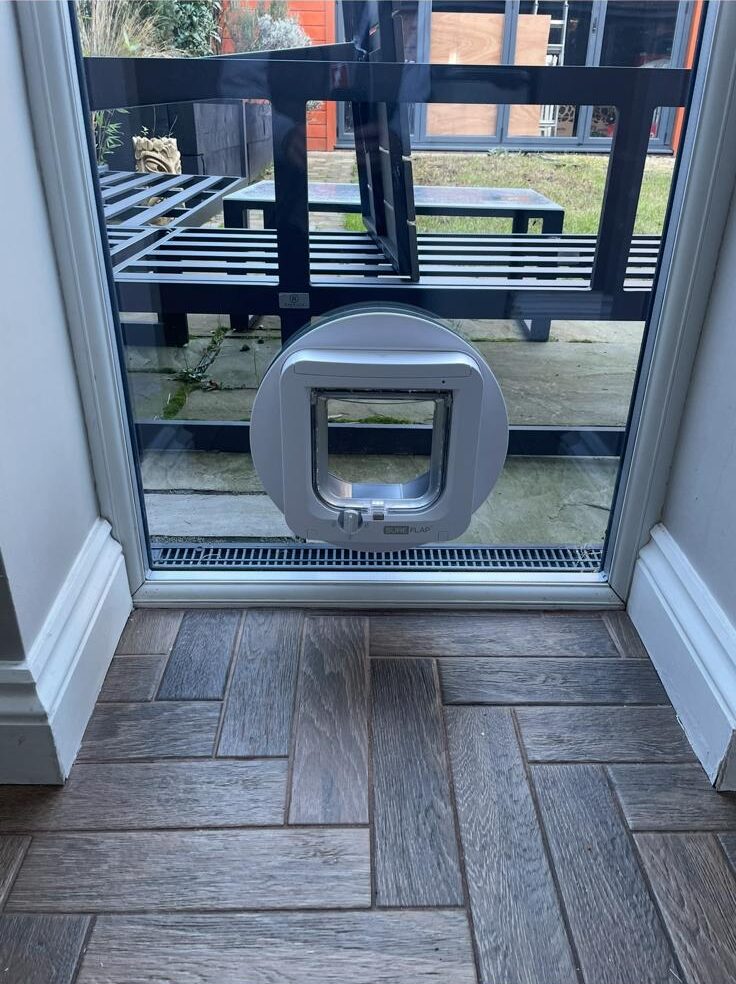
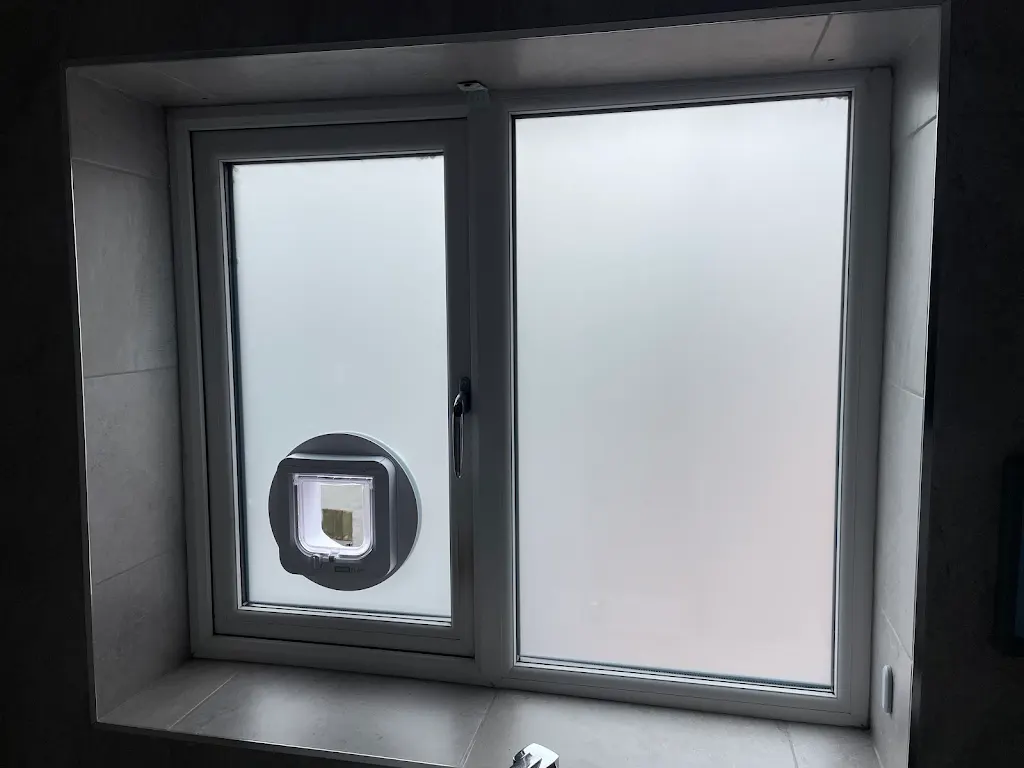
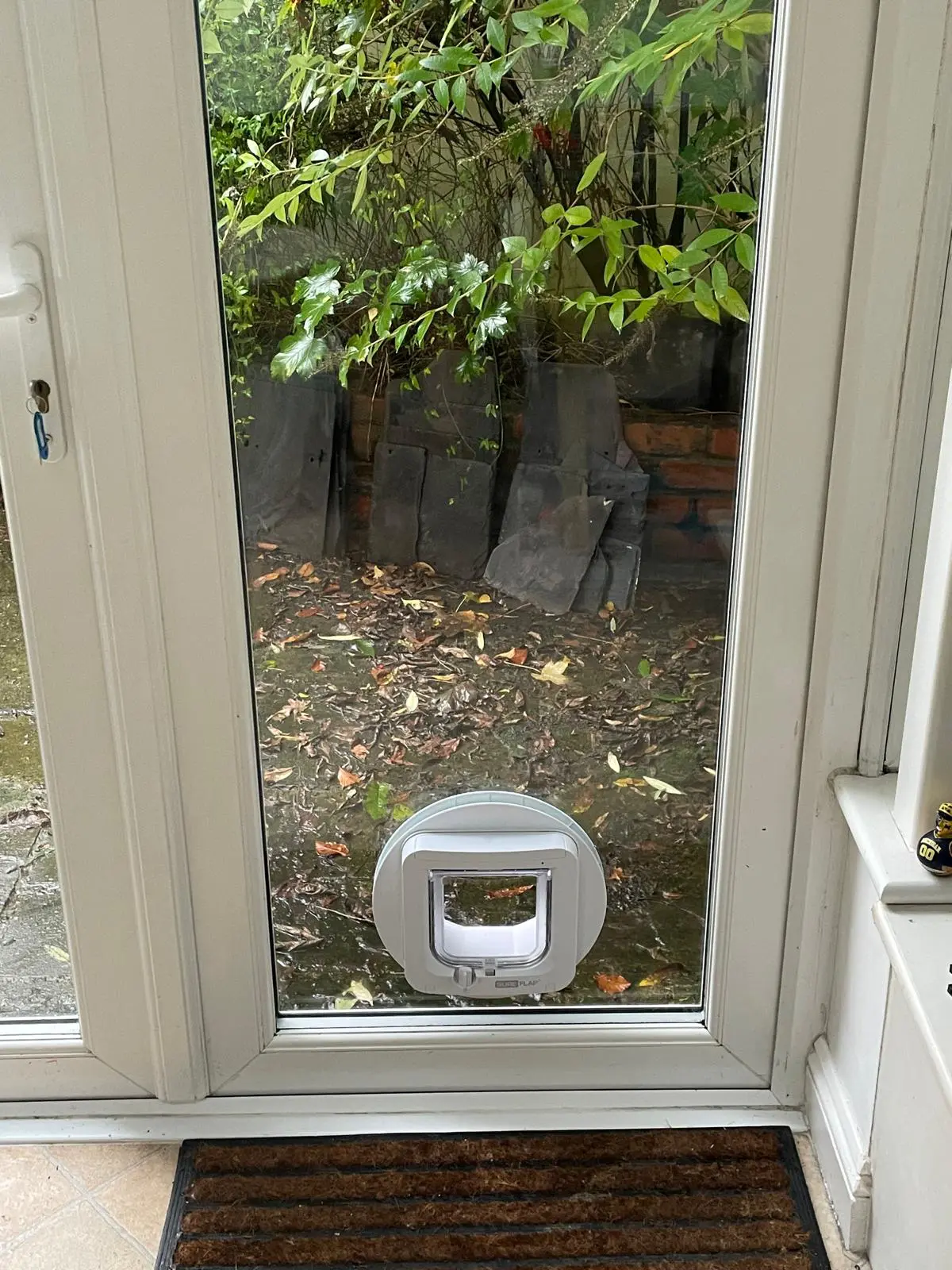
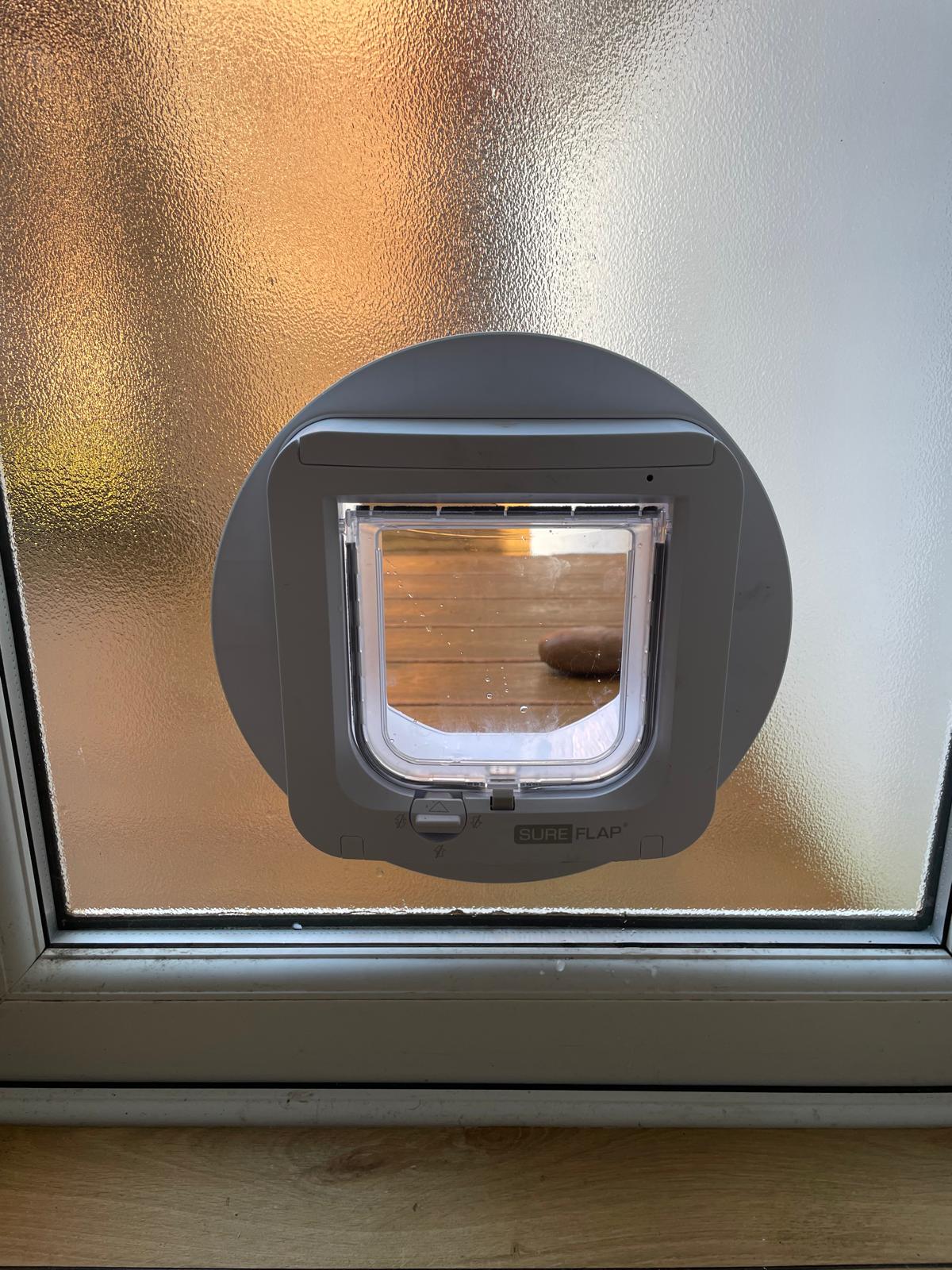
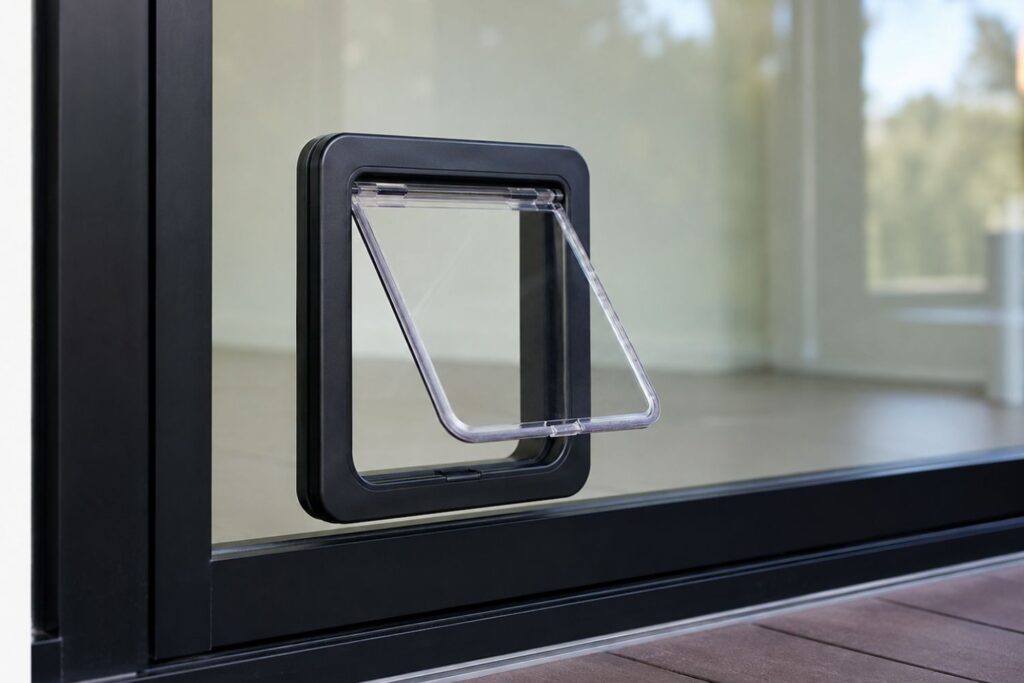
Glass installations require a completely different approach. Double-glazed units are sealed systems that cannot be cut after manufacturing. Instead, a new panel must be created with a pre-cut opening. This process requires accurate measurements and professional handling to maintain insulation and safety.
Cavity Walls
Installing a cat flap through a wall involves additional complexity. There may be hidden pipes, wiring, or insulation layers that need to be considered. Proper lining and sealing are essential to prevent moisture and air leakage.
DIY vs Professional Installation: Real Differences
- DIY relies on general tools and assumptions, while professional installation uses precise measurement and material-specific techniques
- DIY carries a higher risk of damage, especially with uPVC and glass, while professionals minimize structural risk
- DIY installations often compromise insulation, while professional fitting ensures proper sealing and energy efficiency
- DIY may appear cheaper upfront, but professional installation reduces long-term repair and replacement costs
Hidden Risks Most Homeowners Overlook
Many issues only become visible after installation, which is why they are often underestimated during decision-making.
- Breaking the seal of double glazing, leading to condensation between panes
- Creating small gaps that allow drafts and increase heating costs
- Weakening door panels or frames through incorrect cutting
- Poor alignment causes the flap to stick or wear out quickly
- Security concerns due to incorrect placement or low-quality fitting
Glass and Double Glazing: The Biggest Misconception
One of the most common misconceptions is that you can simply cut a hole in existing glass. This is not how double glazing works. The glass is toughened and sealed during manufacturing, which means any attempt to cut it afterward will break the unit and destroy its insulating properties.
The correct method involves measuring the existing panel, ordering a new sealed unit with a pre-cut opening, and installing it properly. This process ensures that insulation, safety, and durability are preserved.
This is one area where DIY attempts often become more expensive than professional installation because mistakes lead to full panel replacement.
Cost Comparison: DIY vs Hiring an Installer
When comparing costs, it is important to look beyond the initial price.
- DIY costs include tools, materials, sealants, and time investment
- Mistakes in DIY can lead to repairs, replacements, or energy loss over time
- Professional installation includes labor, expertise, correct fitting, and often a guarantee
- Higher upfront cost for professionals is balanced by reduced maintenance and longer lifespan
If you want a detailed breakdown of pricing, factors that affect costs, and what to expect, check out our guide on Cat Flap Installation Cost UK, which explains everything in more detail.
When DIY Can Work
- Basic installations in standard wooden doors where no structural complexity is involved
- Situations where the homeowner has experience with precise cutting and fitting
- Low-risk environments where insulation and security are not major concerns
When You Should Hire a Professional
- Installing into double glazing or any type of glass panel
- Working with reinforced uPVC or composite doors
- Fitting advanced systems such as microchip cat flaps
- Installing through cavity walls or insulated structures
- Situations where long-term durability and clean finish matter
Expert Installer Insight
From a professional perspective, most corrective jobs come from poor DIY attempts. Common issues include uneven cuts, poor sealing, and incorrect positioning. These problems often require more work to fix than the original installation would have required.
Professionals approach installation with a structured process. They assess the material, plan the positioning, use specialized tools, and ensure proper sealing. This reduces risk and ensures consistent performance over time.
Another overlooked factor is how the cat interacts with the flap. Proper placement improves usability and reduces stress on hinges and components, which directly impacts durability.
Final Thoughts
The decision between a professional cat flap installer vs DIY is not simply about cost. It is about choosing between a quick solution and a reliable one. While DIY may work in limited situations, it often falls short when dealing with modern doors, glass, or insulation-sensitive environments. Professional installation ensures precision, protects your home’s structure, and delivers long-term performance that justifies the investment.
Request Your Free Quote Today
If you need a professional cat flap installer for glass, doors or panels, we are ready to help. We provide dependable pet flap installation with quality workmanship and friendly local service.
Call Now For A Free QuoteFAQs
Can I install a cat flap myself without damaging my door?
You can install a cat flap yourself if you are working with a simple wooden door and have experience with accurate cutting and sealing. However, for uPVC, composite doors, or glass, the risk of damage increases significantly without proper tools and knowledge.
Does installing a cat flap affect home insulation?
Yes, installation quality directly affects insulation. Poorly fitted flaps can create gaps that allow cold air and moisture to enter. High-quality installation ensures proper sealing, which helps maintain indoor temperature and energy efficiency.
How long does professional cat flap installation take?
For standard door installations, it can take around one to two hours. Glass installations take longer because they involve measuring, ordering a custom panel, and then fitting it once it is ready.
What happens if a cat flap is installed incorrectly?
Incorrect installation can lead to drafts, water leaks, structural damage, and reduced lifespan of both the flap and the door. In glass installations, it can also result in the complete failure of the sealed unit.
Is professional installation worth it for microchip cat flaps?
Yes, because these systems require precise fitting to function correctly. Incorrect installation can affect sensor alignment and overall performance, reducing their effectiveness.